
Ensuring Fire Safety in Alberta Business Premises: A Comprehensive Guide
Fire safety is a critical responsibility for business owners in Alberta. Beyond the immediate protection of employees, customers, and assets, adhering to fire code regulations also ensures legal compliance. Among the most vital requirements is determining the correct number of fire extinguishers for a particular commercial or industrial property. Although it may seem straightforward at first, the Alberta Fire Code outlines several factors that influence how many extinguishers you need on site. From the size and layout of your building to the nature of your daily operations, these variables ensure comprehensive fire protection that is tailored to the unique risks and needs of your space.
This guide explores the fundamental considerations when deciding how many fire extinguishers are required for a business premises in Alberta. We will cover Alberta Fire Code guidelines, placement strategies, the impact of business classification, and the significance of routine maintenance. By following these best practices, you can keep your facilities compliant, your personnel safe, and your operations better protected from fire emergencies.
Understanding the Alberta Fire Code
The Alberta Fire Code provides minimum standards for fire safety measures, covering everything from fire extinguisher types to inspection intervals. The code mandates that every business premises in Alberta have at least one fire extinguisher, but the precise number needed depends on specific risk factors. This can include your building’s square footage, occupant load, nature of business, and any special hazards present. The aim is to ensure that extinguishers are readily accessible so a minor incident does not escalate into a more significant emergency.
Because the code may be updated periodically, it is important to stay current with any new requirements issued by local authorities. When in doubt, consult official documentation or speak with a certified fire safety professional for clarity. By prioritizing code compliance, you protect your business and demonstrate a commitment to safeguarding your employees and local community.
Key Factors Determining the Number of Fire Extinguishers
Determining how many extinguishers your business needs involves much more than simply installing one device per floor. For comprehensive coverage, the Alberta Fire Code and general fire safety best practices point to the following primary factors:
- Building Size and Layout: Larger facilities require additional extinguishers to ensure coverage throughout. Hallways, corridors, and large open areas each warrant short travel distances, typically no more than 75 feet to the nearest unit, although specifics vary by extinguisher type and hazard level.
- Occupancy and Staff: The number of people in your workplace is crucial for fire safety planning. If many individuals are on site, you may need additional extinguishers to ensure everyone has nearby access in the event of an emergency.
- Type of Business Operations: Businesses that handle flammable liquids, chemicals, or high-voltage equipment often need specialized and more numerous extinguishers. In contrast, low-risk office environments with minimal combustibles can meet requirements with a smaller number of multipurpose extinguishers.
- Hazard Level of Specific Areas: Even within a single business, hazards can vary. A warehouse storing flammable materials has a higher risk area than a typical administrative section. Each zone’s hazard classification can influence the number and type of units necessary.
By evaluating these elements comprehensively, building owners and facility managers can ensure that the correct quantity of extinguishers is always on hand. Whether you run a small store or manage a sprawling industrial complex, understanding these nuances of the Alberta Fire Code helps you make informed decisions.
The Distribution and Placement of Fire Extinguishers
The Alberta Fire Code emphasizes not only how many extinguishers you have, but also where you place them. Proper distribution helps employees and visitors access an extinguisher quickly and easily during a crisis. Key recommendations include:
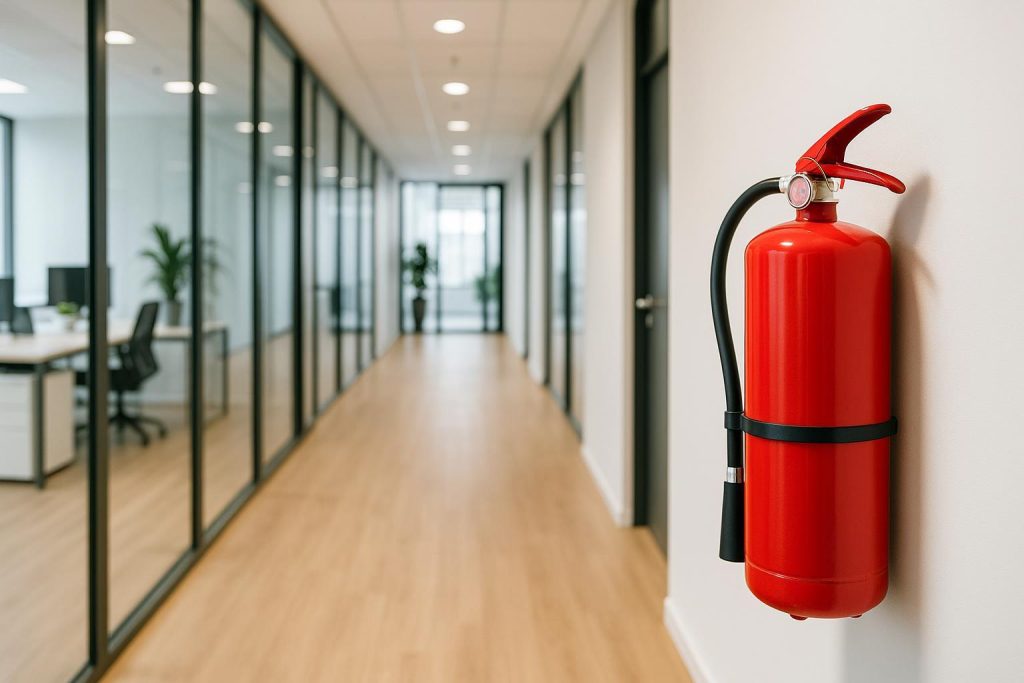
- Visible Mounting: Install extinguishers in clear view, ideally secured on brackets or inside conspicuous cabinets, so people can easily spot and grab them if flames or smoke appear.
- Accessible Locations: Place extinguishers near exits and along primary escape routes. In high-hazard areas, such as spaces where electrical panels or flammable materials are present, keep these devices readily available.
- Height Guidelines: While building codes can vary, the typical recommendation is to mount the unit’s handle about four feet above the floor for easy access.
- Avoiding Obstructions: Ensure items such as office furniture, inventory pallets, or signage do not block an extinguisher. If it cannot be seen at a distance, use signage indicating the location.
These placement tips help ensure that extinguishers are well-positioned to address a variety of fire risks throughout your premises. A focus on strategic positioning is crucial because quicker response times often result in more effective damage control and safer evacuations.
Selecting the Right Types of Fire Extinguishers
Fire extinguishers vary in the types of fires they can safely combat. The Alberta Fire Code typically references standards that categorize extinguishers as A, B, C, D, or K, indicating what type of fire they are designed to extinguish. For example, a Class A extinguisher targets combustibles like wood or paper, while Class B tackles flammable liquid fires such as gasoline or oil. If electrical equipment is involved, Class C extinguishers contain non-conductive agents. Kitchen or cooking fires often require Class K extinguishers using wet chemical agents.
Many business settings benefit from multipurpose (ABC) extinguishers capable of addressing several fire types. However, facilities storing large quantities of flammable liquids, industrial chemicals, or specialized electrical equipment may need additional units that offer more targeted resistance. By matching the extinguisher type to common hazards in your workspace, you can avoid accidents and ensure a rapid, effective response.
To explore the various types of fire extinguishers offered, visit our Fire Extinguishers page. Our certified technicians can help you ascertain the most appropriate devices for specific areas within your facility.
Importance of Regular Maintenance and Inspections
Having the correct number and type of extinguishers is vital, but maintaining them in proper working order is equally important. An improperly charged or damaged extinguisher might fail when needed most. The Alberta Fire Code typically requires regular visual inspections to ensure extinguishers remain intact, properly pressurized, and unobstructed. In many cases, annual professional inspections are advised, while some extinguisher classes may require hydrostatic testing every few years depending on local regulations.
Key elements of an effective maintenance program include:
- Monthly Visual Checks:Look for obvious damage, ensure pressure gauges indicate the correct range, and confirm the extinguisher is easily accessible.
- Professional Annual Inspections: A certified fire protection specialist can check internal components, weight, seals, and cylinders. This helps guarantee your extinguishers meet code requirements.
- Prompt Recharge or Replacement: If used even briefly, an extinguisher must be recharged to its initial capacity. Damaged or corrosive units should be replaced immediately to maintain safety.
By following these steps, your fire extinguishers remain ready for use at a moment’s notice. Effective maintenance upholds compliance and, more importantly, assures that you have functional, reliable tools to combat a sudden flame.
How Building Type and Business Classification Affect Extinguisher Needs
Every business faces distinct fire risks. For instance, restaurants require wet chemical extinguishers near cooking areas to tackle grease fires. A manufacturing plant might house flammable liquids or pressurized gases that necessitate specialty Class B or Class D units. Office complexes with standard electronics often rely on multipurpose extinguishers suitable for Class A, B, and C fires.
By reviewing the types of hazards associated with your business classification, you can better anticipate the number and type of extinguishers needed. For high-hazard environments, additional units may be mandated for each zone. Even lower-risk businesses can benefit from additional protection if the workspace is large or split into multiple departments.
Common Mistakes to Avoid
While most Alberta business owners strive to keep their facilities safe, a few pitfalls can jeopardize readiness in an emergency. Avoid these common mistakes:
- Installing Too Few Units: Relying on a single extinguisher in a large property leaves some areas vulnerable. Always ensure enough coverage to minimize travel distances to extinguishers.
- Incorrect Extinguisher Classification: Using a Class A extinguisher for an electrical fire can create additional hazards. Make sure each unit is suitable for the environment.
- Lack of Employee Training: Even the best extinguisher is ineffective if no one knows how to use it properly. Provide hands-on training so staff feel comfortable operating these devices during emergencies.
- Neglecting Maintenance: Allowing extinguishers to remain unchecked for years can compromise their functionality. Regular inspections verify reliability and code compliance.
By addressing these potential missteps, you pave the way for a more robust fire protection plan that meets legal and ethical obligations.
Beyond Extinguishers: Additional Fire Safety Measures
While extinguishers play a pivotal role, a complete fire safety strategy often includes additional systems and services. Consider integrating the following, depending on your building’s size and risk profile:
- Fire Alarm Systems: Early detection is key to safe evacuation. Professionally installed and maintained alarm systems help alert occupants quickly. For more details, see our Fire Alarm Systems page.
- Fire Sprinklers: Automatic sprinkler systems help suppress flames before they get out of control. Strategic sprinkler placement can prevent fire from spreading extensively in larger areas. Learn more about our Fire Sprinklers solutions.
- Fire Suppression Systems: High-risk environments may require specialized agents and custom-engineered solutions. Visit our Fire Suppression Services page for more information.
- System Inspections and Maintenance: Scheduling regular inspections ensures your safety equipment remains code-compliant and ready for operation.
Treating extinguishers as part of a broader life safety network strengthens your overall readiness and reduces potential liabilities.
Consulting a Certified Fire Safety Professional
Determining the right number and types of fire extinguishers for your Alberta-based business can feel overwhelming, especially if your operations involve unique hazards or an extensive floor plan. Consulting a certified fire safety professional is a proactive approach that helps ensure no crucial details are overlooked. Skilled technicians can conduct a needs assessment, taking into account your building’s design, occupancy, and specific fire risks.
By tapping into industry expertise, you also receive guidance on optimal placement, compliance requirements, and employee training. Many times, an on-site consultation reveals important insights you might have missed—ranging from overlooked storage areas to specialty hazards that need targeted extinguishing agents. A professional can recommend whether you need additional protection, such as Fire Alarm System Monitoring or specialized Fire Suppression Services.
Furthermore, working with a reputable provider often includes 24/7 support, so you never have to face a fire emergency alone. Comprehensive fire protection services can give you peace of mind that your extinguishers, alarms, sprinklers, and suppression systems aren’t just code-compliant, but also ready to handle real-world emergencies.
Coverage Across Alberta
Businesses throughout Alberta—from Edmonton to Sherwood Park, St. Albert, Spruce Grove, Fort Saskatchewan, and Leduc—stand to benefit from a well-rounded fire protection plan. Each locality may have additional regulations or considerations, making it vital to partner with a company knowledgeable about local fire codes. By customizing solutions to your specific area, you ensure that your property remains protected while meeting any city or town-specific provisions.
Optimizing Employee Preparedness
Even the most advanced extinguishers and safety systems can prove insufficient if employees lack basic fire safety knowledge. To maximize readiness, aim to:
- Provide Hands-On Training: Teach staff how to properly operate fire extinguishers using the P.A.S.S. method (Pull, Aim, Squeeze, and Sweep). This firsthand experience helps reduce panic and fosters quick, confident action.
- Develop an Evacuation Plan: Ensure everyone knows exit routes, designated assembly points, and assigned responsibilities (if any) in the event of a fire alarm.
- Conduct Fire Drills: Periodic drills not only reinforce knowledge but also identify weak points in evacuation procedures that you can then address.
- Distribute Informational Material: Post instructions near extinguishers and send routine reminders about protocols for reporting fires and alerting emergency services.
When employees understand how to respond to fires, they become active participants in your overall safety plan.
Conclusion: A Safer Workplace Through Proactive Measures
Ensuring you have the proper number of fire extinguishers in your business premises in Alberta is more than a regulatory requirement—it’s a proactive measure that saves lives, protects assets, and underscores your dedication to safety. By reviewing the Alberta Fire Code guidelines, assessing your facility’s specific hazards, and incorporating routine maintenance, you create a robust line of defense against fire incidents. The result is a safer environment, peace of mind, and long-term resilience in the face of unexpected challenges.
To learn more about how Advanced Fire Protection Services can help your organization remain compliant and well-prepared, visit our Home page or Contact us directly. Our certified technicians and 24/7 emergency fire services ensure you have the resources, expertise, and support necessary to protect employees, customers, and your livelihood. Whether you need a thorough inspection, a custom system design, or guidance on selecting the right extinguishers, our team is here to help you uphold the strictest standards of fire safety across Alberta.
