
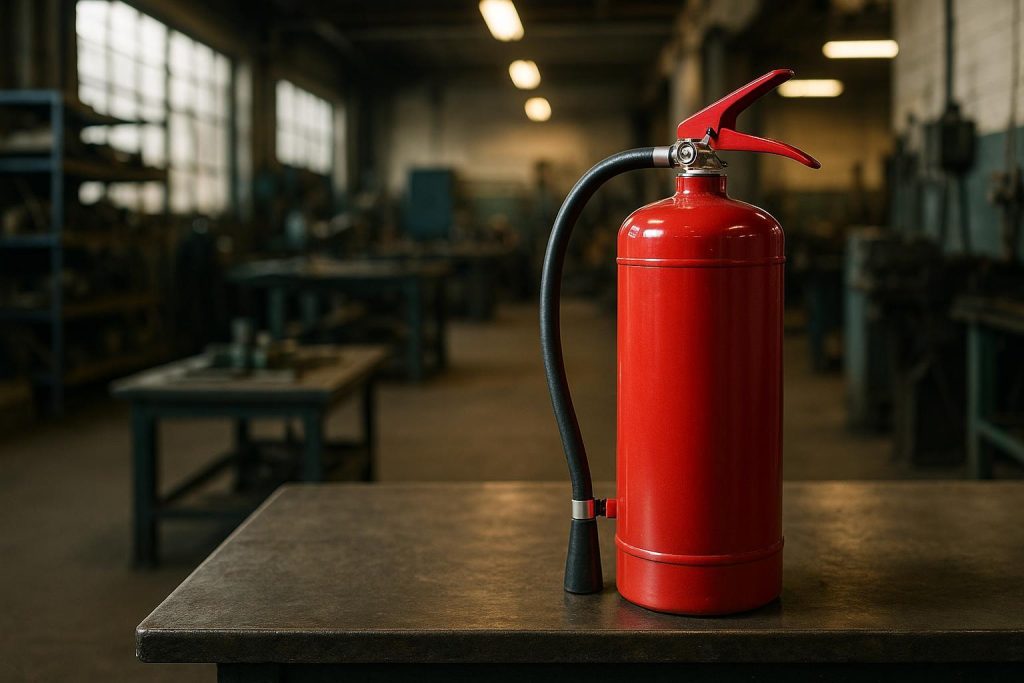
Understanding the Dangers of Overcharging a Fire Extinguisher
Fire extinguishers are a critical component of life safety systems and a vital line of defense against unexpected fires. When maintained properly and kept in a code-compliant condition, they help minimize damage and reduce the risk of injuries. One essential aspect of fire extinguisher upkeep is recharging, which ensures your extinguisher contains the proper amount of pressurized agent to fight a fire effectively. However, there is a potential risk of overcharging during this process if it is not handled carefully.
In this detailed guide, we will explore what overcharging a fire extinguisher really means, the risks involved, and how to ensure you avoid them through proper handling and regular system inspections and maintenance. We will also highlight some of the best practices for anyone looking to keep their fire protection services fully reliable and compliant, whether you’re a commercial property owner, a facility manager, or a homeowner concerned about emergency fire services. Throughout, you’ll find clear guidance rooted in industry best practices to help you enhance the safety of your property.
What Does “Overcharging” a Fire Extinguisher Mean?
When a fire extinguisher is charged, a pressurized agent is added to it so it can discharge effectively in an emergency. If you look at any standard unit, you will notice a pressure gauge on the extinguisher’s head. This gauge indicates whether the extinguisher’s internal pressure is in the correct range. “Overcharging” refers to a situation in which the extinguisher’s internal pressure exceeds the safe or recommended level indicated on this gauge. In practical terms, the needle on the gauge may swing into the “overcharged” or “red” zone, signaling an unsafe condition.
Overcharging is dangerous because a fire extinguisher has specific design limits. Exceeding those limits can compromise the extinguisher’s overall integrity; in extreme cases, it may even rupture or burst under excessive pressure. Since fire extinguishers typically rely on materials such as steel or aluminum cylinders, they are engineered to handle a specific range of pressures. Once you exceed that range, you increase the likelihood of weakening the casing or other internal components. This can lead to sudden failures during use—or worse, unexpected discharges and malfunctions when no one is prepared.
Why Does Overcharging Occur?
Overcharging most often occurs during amateur recharging attempts. When people recharge a fire extinguisher without proper training or fail to use the right equipment and techniques, they can inadvertently pump in more pressurized agent than the cylinder is designed to hold. Additionally, failing to monitor the pressure gauge or ignoring the manufacturer’s specifications for a particular extinguisher type can result in going beyond the recommended limit. For instance, dry chemical extinguishers have a different pressure rating than CO2 or water-based units; mixing them up or not paying attention to these differences can lead to errors.
Moreover, improper handling, such as force-loading an extinguisher with compressed gas or skipping critical inspections, can also bring the extinguisher into the overcharge zone. This is why collaboration with certified technicians who are knowledgeable about fire alarm and suppression systems is essential. Professionals incorporate standardized procedures every step of the way to make sure that when an extinguisher is filled, it is neither under-pressurized nor over-pressurized, ensuring peak performance and the highest safety standards.
Potential Hazards of an Overcharged Fire Extinguisher
Overcharging a fire extinguisher can have several serious consequences, each with the potential to compromise safety.
- Explosion or Cylinder Rupture: While rare, the possibility of a catastrophic failure cannot be overlooked. An overpressurized extinguisher might rupture, causing potentially serious injuries and property damage.
- Malfunction During a Fire: In an emergency, you depend on your extinguisher to work correctly. An overcharged unit may fail to discharge properly, delivering insufficient or inconsistent pressure to douse the flames.
- Gradual Damage to Components: Even if an overchargederupture does not occur immediately, excessive pressure can weaken the inner walls and seals of the tank over time. This can lead to hidden issues that remain undetected until an emergency arises.
- Lost Certification or Code-Compliance Violations: Building codes often require that extinguishers display a gauge reading within the “green” (acceptable) pressure zone. Overcharging can result in a non-compliant extinguisher, placing you at risk of failing safety inspections.
By understanding these hazards, you will recognize just how significant the problem of overcharging can be—especially in environments where safety is paramount, such as commercial facilities, healthcare institutions, educational campuses, and industrial settings.
How Qualified Professionals Prevent Overcharging
One of the most important ways to avoid overcharging is to rely on qualified professionals who follow industry best practices and manufacturer guidelines for fire extinguisher recharging. Certified technicians use specialized equipment to measure and control the exact amount of pressure released into the extinguisher. Their training also helps them identify different types of extinguishers—whether it’s a Class A water-based model, a Class B CO2 unit, or a versatile Class ABC dry chemical extinguisher—and adjust the recharging process accordingly.
Professionals also inspect related components—like the extinguisher’s hose, nozzle, and valve assembly—to check for wear and tear, clogs, or other damage that could compromise performance. A comprehensive evaluation and a consistent approach play vital roles in ensuring each unit remains in the optimal pressure range. In many jurisdictions, certain recharging procedures must also be documented as part of ongoing fire protection services to confirm the system meets regulatory requirements. This adds an extra layer of accountability, guaranteeing that your building’s life safety systems remain code-compliant.
Organizations such as the National Fire Protection Association (NFPA) provide guidelines and standards for the care, usage, and recharging of extinguishers. Licensed professionals keep up with these standards, making sure they meet evolving fire safety regulations. If your extinguishers are past due for a recharge or you’re not entirely sure when they were last inspected, reaching out to a recognized fire protection company ensures that you’re on track to meet both safety and legal requirements.
Step-by-Step Recharge Process
To avoid overcharging, technicians typically follow a documented, step-by-step process:
- Inspection: Before any recharging is done, the extinguisher is visually inspected for signs of leaks, corrosion, or physical damage. The technician verifies that the cylinder is structurally sound.
- Discharge and Depressurization: The extinguisher is fully discharged to remove any residual pressure. This ensures an accurate refill and helps detect hidden leaks or other damage.
- Agent Replacement or Refilling: Depending on the type of extinguisher, either the agent is replaced, or the cylinder is refilled. For instance, a dry chemical extinguisher might be replenished with the correct type of powder, while a CO2 unit receives a fresh charge of carbon dioxide.
- Pressurization: Using specific pressurizing equipment, the technician carefully pressurizes the unit with the recommended propellant (commonly nitrogen). This step is monitored closely, watching the pressure gauge to keep the reading within the designated safe zone.
- Leak Check: The extinguisher is checked for leaks around the valve, hose, and seals. If any leaks are found, the technician addresses them and re-checks the gauge.
- New Tamper Seal and Tag: Once the extinguisher is correctly charged, a new seal is placed, and a tag or label is affixed, indicating the date of the recharge and the technician’s certification details. This labeling helps track future maintenance and ensures clear documentation for code compliance checks.
When to Recharge and When to Replace
Although the primary concern here is overcharging, it’s also helpful to understand when an extinguisher can be safely recharged versus when it should be replaced. Typically, if the cylinder itself is severely corroded, dented, or otherwise compromised, a replacement may be necessary. Studies show that recharging damaged cylinders can be risky, as hidden structural weaknesses may lead to possible failures down the line. Certified technicians can advise you if your extinguisher is a suitable candidate for recharging or if it’s time to retire it and purchase a new one.
In addition, keep an eye on the extinguisher’s age. Many experts recommend that older extinguishers (such as those nearing 12 years or beyond) undergo a hydrostatic test or deeper inspection to confirm they can maintain pressure without compromise. If any signs of internal corrosion are discovered during these tests, replacement is often the safest route.
Best Practices to Avoid Overcharging
A few clear steps help ensure you never deal with an overcharged fire extinguisher:
- Schedule Routine Inspections: Regularly check the pressure gauge on your extinguishers—some businesses do so monthly. During a thorough inspection, look for rust, dents, or other signs of external damage.
- Engage Experienced Technicians: Whenever your extinguisher needs recharging, trust licensed or certified professionals. Their experience and tools are designed to help avoid mistakes like overcharging.
- Track Maintenance Dates: Keep a log of all recharges, hydrostatic tests, or replacements, along with the pertinent dates. Having accurate records makes it easier to stay code-compliant and ensures no steps are missed between service intervals.
- Use the Right Products and Procedures: Always follow the manufacturer’s recommendations for both the extinguisher type (dry chemical, water-based, foam, CO2, etc.) and recharging procedures. Not all extinguishers require the same refill processes or the same pressurizing agents.
- Avoid DIY Approaches: While it might be tempting to save money by recharging extinguishers on your own, the risks are high. Specialized equipment and knowledge are required to do this safely. The cost savings of a DIY method seldom outweigh the potential hazards.
The Role of Fire Extinguisher Services in Comprehensive Fire Protection
Fire extinguisher maintenance is only one piece of a broader safety ecosystem. In many commercial or industrial settings, you will find robust fire alarm and suppression systems, fire sprinkler networks, and other life safety system components like emergency and exit lighting. Each system is interconnected in the sense that if one fails, the others must operate flawlessly to ensure occupant safety. For this reason, it is wise to adopt a holistic approach to fire protection services.
For instance, a property that regularly maintains its fire extinguishers is also likely to schedule timely inspections of its fire alarms, sprinklers, and related assets. Doing so means less chance of discovering problems when it’s too late. Furthermore, staying engaged with knowledgeable professionals ensures that all systems remain in sync with local regulations and industry best practices, which helps avoid costly fines and downtime.
If you are located in an area where a trusted provider offers services for different fire safety needs—like Fire Extinguishers, sprinkler installations, or alarm system monitoring—it can be advantageous to rely on a single resource for all these services. By consolidating your needs, you streamline communication, scheduling, and accountability. With a single team managing your fire extinguisher recharges and other checks, you have greater confidence that no detail goes unnoticed.
Indicators That Your Extinguisher May Be Overcharged
Even if you follow standard maintenance procedures, it’s important to know how to recognize the warning signs. Here are some indicators your extinguisher might be in the overcharged category:
- The Pressure Gauge in the Red Zone: If you see the needle well above the green zone, the extinguisher is overcharged to some degree. Contact a professional for immediate evaluation.
- Unusual Distortion of the Cylinder or Valve: Over-pressurization sometimes causes bulges or other visible deformities in the cylinder assembly. These distortions are a potential red flag, suggesting the extinguisher may be unsafe to keep around.
- Unexplained Leakage of Agent: If you notice that some extinguishing agent has seeped out around the seals or near the nozzle, it might be due to internal pressure forcing it out.
If any of these symptoms appear, do not attempt to fix them personally. Contacting a certified fire extinguisher technician or a fire protection services provider is the safest course of action.
Ensuring Your Property Stays Prepared
Because the risks associated with overcharging can be serious, it’s essential to adopt a proactive stance on fire extinguisher care. Besides avoiding overcharging, remember these key points:
- Know Your Fire Extinguisher Types: Different types of fires call for different types of extinguishers. Make sure you have the correct class of extinguisher (or a multipurpose ABC unit) for the typical hazards in your environment.
- Learn Basic Operation: Teach employees or building occupants how to use an extinguisher using the PASS (Pull, Aim, Squeeze, Sweep) technique. Proper training can stop a small fire from escalating into a crisis.
- Check Expiration Dates & Inspection Tags: Fire extinguishers carry manufacturer dating or service tags that show the last time they were inspected or recharged. Stay vigilant about these timelines to avoid lapses that lead to compromised performance.
- Incorporate Periodic Drills: Conduct fire drills or simulated emergencies to test your overall readiness. This helps confirm that your extinguishers are easily accessible, staff members know where they are located, and your building’s emergency fire services plan functions seamlessly.
Final Thoughts
Fire extinguisher recharging is a critical process in keeping your premises safe, but it must be executed correctly to avoid the pitfalls of overcharging. Too much pressure within the cylinder can cause mechanical failures, leave you with a malfunctioning extinguisher when you need it most, or—though uncommon—lead to an explosion hazard. These scenarios underscore why relying on certified technicians, who use the proper equipment and strictly adhere to industry and manufacturer standards, is so valuable.
For commercial and industrial property owners who are juggling multiple life safety systems, regular maintenance should be part of a broader code-compliant strategy. By scheduling routine inspections of all your fire protection services—extinguishers, sprinklers, alarms, and more—you ensure that each element functions optimally and meets regulatory requirements. This not only safeguards your personnel and assets but also provides peace of mind, knowing you’re prepared for unexpected emergencies. When your facility is protected by properly serviced, correctly charged extinguishers, you’re significantly increasing the odds of containing a small incident before it grows into a major life safety challenge.
If you suspect that a fire extinguisher in your building has been overcharged or if you want to confirm its current condition, the wisest decision is to consult a licensed professional. A thorough assessment, accompanied by the correct recharging procedures, will extend your fire extinguisher’s service life and maintain its reliability. Ultimately, taking these extra steps in maintenance and care helps you stay compliant while giving you greater confidence in your fire safety readiness every day.
