
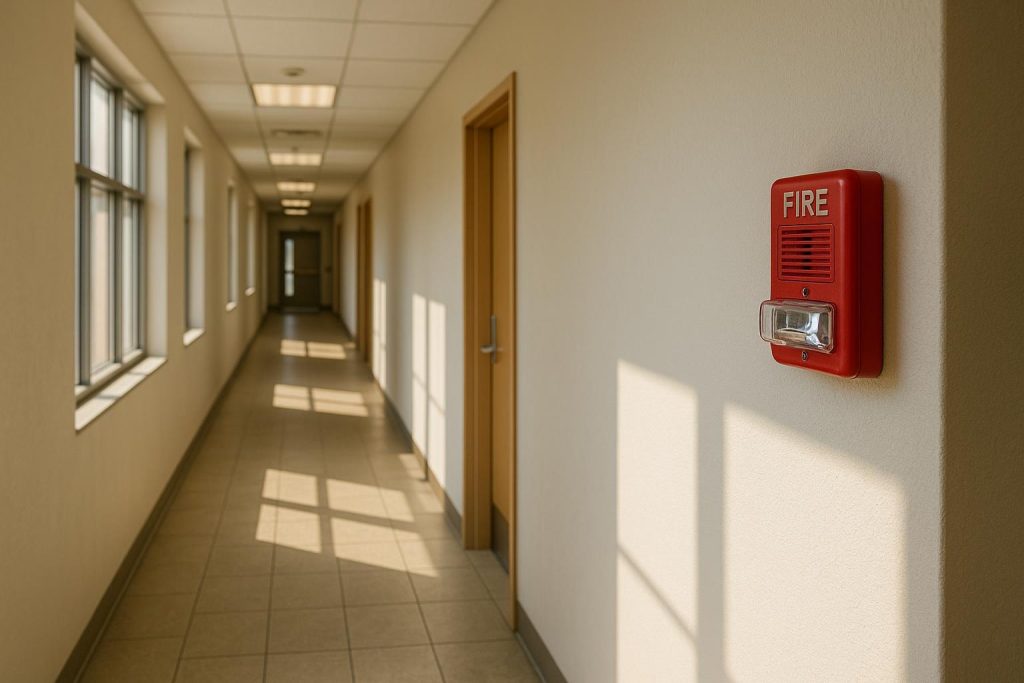
Understanding Fire Alarm Loudness and Triggers
Fire alarms play a critical role in safeguarding lives and property, acting as an immediate warning system when a fire or related emergency is detected. To serve this purpose effectively, a fire alarm must be loud enough to get people’s attention, even when they’re engaged in everyday activities or sleeping. Decibel levels, placement of alarms, and compliance with local fire codes are all important factors when determining how loud your fire alarm should be. In addition, understanding what triggers a fire alarm can help property owners and facility managers maintain a well-functioning system. This comprehensive guide explores recommended decibel levels, best practices for code compliance, types of fire alarm triggers, and tips on maintaining your complete fire protection system so that everyone stays safe.
Why Alarm Loudness Matters
Loudness is measured in decibels (dB). The higher the decibel level, the louder the sound. When a fire alarm activates, it needs to cut through background noise, wake sleeping occupants, and ensure that everyone in the building knows to evacuate as soon as possible. If an alarm is too quiet, individuals might not hear it in time, which can lead to confusion or delayed evacuations. Even busy areas with high ambient noise—like commercial kitchens or manufacturing spaces—require a sufficiently loud alarm to be effective. In these scenarios, sometimes alarm sound levels exceeding 100 dB may be necessary to overpower the machinery or other high-volume processes taking place.
Recommended Decibel Levels for Residential and Commercial Spaces
Different settings have their own recommended or legally mandated decibel requirements:
- Residential Properties: Many local regulations recommend that alarms provide at least 85 dB at a distance of 10 feet. These guidelines ensure that even if a person is asleep or in another room, the alarm is disruptive enough to wake them.
- Commercial Buildings: In offices, retail shops, restaurants, or industrial facilities, recommended audio levels can be in the range of 75–85 dB at ear level. The space’s layout and ambient noise level influence the final specification. If a workspace has loud machinery, additional measures such as strobe lights or higher decibel alarms may be required.
- High Ambient Noise Environments: Certain industrial and manufacturing facilities can have ongoing noise levels that are already 85 dB or above. In these areas, specialized fire alarms may be needed. Alarm signals can reach 100 dB or more to guarantee that workers and visitors can immediately recognize an alert.
In all these cases, it is vital to remember that the exact requirements vary depending on local building codes and standards. Some municipal authorities have specific laws that establish minimum and maximum permissible decibel levels for life safety systems. To avoid confusion, property owners are encouraged to consult fire protection professionals or certified technicians with experience designing code-compliant solutions.
Meeting Code Requirements
Compliance with local regulations and fire codes is mandatory for both residential and commercial properties. Code-compliant alarms and signaling devices not only help in an emergency, but they also protect building owners from legal liabilities. Usually, fire code regulations will specify:
- Required Decibel Levels: The exact decibel range that must be met in each room or area.
- Installation Locations: How many alarms or notification appliances you need and where to place them. For instance, codes may require alarms in each bedroom, hallway, or near specific types of equipment.
- Visual Notification: Strobe lights or other visual signals needed to alert occupants who might be hearing-impaired or in loud environments.
- Testing Schedules: Timelines for regular system inspections and maintenance to ensure ongoing compliance.
Working with a knowledgeable fire protection services provider who understands local and national standards can simplify the entire process. If your facility is in one of the Alberta service areas—such as Edmonton—you’ll want to use a partner who is familiar with provincial and municipal fire codes. Consulting with such experts ensures your fire alarm system remains effective at all times.
What Triggers a Fire Alarm?
An alarm’s effectiveness also depends on the methods it uses to detect a fire or other hazard. Different types of detection systems are designed to sense specific types of dangers. While some alarms rely on manual pull stations, others activate automatically upon detecting smoke, heat, flames, or gas leaks. Here are the most common triggers for fire alarms:
- Smoke Detection: Smoke detectors sense the presence of smoke particles in the air. When smoke levels surpass a set threshold, the alarm activates. This early detection is particularly useful for catching slow-burning or smoldering fires, buying occupants valuable time to evacuate.
- Heat Detection: Heat detectors respond to a rapid rise in temperature or a specific temperature threshold. These detectors can be found in kitchens, boiler rooms, and other spaces where smoke may be present in small amounts during normal operations. Heat detection is an important alternative when false alarms from minor smoke or steam must be minimized.
- Flame Detection: Some systems incorporate flame detectors that can sense the wavelength of light produced by open flames. These devices are common in areas dealing with highly combustible materials and where a rapidly spreading fire is a risk.
- Manual Activation: Manual pull stations or buttons let occupants trigger the alarm if they witness a fire or suspect one is present. These are placed in strategic locations, allowing anyone to sound the alarm at the first sign of danger if an automatic detector has not yet picked it up.
- Sprinkler System Activation: Many sprinkler systems include sensors that, when activated by heat or direct flame contact, release water in the localized area. The water flow can trigger a signal within the building’s fire alarm system, alerting occupants that a sprinkler has been activated.
- Gas Detection: In facilities that use or store flammable gases, specialized detectors may sound the alarm if a gas leak or unsafe concentration of gases is detected. Early notification prevents explosions or other hazards.
Recognizing these triggers helps property managers and building occupants respond quickly. If multiple alarm types are in use—like smoke and heat detection—there can be layers of protection. That layered approach ensures an issue is caught regardless of how it begins.
The Importance of Visual Alarms and Combined Systems
In addition to noise output, many modern alarm systems add visual notification for individuals who are hearing-impaired or for areas where loud machinery is in operation. This combination of auditory and visual signals significantly boosts the system’s overall effectiveness. It also supports compliance with fire codes that require accessibility for all occupants.
Common visual alert devices include strobes, flashing lights, or LED-based indicators. They’re often placed in hallways and larger open areas, ensuring they are highly visible even if someone is wearing hearing protection or has reduced hearing ability. Visual alarms lower the risk of anyone missing the alert, especially in noisy industrial environments where earplugs might be used.
Maintaining Your Fire Alarm System
Even the most advanced fire alarm and suppression systems need regular attention. Proper upkeep is about verifying that each alarm, detector, and strobe light works up to code and is free from dust or obstructions. Here are essential steps for ongoing reliability:
- Scheduled Inspections: Licensed professionals can perform inspections at recommended intervals, checking that all sensors trigger and all pull stations work correctly. During each check, they also measure decibel levels to ensure the alarm is loud enough in every room.
- Routine Cleaning: Smoke detectors need periodic cleaning to remove any build-up of dust or debris. Even a thin layer of grime can cause false alarms or prevent major alerts from sounding correctly.
- Battery and Power Supply Checks: Many alarms rely on backup batteries in case of a power outage. Testing these batteries ensures the system remains functional even when the main power source is interrupted.
- Documenting Results: Keep a record of each inspection. If an emergency fire services provider or local authority ever needs to review compliance, you’ll have complete documentation of all tests, repairs, and adjustments.
Regular visits by certified technicians can identify potential problems while they’re still minor. In some cases, a small sensor fault or decibel shortfall can compromise your alarm’s effectiveness. Prompt repairs or upgrades keep everything code-compliant and reliable.
Factors Affecting Alarm Placement
Besides alarm volume and triggers, where you install these devices can also impact their effectiveness. In a multi-level building, it’s important to place detectors in stairwells, corridors, and near exit points, ensuring that alerts are noticeable from multiple locations. Placing alarms too close to vents or ceiling fans might scatter smoke or heat and delay detection. Meanwhile, bathrooms or other high-humidity areas can cause false alarms if not set up carefully. Working with a fire protection specialist can help you plan the best layout for maximum coverage.
Interconnected Alarms and Monitoring
Many modern systems let several alarms connect with each other across a building or campus. If one alarm goes off, all alarms signal simultaneously. This approach can save crucial seconds, especially in large properties where occupants in distant rooms might not hear a local alarm. In commercial facilities, alarm networks often integrate with sprinkler systems or other life safety systems, streamlining the entire emergency response process.
To bolster protection even further, consider installing professional Fire Alarm System Monitoring. Monitoring services keep an eye on your alarm system around the clock. Should an alarm activate, the monitoring center can alert emergency responders right away, minimizing response times.
When to Seek Professional Help
Fire alarm installation and maintenance can be complex. From choosing the right size of alarm and decibel output to addressing code requirements in your municipality, a professional team can guide you through the entire process. If you are uncertain about the heights, distances, or number of units you need, it’s a good idea to contact experienced fire protection services providers. Their certified technicians can offer site-specific advice that fits your building’s size, usage, and local regulations. This ensures a robust, code-compliant alarm system that protects both people and property.
When you work with experts, you can also explore other important safety measures. For example, many buildings benefit from integrated Fire Alarm Systems alongside sprinkler setups, portable extinguishers, and specialized suppression systems for certain hazards. Putting the right combination in place can reduce fire damage and help you meet insurance requirements. Maintaining clear documentation and ensuring regular testing of these systems is essential for staying on top of compliance.
Benefits of a Well-Designed Alarm System
A well-thought-out alarm system, properly placed and maintained, offers numerous benefits:
- Early Warning and Faster Evacuation: Louder and appropriately placed alarms ensure people don’t waste critical seconds before responding to a fire hazard.
- Reduced Property Damage: Swift alerts lead to faster emergency response, which can limit the spread of a fire.
- Legal and Insurance Compliance: Maintaining the correct decibel levels and installing the right detectors helps commercial property owners fulfill their regulatory obligations.
- Improved Accessibility: Combining audio with visual signals makes the alarm system more inclusive for everyone in the building.
- Peace of Mind: Knowing your building has functional, code-compliant detection and alarm components can ease stress for both owners and occupants.
All these advantages converge to provide a safer, more secure environment. Occupants feel confident knowing that their workplace or residence is equipped to handle emergencies. For property managers, an updated system helps avoid fines and potential liability. Above all, it mitigates the risk of injury or loss of life.
Next Steps in Ensuring Fire Safety
Whether you manage a small business or reside in a multi-family building, ensuring your fire alarms are loud enough and triggered by the right devices is key to minimizing fire-related risks. Reach out to a professional fire safety partner for system design, equipment recommendations, or routine inspections. They can offer advice on how to adapt these systems as needs change, such as expansions, renovations, or adding new technology to your property.
If you’re considering updates or suspect your alarms aren’t reaching compliance decibel levels, now might be the right time to request a thorough assessment. Regular testing, combined with well-documented service initiatives, ensures you’re ready for audits, insurance reviews, and any emergency that may occur.
Whether you are responsible for office buildings, industrial sites, or multi-story residential complexes, a code-compliant fire alarm system is non-negotiable. It is one of the most important components of modern life safety systems, designed to protect occupants, visitors, and your physical assets. By understanding how loud alarms should be, what triggers them, and how to maintain them, you are taking a proactive step toward a safer environment for everyone.
