
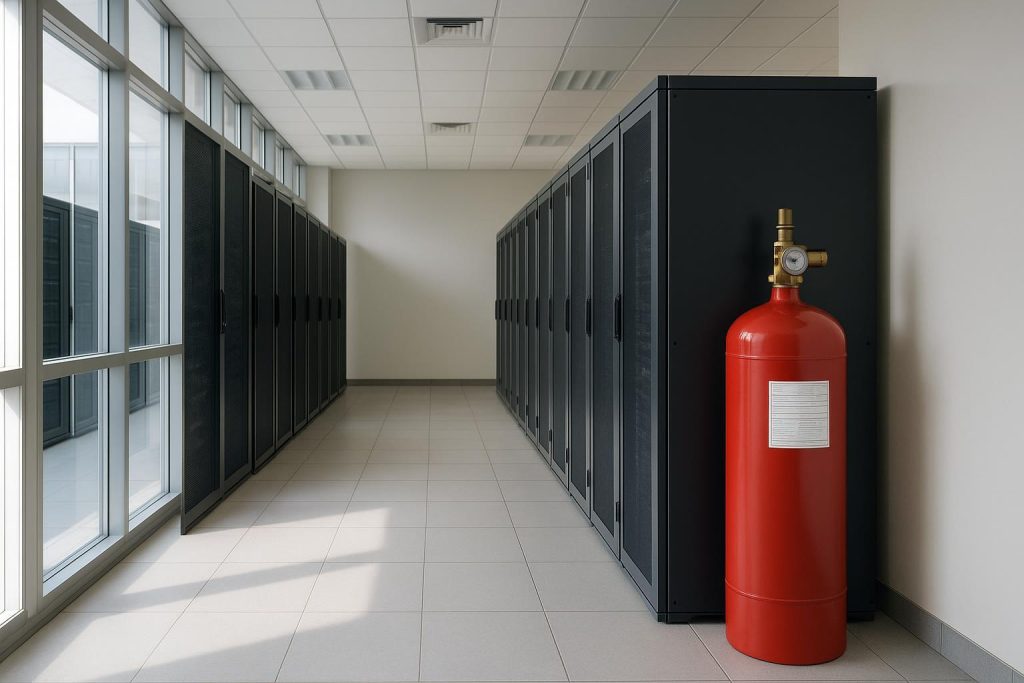
Efficiently Installing Clean Agent Fire Suppression Systems With Minimal Downtime
When you manage a busy commercial or industrial site, a critical goal is to maintain operations with as few disruptions as possible. In these environments, downtime isn’t just an inconvenience; it can translate to lost revenue, delayed project timelines, or compromised productivity. If you’re thinking about installing a clean agent fire suppression system, you may wonder if it’s possible to do so without causing significant interruptions. The good news is that you can indeed upgrade your property’s fire protection while keeping downtime at a minimum. By combining thorough planning, phased scheduling, and expert technical insight, you can ensure the project unfolds smoothly and aligns with your facility’s workflow.
This guide delves into the key considerations and strategies for integrating a modern clean agent system into your property. From scheduling to code compliance and team coordination, we’ll walk through the steps to complete an installation that fits your operating environment. You’ll also discover the benefits of using clean agents and how they help preserve sensitive equipment and materials. These tips can serve as a roadmap for achieving the fire safety you need, all while keeping your day-to-day activities running as usual.
Understanding the Value of a Clean Agent System
Clean agent fire suppression systems are specifically designed to extinguish fires without leaving powdery residues or water damage. Traditional water-based sprinklers can be very effective in many scenarios, especially in spaces that can handle a bit of moisture without issues. However, for mission-critical rooms—such as data centers, document archives, or fine art museums—residual water can trigger costly damage. Here are some of the key advantages of clean agents:
- Minimal Cleanup: Because clean agents target the fire at a chemical level, they do not leave a wet or powdery aftermath. This reduces post-fire recovery time and lowers associated costs.
- Quick Suppression: Clean agents extinguish flames rapidly by breaking the chemical combustion chain. This swift approach minimizes the fire’s potential spread and associated damage.
- Safe for Sensitive Equipment: Electronics, servers, and other technology investments remain largely protected because there is no flooding or corrosive residue that could lead to major repairs or replacements.
- Environmentally Conscious: Many modern clean agents are engineered to have low global warming potential, thus reducing their environmental footprint.
These benefits make clean agent systems particularly appealing for facilities where performance uptime is paramount. Yet, a common question persists: How do you install or upgrade these systems without significant downtime?
Efficient Planning and Scheduling
The first step in any smooth installation is careful planning. It’s best to begin by arranging a thorough site assessment and discussing operational constraints with your fire protection provider. In many cases, a reputable team will perform the following tasks before starting any installation work:
- Site Surveys and Investigations: Technicians inspect the building to determine existing infrastructure, identify sensitive areas, and highlight any unique complexities.
- Design and Customization: The clean agent system layout is tailored to the building’s specifications, ensuring code-compliant coverage. This process includes reviewing system capacity, pipe routing, discharge nozzles, and more.
- Detailed Timeline Creation: The provider collaborates with you to create a realistic schedule. This schedule typically outlines each phase of the project and matches tasks to specific time windows—weekends, off-peak hours, scheduled maintenance days—so that facility operations can continue with minimal interruption.
- Coordination with Other Services: If you already have fire alarm systems or fire extinguishers on site, the new clean agent system can be integrated seamlessly. Coordinating these services from day one often prevents unnecessary overlaps and delays.
Once these preparatory steps are completed, actual installation can generally move forward with fewer surprises. Working closely with a qualified fire protection services team means you have a clear roadmap for each phase and a plan to keep downtime under control.
Phased Installation to Keep Your Facility Operational
One of the most effective ways to prevent downtime is through phased installation. Projects can be executed in separate segments, ensuring critical areas remain active while another portion of the facility undergoes upgrades. Let’s break down how this might look:
- Identify Priority Zones: Determine which areas have the highest operational importance. These areas should experience minimal interruption, so less critical spaces may be addressed first.
- Schedule Around Downtime Windows: If your business has off-peak times, such as weekends or overnight periods, schedule any disruptive tasks for those intervals. This could mean placing pipes or testing alarms during slower periods.
- Implement Temporary Fire Safety Measures: While one section of the facility is being outfitted, additional portable fire extinguishers or alternate fire safety measures can be introduced to maintain protection standards.
You’ll also want to account for tasks like pressure checks, nozzle placement, and system commissioning. Many of these steps require short periods of access to specific rooms. By breaking the project into chunks and scheduling each segment thoughtfully, you prevent major disruptions to primary operations.
Addressing Code Compliance Early
Ensuring your clean agent system meets local fire code requirements and industry standards is essential for legal and insurance reasons. This adherence to code helps your business remain reputable and avoids compliance-related surprises later. If you have questions about specific regulations in your area, another FAQ on our site—Are there specific fire code requirements for clean agent upgrades?—can provide more in-depth guidance. Addressing compliance early in the design process reduces the likelihood of rework or delays once your installation is underway.
Because each municipality may have particular fire safety regulations, you’ll want to consult with your provider to verify all guidelines are being followed. Planning for inspections or design approvals from local authorities ensures that your system aligns with both national and local standards, speeding up the overall timeline and letting you focus on other responsibilities.
Coordinating With Key Stakeholders
Even with thorough planning, effective communication among employees, managers, and fire protection technicians is vital. Make sure every stakeholder understands the project scope, the timeline, and how each phase might affect their daily tasks. Consider holding short recurring meetings or distributing frequent updates that track the project’s progress. If you manage a large facility—like a manufacturing plant or corporate campus—having multiple points of contact ensures no detail is missed.
In addition, it’s useful to establish protocols for any unexpected developments. If the installation team needs additional time in a restricted area or if a test must be postponed due to unforeseen circumstances, having a communication channel in place helps you react with minimal chaos. By involving all stakeholders, you create an environment where compliance, safety, and operational success align seamlessly.
Testing and Commissioning the System
After installing the clean agent piping and setting up associated detection mechanisms, you’ll want to conduct system tests. These tests confirm that the clean agent discharges correctly and that the alarms, sensors, and overall fire protection infrastructure behave as expected. Though testing requires some coordination, it can often be scheduled during times that cause negligible disturbance to your day-to-day function. A few recommended steps to ensure a successful test include:
- Pre-Test Inspection: Walk through the system with technicians and stakeholders to confirm that all nozzles, detectors, and lines are in proper working order.
- Functional Testing: Validate the alarm signals, the detection of fire conditions, and the release of the clean agent in a designated test area.
- Post-Test Review: Make note of any improvements, such as repositioning nozzles or adjusting timings, to further reduce potential downtime in any subsequent testing phases.
Once your system passes these checks, you can rest easy knowing that your upgraded or newly installed clean agent setup is ready for real-world conditions. At this juncture, your facility should be well-equipped to rapidly extinguish fires without major disruptions if an emergency occurs.
Maintaining Long-Term Fire Safety
Any fire protection initiative is an ongoing process rather than a one-time project. Even after a smooth installation, you should plan for regular system inspections and maintenance to uphold both safety and compliance. Scheduling routine evaluations allows certified technicians to spot potential hardware or software issues before they escalate. They will also confirm that your system remains in line with evolving fire codes or updated site conditions. Ensuring that your fire protection infrastructure is in optimum shape means fewer unexpected breakdowns and fewer interruptions to your normal business flow.
In fact, many organizations find that pairing clean agent solutions with other protective measures—like fire sprinkler systems or fire alarm system monitoring—enhances overall readiness and preserves continuity. Since different spaces may require different solutions, your fire safety provider can offer guidance on how best to integrate them. Whether you need fire suppression services for specialized hazards or advanced alarm monitoring for immediate alerts, a carefully coordinated approach ensures layers of protection.
Industries That Benefit From Clean Agent Technology
Although clean agent fire suppression systems can be effective in diverse settings, some industries benefit more than others. Spaces with high-value or delicate assets, such as electronics, artwork, and archival documents, frequently choose clean agents to avoid lasting damage. If you’re curious about whether your field might gain from this technology, visit our article—Which industries benefit most from upgrading to a clean agent fire suppression system?. You might discover that professionals in science labs, financial data centers, museum archives, and more use these systems to maintain both safety and normal activity.
Alongside these industries, many companies that handle flammable materials or operate in controlled environments—like chemical manufacturers or specialized research facilities—might also find clean agent systems especially valuable. The key is that sensitive or high-stakes properties remain intact, providing a clear advantage if your operations depend on continual uptime.
When to Upgrade an Existing Fire Suppression System
If you currently have a water-based or older suppression system, you may be considering a swap to clean agents. Perhaps you want to avoid water damage, or your facility demands a faster detection and discharge mechanism. In that scenario, it’s helpful to explore another FAQ addressing the main advantages of replacing a CO₂ system with a clean agent system. This can expand your understanding of how clean agents can enhance safety and convenience.
For substantial upgrades in extensive commercial sites, you may also wonder about best practices in orchestrating such a massive overhaul. If so, consider looking at how to plan a smooth clean agent upgrade process for a large commercial facility. This can help you understand how to tier installations and how to minimize disruption in operations especially when multiple floors or entire buildings must be addressed.
Practical Tips for a Low-Downtime Installation
To summarize, here are practical steps you can follow if you want to integrate a clean agent system with minimal interruptions:
- Start Early: Involve your fire safety team from the beginning. Planning and design are crucial for avoiding downtime.
- Break It Down: Use a phased approach by dividing your facility into zones and handling them separately.
- Stay Flexible: Schedule the most intrusive tasks during off-peak or maintenance windows.
- Communicate: Keep all stakeholders informed. Let employees and managers know about the project phases, which areas will be impacted, and when they’ll be affected.
- Meet Code Requirements: Address compliance issues upfront. This saves you from the possibility of needing last-minute changes.
- Test Thoroughly: Allocate enough time for essential performance and safety checks before finalizing the installation.
- Ongoing Maintenance: Schedule routine inspections to preserve readiness and detect any problems early.
By following these recommendations, building owners and facility managers can install—or upgrade to—clean agent fire suppression systems without having to grind daily business to a halt. Doing so helps you stay compliant, protect critical assets, and deliver a safe environment for occupants.
Next Steps for a Successful Clean Agent Installation
Preparing for a clean agent system installation may seem daunting, but rest assured that many businesses have done it successfully with careful planning and open communication. As you coordinate schedules, design specifics, and code compliance, remember to involve professional, certified technicians who specialize in fire suppression services. They can answer questions about local regulations, handle specialized equipment, and help you navigate any unforeseen challenges.
Ultimately, a well-integrated clean agent system offers fast-acting protection while keeping your facility fully functional. The priority is to safeguard lives, valuable data, and essential equipment without significant disruption. Whether you’re a small business or a large corporate entity, an investment in clean agent fire suppression can pay off in both peace of mind and operational resiliency. By doing your due diligence and working alongside experienced life safety experts, you can introduce or upgrade a clean agent system that meets your facility’s unique needs, all while staying focused on your core operations.
