
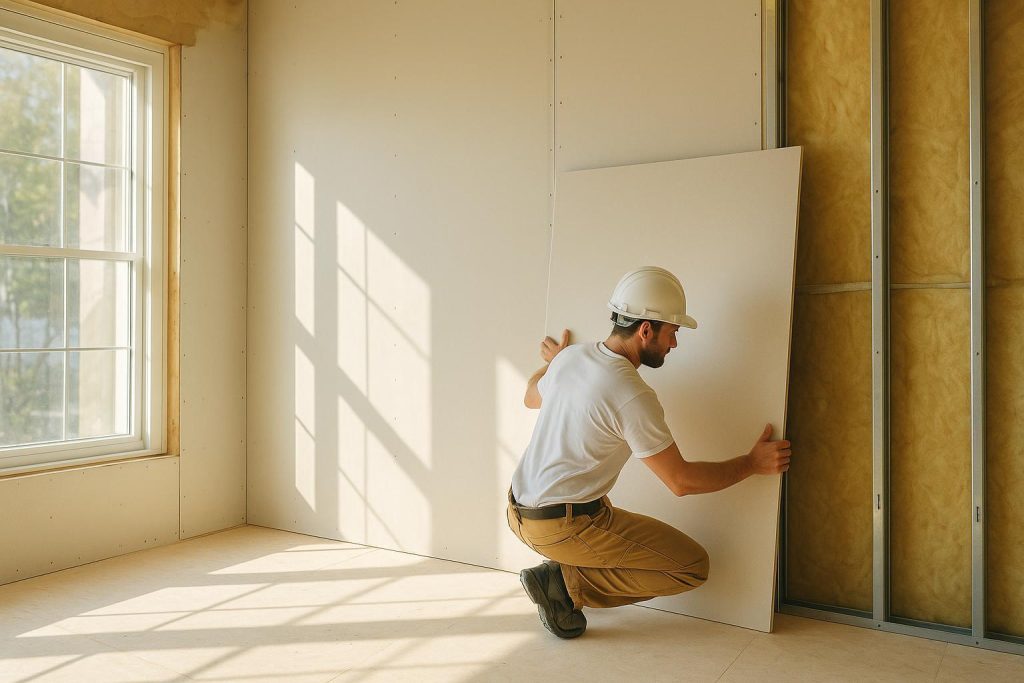
Key Steps for Installing Fire-Rated Drywall
Fire-rated drywall offers an extra layer of protection in residential, commercial, and industrial buildings by slowing down the spread of flames and smoke during a fire. Whether you are planning a new build or retrofitting an existing structure, it is crucial to follow local building codes and manufacturer recommendations for a proper installation. Below is a step-by-step guide to help you install fire-rated drywall effectively and safely.
1. Gather Proper Materials
Before you begin, ensure you have fire-rated drywall boards (often referred to as Type X or Type C), corresponding screws, drywall tape, joint compound suited for fire-rated panels, and essential hand or power tools. Fire-rated panels are typically thicker or specially reinforced with fibers to increase their resistance to heat.
2. Prepare the Surface
Check the framing and make sure it meets local code requirements for spacing and load support. Inspect any existing insulation or wiring to confirm it can tolerate the added thickness of fire-rated drywall. A clean, properly framed surface ensures a strong and code-compliant finish.
3. Secure the Panels
Start attaching the fire-rated drywall horizontally, aligning the edges precisely. Drive the approved screws every 8 to 12 inches along each stud. Be careful not to overtighten; this can damage the face paper and compromise the board’s fire rating. Stagger the seams between rows to increase structural integrity.
4. Tape and Finish
Use fire-rated joint tape and compound to seal seams and fastener holes. Apply multiple layers, letting each coat dry before sanding and adding the next. This process helps maintain the drywall’s ability to slow a fire’s progression. A smooth finish also improves aesthetics and readies surfaces for paint or additional fire-retardant coatings.
5. Confirm Compliance
After installation, verify that all work meets local fire safety codes, especially if your building requires any inspections. Consistent maintenance and inspections of your fire-rated drywall can help detect early signs of wear.
Fire-rated drywall is just one part of a comprehensive fire protection strategy. For guidance on other essential safety measures, consider exploring our Fire Protection Services or Contact Our Experts for professional advice and support.
