
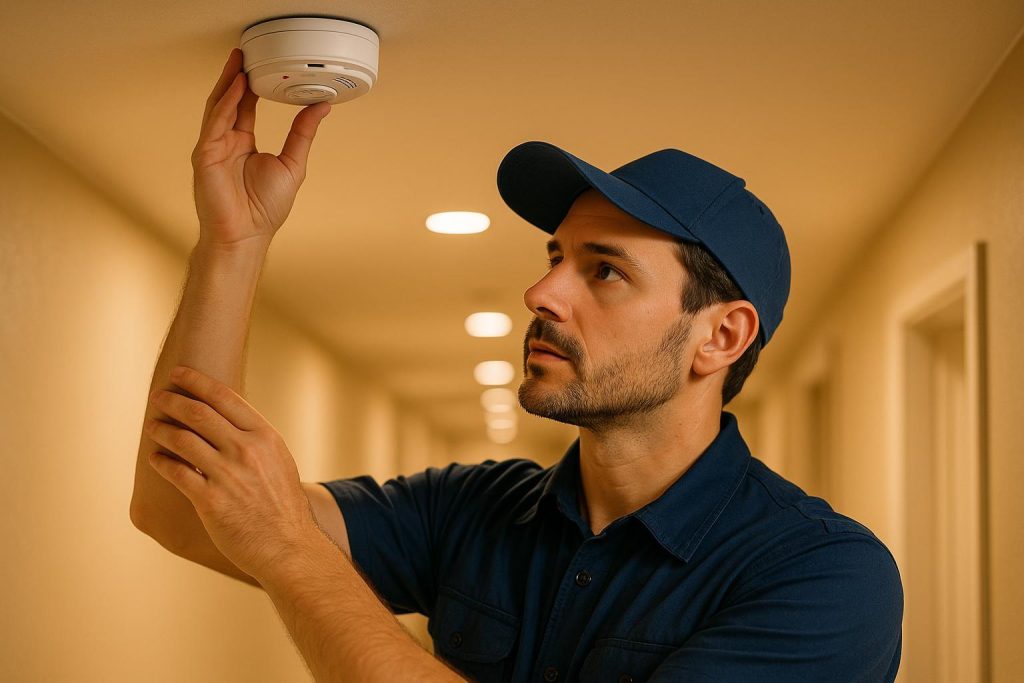
Why Professional Installation Matters for Fire Alarm Systems
Fire alarm systems are a crucial part of any building’s life safety strategy. They detect smoke or heat and promptly alert occupants to a potential emergency, giving them enough time to evacuate or take action. Yet, many people wonder if they can handle the installation themselves. While it is technically possible to install a fire alarm system on your own, it is not always advisable. Fire alarm and suppression systems are far more complex than many realize. They must adhere to strict local fire codes, industry guidelines, and engineering principles to ensure that they will function properly in an emergency. In this extended guide, we will discuss everything from the legal implications of DIY installations to the importance of professional expertise, system inspections and maintenance, and how to determine the best way forward for your specific property.
Understanding the Complexity
Unlike basic smoke detectors that you can acquire from a local hardware store, a fully integrated fire alarm system is a network of detectors, control panels, circuitry, notification devices, and sometimes even fire suppression services integrated into the same infrastructure. Setting up such a system involves far more than just plugging in a few devices. It calls for a complete plan that accounts for the building layout, electrical wiring, device compatibility, and compliance with local codes. Even if you are an experienced electrician, missing a single detail could lead to a system failure when it matters the most.
In many regions, fire alarm systems must meet stringent conformity requirements. This is not only for preventing false alarms but also for ensuring the system responds correctly if a real threat occurs. Though it may seem tempting to install or upgrade your own alarms to reduce immediate costs, a professional approach significantly reduces the risk of malfunction. For building owners who are responsible for tenant safety, or for facility managers in industrial complexes, a system that is even slightly out of compliance can pose serious legal and financial risks. Remember that saving a small portion of the overall budget on installation may lead to higher liability if a system fails during an emergency.
Legal and Code Requirements
Most municipalities across North America have specific regulations about fire protection services. These regulations can include codes for how and where alarms must be placed. In commercial or industrial structures, certain devices like strobe lights or specialized detectors may be required. If your building is in Edmonton for instance, local fire codes and regulations around alarm system placement and maintenance must be followed. Neglecting these rules not only endangers occupants, but can also result in fines, legal action, or forced closures. Moreover, installing a system that is not code-compliant may later need to be replaced entirely when you apply for certain permits, sell your property, or undergo a routine inspection.
Professional fire alarm companies employ certified technicians trained in understanding these complexities. They watch for any unique hazards on the property, such as chemicals or specialized equipment. They also know how to choose detection technology that aligns with the building’s usage, occupancy levels, and environmental conditions. By having professionals handle everything from design to installation, you will meet the mandatory requirements and reduce your liability exposure. Furthermore, a well-documented professional installation helps keep property records tidy and ensures you have proof of code compliance during audits or routine inspections.
Assessing the Scope of Your Project
If you have a small family home and very minimal life safety needs, you might consider a simpler, store-bought solution. But for multi-residential, commercial, or industrial properties, the scale and complexity are far greater. You are dealing with a variety of zones, occupant requirements, and potential hazards. This means multiple smoke sensors, heat detectors, manual pull stations, and notification devices like alarms, sirens, or flashing lights. These systems often tie in with other safety features, including fire sprinklers or fire suppression systems, to create a robust life safety plan.
Even if you feel comfortable with electrical wiring, installing a fire alarm system on a large scale demands accurate complexity control and thorough knowledge of codes. A small misstep in cable routing, load testing, or device placement can render the entire network unreliable. What looks like a minor oversight could ultimately lead to a lifesaving system malfunctioning. And while a well-meaning do-it-yourselfer might attempt to troubleshoot, certain advanced components require specialized diagnostic tools that only licensed service providers have.
The Importance of Proper Design
A successful fire alarm system begins with an effective design. This is where certified technicians who specialize in fire alarm systems can really help. They use building schematics, occupancy load data, and local fire codes to figure out where sensors and notification devices should be placed. The design phase also covers the correct electrical configuration, so your system continues to operate seamlessly even if one part encounters a malfunction. You might be a DIY enthusiast with solid technical know-how, but design is more than just following a manual. It involves applying analytical thinking, knowledge of best practices, and a deep understanding of fire behavior in different environments.
In some environments, excessive dust, humidity, or chemicals could influence the type of sensors needed. For instance, in commercial kitchens or industrial sites, traditional smoke detectors may trigger more frequent false alarms than a specialized heat detector. Choosing the wrong device not only leads to unnecessary alarms but might also cause occupants to ignore alarms out of frustration. Over time, this can create a dangerous complacency toward critical alerts. That is why careful planning at the outset is key.
Equipment Selection
Installing your own alarm system is not just about hooking up wires; it also involves selecting the correct equipment. This requires a deep note of how different detection technologies function. Ionization detectors, for example, are quicker to detect flaming fires, whereas photoelectric detectors are often better at detecting smoldering fires. Some buildings need specialized sensors or integrated devices that can detect carbon monoxide or other gases. A professional can guide you in selecting the right balance of sensors, ensuring that each type of fire condition is covered.
If you pick substandard or incompatible devices for your system, the entire network might fail or present inaccurate notifications. In worst-case scenarios, you might install a sensor or a control panel that is not approved for your local area or is incompatible with certain test standards. As a result, the system could fail official inspections. A professional will not only choose reliable, recognized brands but also match these components to the particular risks found in your building. This safeguards everyone and makes the entire system more resilient in the face of an emergency.
Safety and Liability Concerns
When discussing life safety systems, physical safety is not the only concern. Liability is another critical factor. If a building owner installs or maintains a fire alarm system themselves and something goes wrong, they may face legal repercussions. Even if you followed every step in an online tutorial, the question remains: are you covered by insurance if a flaw in your installation leads to property damage or, worse, personal injury? Many insurers require that any major life safety or fire protection system be installed and maintained by a licensed professional. This is to ensure consistent quality, code compliance, and reliability.
A professional installation reduces your personal and financial risk. In many cases, it also helps ensure that warranty protections remain valid. If you self-install or make unapproved modifications, you may forfeit manufacturer or vendor guarantees. Over time, that translates to more expenses if equipment needs replacing. Above all, relying on a certified team gives you the peace of mind that experts have tested everything, leaving minimal room for oversight.
Testing and Maintenance
Once a fire alarm system is installed, the work is not over. Ongoing system inspections and maintenance are crucial. Depending on your location, you might be legally obligated to schedule regular tests to confirm all devices are still functional and that backup power sources are reliable. During these inspections, technicians may check wire connections, batteries, sensors, and control panels for potential faults. Neglecting these inspections can cost you significant fines and lead to an unprepared building when real fires occur.
Moreover, staying on top of maintenance extends the lifespan of your system, letting you catch problems early. A few common issues that arise over years of use include dust buildup in detectors, battery corrosion, or wear on mechanical parts. Using a professional service provider ensures that each component is thoroughly examined. When needed, technicians can also propose system upgrades to keep up with evolving safety regulations and industry advancements. Additionally, your facility might benefit from fire alarm system monitoring to guarantee a quick response even after working hours.
Common DIY Mistakes
Even well-intentioned owners who decide to self-install fire alarms and other safety devices often commit similar errors. One of the biggest issues is insufficient coverage, such as placing detectors only in hallways or skipping rooms with lower foot traffic. Fires can start in unoccupied spaces or storage areas, so coverage must be comprehensive. Another frequent oversight is incorrect power supply planning, resulting in insufficient power backups or poor wiring that can trigger false alarms.
Some DIY enthusiasts make the mistake of using outdated or incompatible components. Securing slightly cheaper parts from various sources in hopes of lowering the upfront cost frequently backfires when those pieces do not synchronize. Also, many watch only a few tutorials for the installation. While certain steps may appear straightforward, professional installers dedicate years to refining their craft and remain up-to-date with changing codes. No matter how handy you are, you might lack the specialized training that ensures consistent, efficient, and correct assembly of a fire alarm system.
When to Consult a Professional
If you are contemplating a more advanced system for a larger building, this is definitely a scenario where a professional consultation is necessary. If your property has multiple floors, extensive wiring, or specialized occupancy areas (like kitchens, laboratories, or storage rooms with flammables), the safety stakes are much higher. The same rules apply if you are subject to strict building codes. A certified group can also help integrate your fire detection system with other safety measures, like fire suppression services or fire sprinklers. The result is a cohesive safety network rather than a collection of disjointed devices.
Consulting a professional is also a chance to learn about modern alarm features that could be more appropriate for your building. This might include technology capable of real-time alerts to your smartphone or a 24/7 monitoring center. These enhancements can warn you about fires or equipment malfunctions even if you cannot physically be on-site. Ultimately, expert guidance can yield a system that is safer, more functional, and easier to maintain.
Benefits of Professional Installation
- Compliance: Professionals know local, provincial, or state codes, ensuring the system meets or exceeds compliance requirements.
- Reliability: Certified technicians follow rigorous checks to confirm everything functions as intended, lowering false alarms and system failures.
- Integration: Modern fire alarm systems can work hand in hand with lighting, ventilation controls, or other life safety measures. Professionals ensure that each component complements the overall plan.
- Insurance and Warranty: Many insurers provide benefits for professionally installed, code-compliant systems. You are also less likely to face disputes over system integrity in the future.
- Streamlined Maintenance: With a professional installer, you often have a go-to resource for periodic testing, troubleshooting, and system inspections and maintenance. Your system remains ready to operate at all times.
Periodic Upgrades and Future Prevention
Buildings and their contents change over time. Whether you add new machinery, modify interior layouts, or increase occupant capacity, you must adjust your fire alarm system accordingly. A professional team helps you assess these shifts and decide if new detectors, updated control panels, or specialized sensors are needed. Routine inspections identify which components still work well and which need upgrading or replacement.
By routinely revisiting your fire protection plan, you stay ahead of potential changes in fire codes or industry standards. Periodic enhancements can also improve the detection speed and reduce false alarms. Rather than waiting for a major incident or code enforcement visit, an ongoing relationship with a service provider helps ensure your system is consistently optimized. It is easier and more cost-effective to address incremental upgrades over time than to be rushed into a complete overhaul under regulatory pressure.
Considering a Holistic Approach
Your fire alarm system is one key piece of the puzzle, but it often works best within a broader safety framework. Integrated life safety systems may include sprinklers, fire extinguishers, direct lines to emergency fire services, and specialized agent-based suppression solutions for areas like IT rooms. Additionally, if you operate a restaurant or industrial kitchen, fire suppression for cooking appliances is vital. Many professional providers offer a package of services that plan every aspect, from detection to suppression and even occupant training.
Taking a holistic look at your building’s life safety needs means seeing alarms as just one protective layer. Sprinkler systems, for instance, are designed to slow the spread of fire, giving occupants more time to evacuate. Extinguishers let occupants handle smaller incidents right away if it is safe to do so. An emergency lighting setup helps people navigate exits in darkness or smoky conditions. When all of these pieces connect, the entire operation is that much more effective in any fire event.
Final Thoughts: Should You DIY or Go Professional?
At the end of the day, whether you can install a fire alarm system yourself depends largely on the scale, complexity, and risks associated with your building. Simple battery-operated smoke alarms might be a do-it-yourself endeavor in certain cases, but for any structure facing commercial or industrial requirements, the safer choice is professional installation. This move helps ensure code compliance, accurate system design, and ongoing support through system inspections and maintenance. It also reduces liability, keeps your insurance coverage straightforward, and extends the system’s overall useful life.
By consulting with certified technicians—who are skilled at designing and installing these systems for diverse environments—you will end up with more than just a collection of alarms. You will have a cohesive, code-compliant solution that improves building safety and occupant well-being. Given the complexity of modern life safety systems, most building owners and managers find that investing in a professional service pays for itself in peace of mind, legal protection, and reliable, long-term performance.
