
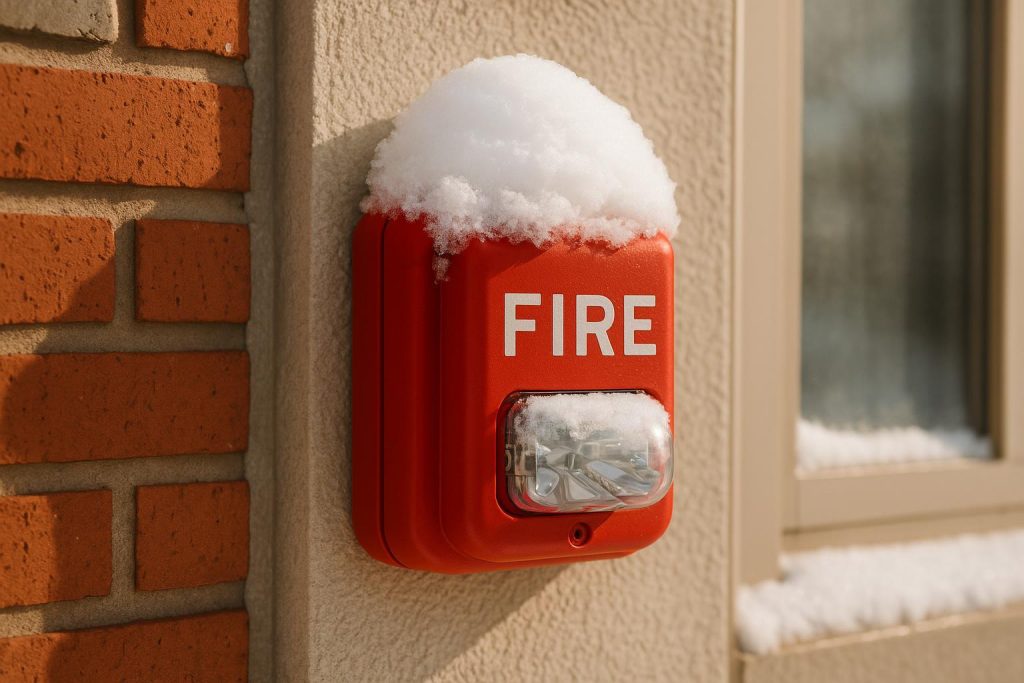
How Cold Weather Impacts Fire Alarm Systems
Does the cold affect fire alarms? While modern fire alarm technology is designed to be resilient, extremely low temperatures can indeed pose challenges. When the temperature drops, battery capacity may decrease, causing issues with power supply and reduced backup time. Additionally, a fire alarm panel in a colder environment can experience condensation and moisture buildup, especially if housed in an unheated area or if there are rapid temperature changes. These factors can lead to corrosion on internal components, short circuits, or even false alarms if sensors become overly sensitive.
In areas like Alberta, where winter temperatures can plummet significantly, considerations for cold-weather performance become especially important. Protecting your fire alarm system from extreme temperatures starts with proper installation. Ideally, panels and detection devices should be placed in temperature-controlled locations. Even a few degrees of difference can safeguard the system from excessive strain. Ensuring that doorways, windows, and other openings are properly sealed can further reduce the risk of drafts that might disrupt sensitive alarm components.
Regular inspections are essential for spotting any emerging issues early on. For instance, if your building’s fire alarm panel shows signs of intermittent faults during cold spells, it could indicate a power supply issue or compromised wiring insulation. Scheduling routine maintenance helps detect these potential malfunctions before they escalate into system failures. During a professional inspection, technicians can check for corrosion, clean any debris or dust accumulation, and verify the battery’s health under cold conditions.
When cold weather and harsh environmental factors are a concern for your facility, investing in additional protective measures could prove invaluable. Heated enclosures, backup power solutions, and humidity controls are practical ways to minimize cold-related disruptions. If you need expert assistance with installation, maintenance, or repairs, consider exploring our Fire Alarm Systems page. A knowledgeable team can provide you with cold-weather strategies, codes and compliance support, and recommendations for extending the life of your equipment. Ultimately, maintaining a dependable fire alarm system offers peace of mind year-round, no matter how low the temperature dips.
