
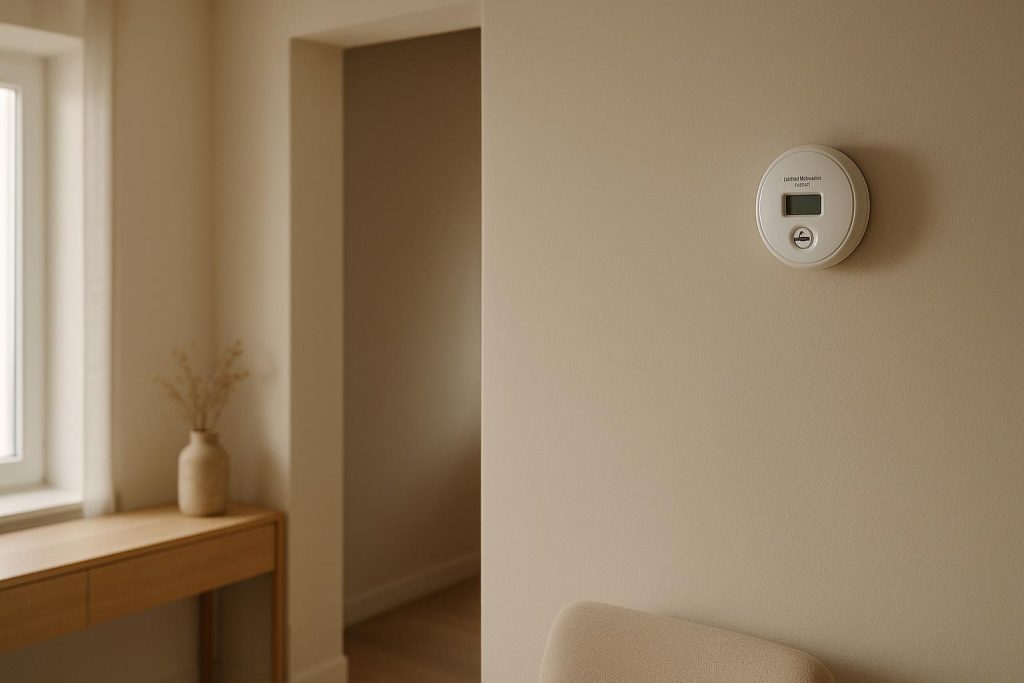
Understanding and Addressing a Beeping Carbon Monoxide Detector
Carbon monoxide (CO) detectors play an essential role in safeguarding your property. CO is an invisible, odorless gas that can be harmful—even fatal—in enclosed spaces when it accumulates above safe levels. Since your senses cannot detect carbon monoxide, your CO detector serves as the first and often only warning. By recognizing the various beep patterns and addressing them correctly, you can protect yourself, your occupants, and your building.
In this guide, we will walk you through the reasons your CO detector may be beeping and the steps you can take to handle each situation. Beyond stopping the noise, you will learn how to preserve safety, follow code-compliant practices, and maintain peace of mind. Whether you are a commercial property owner, facility manager, or homeowner, an effective carbon monoxide detection strategy can save lives. Read on to discover the best methods for silencing a beeping CO alarm while ensuring the health and safety of everyone in the building.
Why Carbon Monoxide Detectors Beep
Most CO detectors are designed to beep or chirp for a few distinct reasons. Each pattern provides critical information about what is happening within your environment or within the detector itself. Understanding these patterns helps you take the right action quickly. Below are the main beep patterns you may hear:
- One beep every 60 seconds: Indicates a low battery. Replace the batteries as soon as possible.
- Continuous loud beeping: Detects a dangerous level of carbon monoxide. Evacuate immediately and call emergency services.
- Beeping every 30 seconds: Signals an end-of-life warning. The detector needs to be replaced.
Each pattern is carefully designed to keep you informed about the status of your CO detector. Manufacturers often include a user manual that lists various alert modes. If you do not have the manual anymore, pay close attention to the beep frequency and volume to identify the likely cause.
Step One: Identify the Beeping Pattern
The first step to resolving the beeping is to pinpoint what the alarm is telling you. If it is beeping once per minute, you can safely assume it is a low battery warning. Alternatively, if you hear a steady, continuous beep, you should treat it as an active carbon monoxide alarm. Each pattern is a built-in message to help you act quickly.
If you cannot differentiate between patterns, check your specific CO detector’s label or consult the manufacturer’s information. Some will use slightly different beep intervals, but the general guidelines remain the same: a repetitive single beep usually indicates a battery or internal component issue, while a continuous or rapid sequence of beeps signals a gas detection event.
Step Two: Address a Low Battery Warning
A beeping pattern of one loud chirp every 60 seconds points to weak batteries. Many modern CO detectors require AA or 9V batteries, though a few models are hardwired with a battery backup. To silence the alarm and ensure it continues functioning:
- Replace the batteries immediately: Use fresh, high-quality batteries of the correct type. Inserting low-quality or old batteries may cause repeated beeping in the future.
- Press the “Test” or “Reset” button: This confirms that the new batteries are properly seated and the detector is functioning.
- Listen for further chirps: If the beeping stops, you have likely resolved the issue.
Always keep a supply of spare batteries for your detectors. Frequent battery checks are a practical way to maintain life safety systems. Many people perform a battery test during seasonal time changes or monthly building inspections—this simple habit can help prevent emergency beeping in the middle of the night.
Step Three: Evacuate Immediately if CO Is Detected
A continuously beeping carbon monoxide alarm is your cue to leave. This indicates that the detector senses a dangerous, code-defying concentration of CO. Because carbon monoxide is undetectable to your senses, you should not silence the alarm unless instructed to do so by first responders or once the area has been deemed safe. If your CO alarm sounds a continuous alert:
- Evacuate all occupants: Take everyone out of the building, including pets.
- Contact emergency services: Dial 911 or your local fire department right away.
- Wait for approval to re-enter: You might feel tempted to go back inside to gather belongings. However, you should not return until authorized by responders.
By exiting the building promptly, you reduce the risk of harmful CO exposure. This type of alarm scenario underscores the importance of having an effective emergency plan in place. Make sure all property occupants know the location of exits and how to respond to alarms. These measures help ensure that your safety procedures align with local regulations and code-compliant standards.
Step Four: Recognize End-of-Life Warnings
The sensor inside a carbon monoxide detector degrades over time. Depending on the model, these devices generally last five to ten years before they must be replaced. If you hear beeps every 30 seconds, the unit is likely indicating that its sensor can no longer accurately detect carbon monoxide levels. Follow these steps if you suspect end-of-life:
- Check the age of your detector: Look for the manufacturing date or the suggested “replace by” date on the back of the device.
- Replace promptly: Purchase a new, code-compliant CO detector as soon as possible. Delaying could leave you without crucial monitoring.
- Dispose correctly: Some areas require proper disposal of electronics or batteries. Identify local guidelines for safe disposal.
Upgrading to a newer model can also bring modern features like digital displays, smart home integrations, or more sensitive detection capabilities. While these features can be helpful, the primary purpose remains the same: to warn you of elevated carbon monoxide levels before they become a life threat. If you prefer a direct link to professional fire alarm and suppression services, you can consult specialized providers or your local code officials to ensure you choose a unit that meets regional requirements.
Addressing False Alarms
Sometimes, a CO alarm may go off for no clear reason. This can happen when the unit detects certain chemicals or experiences a minor electronic glitch. If you are confident that there is no actual carbon monoxide threat, follow these guidelines:
- Use the “Reset” button: Press and hold the button for 10–15 seconds. This often stops false alarms.
- Relocate the detector: If you find the device near a garage, bathroom, or cooking appliance, move it to a central area away from fumes or excess humidity.
- Monitor for continued issues: If the beeping continues, consider testing the batteries or confirm there is no CO present using a second detector.
If you have undertaken these steps and the alarm persists, there may be an internal malfunction, meaning it needs replacement. Keep in mind that ignoring repeated false alarms can be dangerous if a real threat occurs later. Always confirm whether actual CO levels are present if your detector keeps beeping.
Routine Detector Inspections and Maintenance
Reliable CO detection depends on proper installation and regular maintenance. Routine inspections, especially for commercial buildings, can be crucial for compliance with local safety regulations. Below are a few recommended maintenance tips:
- Test your CO detectors monthly: Press the “Test” button for a few seconds to make sure the alarm still works.
- Vacuum around vents: Dust buildup can interfere with the sensor. Gently vacuum or wipe away debris on a routine basis.
- Follow manufacturer’s guidelines: Different detectors may require unique care, such as specific cleaning agents or environmental conditions.
- Keep track of installation dates: Knowing when your detectors were installed helps you anticipate replacement intervals.
Regular inspections are part of maintaining a dependable life safety system. If you are managing a larger facility housing multiple occupants, consider creating a schedule for system inspections and maintenance to ensure consistent coverage. A comprehensive approach to fire protection services also requires verifying that adjacent systems—like fire alarms and emergency lighting—remain in good condition.
When to Replace Your CO Detector
Carbon monoxide detectors degrade over time, usually lasting between five to ten years. Many newer models include an internal clock and will issue a distinctive beep or visual indicator when they near expiration. Pay particular attention if the device continues beeping even after fresh battery replacements or resets. That is a clear sign it needs to be retired. Additional considerations include:
- Fading or unclear labels: If the detector’s labels have worn away, it can be challenging to track the manufacture date.
- Frequent false alarms: Frequent unconfirmed alarms can point to a failing sensor or internal circuitry.
- Upgraded safety standards: As regulations change, a newer detector can help ensure your building remains compliant with updated codes.
While you can silence nuisance beeping in the short term, continuous malfunctions indicate it is time to replace the unit. Properly functioning CO detectors are essential to every fire protection plan, whether you manage a single office, a multi-unit complex, or an industrial site. If you are uncertain about the lifespan or condition of your CO detection system, consulting certified technicians is your best bet to ensure you stay code-compliant.
Integrating CO Detection with Your Fire Alarm Systems
In many modern facilities, carbon monoxide detectors operate alongside fire alarm systems for comprehensive coverage. Having a cohesive setup can improve both occupant response and system reliability. Some benefits of linking CO alarms with broader fire safety measures include:
- Centralized monitoring: When connected to a building’s main alarm panel, CO alarms can send signals to security personnel or a 24/7 monitoring center.
- Streamlined maintenance: Scheduling inspections for fire alarms and CO detectors together saves time and ensures consistent reviews of all life safety components.
- Coordinated evacuation plans: A unified system can trigger a clear, site-wide response when any life-threatening condition is detected.
For commercial properties or buildings with multiple occupants, professional system inspections and maintenance become even more critical. A certified team can help you tailor a fire alarm and suppression system that aligns with local regulations and offers the best possible protection. If you are considering how to strengthen your existing life safety system, you may find it beneficial to speak with an expert about integrated monitoring solutions. Feel free to explore our Fire Alarm System Monitoring to learn more about continuous protection options.
Practical Tips for Avoiding CO Buildup
Even though your CO detector is a crucial safeguard, prevention remains the first line of defense. Keeping a building well-ventilated and equipped with modern appliances can reduce the risk of carbon monoxide buildup. Consider these tips:
- Service heating systems regularly: Make sure furnaces, boilers, and other fuel-burning appliances receive annual maintenance.
- Maintain clear vents: Blocked or clogged vents can trap exhaust gases inside.
- Avoid running vehicles in enclosed spaces: Do not operate cars, trucks, or motorcycles in garages with the doors closed.
- Check chimney flues: Secure a chimney inspection to ensure it is clear of debris or nesting animals.
In commercial settings, ensure that all corporate kitchens, mechanical rooms, and industrial areas have appropriate ventilation. Preventative actions reduce the chance of CO exposure, meaning your detector only goes off when there is a true concern. By following these guidelines and staying proactive, you improve overall building safety and prolong the life of your detectors.
Professional Support and Next Steps
If your CO detector continues beeping despite troubleshooting steps, or if you suspect a carbon monoxide leak, do not hesitate to contact qualified professionals. Certified technicians can identify possible sources of CO, verify system performance, and replace any faulty devices. Regular inspections ensure your detectors will sound at the correct time—rather than in false alarm situations.
For commercial and industrial properties, partnering with a fire protection services provider can streamline all life safety repairs, inspections, and system monitoring. By centralizing these responsibilities, you reduce oversights, ensure compliance requirements are met, and keep your building’s occupants safe.
Why CO Detector Maintenance Matters
Carbon monoxide detection is more than just a legal or code-compliance issue—it is a vital step in safeguarding lives. Properly maintained detectors minimize the risk of under-detection, false alarms, and unexpected system failures. Companies that invest in life safety systems protect staff, customers, and infrastructure. Meanwhile, homeowners who stay on top of detector maintenance provide a safer environment for their families and guests. The small cost of replacement batteries or a new detector pales in comparison to preventing serious harm from CO exposure.
Regular upkeep also benefits businesses subject to routine inspections by local authorities. When you maintain your detectors and other fire protection components, such as fire alarm systems and fire sprinklers, you demonstrate a strong commitment to occupant safety. It can also help you avoid penalties from failing code inspections. Quality detectors, tested periodically, offer an extra layer of defense against threats that you cannot see or smell.
Explore Additional Fire Safety Resources
Beyond CO detection, comprehensive fire protection involves multiple layers of precaution. Consider exploring the following services to enhance building safety:
- Fire Alarm Systems: Ensure your building’s primary alarm system meets local standards and operates seamlessly.
- Fire Suppression Services: Safeguard critical areas such as commercial kitchens and server rooms with specialized suppression systems.
- Fire Alarm System Monitoring: Get 24/7 monitoring to prompt rapid emergency response if an alarm sounded for any reason.
- Fire Extinguishers: Equip your property with portable extinguishers maintained by certified technicians.
If you have questions about assessing, upgrading, or testing any of your detection tools, contact a professional fire protection team. An experienced provider can design a holistic fire and life safety solution matched to your property’s unique needs. Be sure to look for experts who prioritize code compliance, quick response times, and thorough inspections and maintenance.
Final Thoughts on Silencing a Beeping CO Detector
Silencing a carbon monoxide detector is only part of the solution—understanding why it is beeping and taking the correct actions are paramount. You might only need to replace the battery or reset a false alarm. In more serious cases, the beeping could be alerting you of an immediate CO threat or the nearing expiration of the device’s sensor. Knowing these differences can ensure you respond correctly, protect everyone in your building, and maintain code-compliant practices.
When in doubt, prioritize safety. If your alarm continuously sounds, evacuate, call emergency services, and consult knowledgeable professionals to confirm there is no lingering risk. Regular maintenance, prompt battery changes, and scheduled device replacements all support a robust strategy for safeguarding lives and property. A well-functioning CO detector is a key component of any life safety system, working alongside fire alarms, fire sprinklers, and other vital measures to keep occupants safe. By staying vigilant and informed, you will ensure that one simple device can make a significant difference when it matters most.
