
How to Recognize an Expired Fire Extinguisher and What to Do About It
Fire extinguishers are among the most important pieces of equipment for maintaining a safe environment in homes, offices, and industrial facilities. However, simply owning a fire extinguisher isn’t enough — it must also be functional, pressurized, and ready for deployment at a moment’s notice. Over time, these safety devices can expire or degrade in quality, leaving you unprotected when a fire emergency strikes. In this comprehensive guide, we’ll explore how to determine if your fire extinguisher is expired, the factors that contribute to its overall lifespan, and steps you can take to ensure it remains effective.
Why Fire Extinguisher Expiration Matters
When we refer to a fire extinguisher as “expired,” it typically means that the unit can no longer perform optimally. An expired extinguisher might have reduced pressure, compromised chemical integrity, or physical damage that prevents it from functioning as intended. These factors can affect your life safety systems, diminishing your ability to respond to a fire quickly and efficiently. Since safety and compliance are paramount, knowing how to spot these signs ensures you are always prepared. Moreover, maintaining working extinguishers aligns with local fire codes and industry standards, promoting a code-compliant workspace or home environment.
1. Check the Manufacturer’s Label and Service Tag
The first and most straightforward step is to look at the label or tag on the fire extinguisher. Manufacturers often place a specific expiration date or recommended replacement date. Additionally, you should find a servicing tag that indicates when the unit was last inspected or maintained by certified technicians. If several years (typically over 5 to 12 years, depending on the type) have passed since the date indicated, it’s best to replace or professionally inspect the unit. These tags aren’t optional — they are part of standard system inspections and maintenance routines, helping ensure that any extinguishers you own are in working order.
2. Inspect for Physical Damage
Durability is key for any life safety system, and physical damage to a fire extinguisher’s exterior can render it useless. If the cylinder, nozzle, or handle appears dented, cracked, or corroded, the likelihood of malfunction or leaks is higher. Even minor exterior damage can compromise pressure levels inside the extinguisher, making it difficult — if not impossible — to expel the extinguishing agent when you need it. Inspect the hose and nozzle for clogs or wear. A bent hose or severe dents on the cylinder can indicate that the extinguisher has been knocked around or stored improperly, which might hasten its expiration.
3. Monitor Pressure and Weight
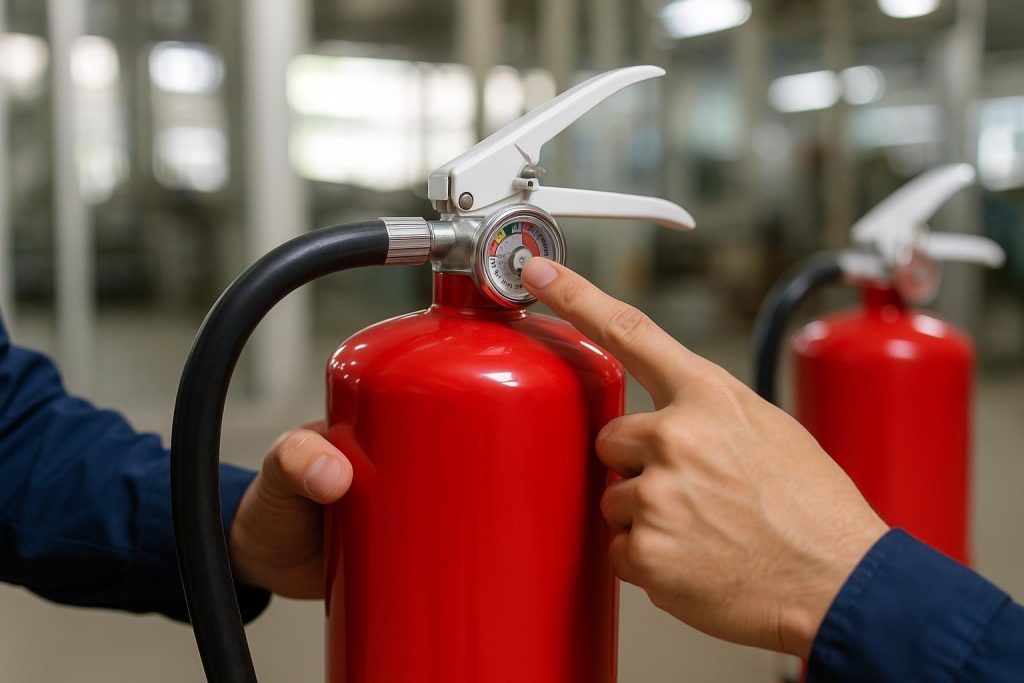
A functional fire extinguisher maintains adequate pressure over time. Most modern units contain a pressure gauge on the top or side to let you know if the unit is adequately pressurized. If the needle on the gauge consistently points to the “recharge” zone or if the gauge shows a drop below recommended pressure levels, it’s a sign you need to service the unit immediately. In addition, weigh your extinguisher if you suspect a leak or if it has been sitting unused for an extended period. If it is considerably lighter than the manufacturer’s specified weight, there is a good chance it has lost some of its extinguishing agent and should be replaced or refilled by a qualified service provider.
4. Feel the Contents and Shake the Extinguisher
Beyond checking the pressure gauge and weight, a practical test involves gently shaking the unit to see if the contents inside remain loose or if they have hardened. In dry chemical fire extinguishers, the powder can settle or cake over time, reducing the device’s effectiveness. If you feel that the contents do not move fluidly, or you hear clumping inside as you shake, it could mean the chemical is no longer reliable. This condition may worsen if the extinguisher has been exposed to extreme temperatures or humidity. Periodic checks can help you detect these issues before an actual emergency.
5. Know the Typical Lifespan of Fire Extinguishers
Not all fire extinguishers have the same lifespan. Some manufacturers design units to last a specific number of years, while others require periodic recharging or hydrostatic testing to remain functional. In general, traditional home and office units may last anywhere from 5 to 12 years. That being said, these are only guidelines. Proper upkeep, regular professional inspections, and adherence to local fire codes are critical for extending an extinguisher’s life. Remember, “expired” doesn’t always mean the device has stopped working entirely, but it does mean you have taken on added risks by relying on it.
6. Schedule Regular Inspections with Certified Technicians
No matter your level of expertise, professional inspections are invaluable for identifying potential problems early on. Trained professionals — often part of a fire protection services company — perform thorough checks to ensure your extinguishers, fire alarm and suppression systems, and other critical safety components meet legal requirements and are ready for emergencies. During inspections, certified technicians verify that gauges and chemical agents are up to par, and they can also handle recharging services if necessary. Routine checkups are a fundamental aspect of compliance and provide you the peace of mind that your equipment is reliable.
If you live or operate a business in Edmonton, Sherwood Park, St. Albert, Spruce Grove, Fort Saskatchewan, or Leduc, for instance, engaging a local provider with an in-depth knowledge of provincial codes can ensure your equipment remains code-compliant and ready for any emergency fire services call.
7. Recognize When It’s Time to Replace the Unit
As soon as you notice any indicators of failure — such as a cracked cylinder, consistently low pressure, or missing inspection tags — it is usually safer to replace the extinguisher. Proper disposal often involves releasing any remaining pressure, removing head components, and recycling the metal parts. For different types of extinguishers (like CO2 or water mist), follow the manufacturer’s specific instructions for safe disposal. Always check local regulations for guidelines on recycling and hazardous waste materials.
8. Best Practices for Fire Extinguisher Maintenance
- Keep It Accessible: Make sure your fire extinguisher is stored in a location that is both visible and easy to access. Avoid placing it behind heavy furniture or in cluttered cabinets.
- Maintain a Clear Signage: Whether in a commercial building or a home office, clearly label and mark the location of your extinguisher so anyone can find it quickly.
- Check the Seal: Many fire extinguishers come with a tamper seal that indicates if they have been discharged or altered. Ensure this seal remains intact during each inspection.
- Record Inspections: Keeping a log of each inspection, including the date, findings, and who performed it, helps track the extinguisher’s status over time. This log becomes a valuable resource for compliance audits and future reference.
- Stay Educated: Provide training or basic instructions to anyone who might need to use a fire extinguisher, including employees, family members, or tenants. Proper technique is vital if an emergency occurs.
9. Proper Usage of a Fire Extinguisher
Having an extinguisher that isn’t expired is only valuable if you know how to use it. Remember the PASS technique:
- Pull the pin: This breaks the seal.
- Aim at the base: Direct the nozzle low, at the source of the flames.
- Squeeze the lever: Do this slowly and steadily to release the agent.
- Sweep from side to side: Move the nozzle side to side at the base of the fire until it appears extinguished.
Your first step in an emergency, however, is always to call 911 and ensure everyone in the vicinity is safe. Only then should you attempt to tackle a small fire with an extinguisher, and only if the situation remains secure enough for you to do so. If in doubt, exit the building and wait for professional firefighters.
10. Don’t Forget About Other Fire Safety Systems
While properly maintained fire extinguishers are crucial, they are just one component of a broader fire safety strategy. Smoke detectors, fire alarm systems, fire suppression services, and sprinkler systems all play significant roles in protecting people and property. Coordinating these measures offers layered protection that can save lives, minimize property damage, and satisfy compliance requirements. Scheduling regular inspections with professionals who can look at each element helps safeguard your facility or home from potential oversights.
11. The Role of Code Compliance
In many regions, fire codes mandate recurring inspections and replacements to maintain the integrity of fire extinguishers. Business owners, facility managers, and homeowners should remain mindful of such regulations, as non-compliance can result in penalties or, more critically, compromised safety in the event of a fire. It’s best to work with professionals who are familiar with your provincial or local guidelines. Staying code-compliant often includes ensuring your extinguishers aren’t expired, that they’re correctly mounted on walls or cabinets, and that they pass any mandated annual or semi-annual inspections. When your equipment meets legal standards, you’re also affirming your commitment to the well-being of employees, customers, and residents.
12. Frequently Asked Questions About Fire Extinguisher Expiration
- What if my extinguisher has no date listed?
If there is no date visible on the unit’s tag or cylinder, check for a serial number or manufacturing code. You can often contact the manufacturer for more details, or you may choose to replace the extinguisher if you can’t confirm its age or condition. - Can an extinguisher be reused after partial discharge?
Yes, but it must be serviced and recharged by qualified personnel. A partially used extinguisher might not have enough pressure or extinguishing agent remaining for effective operation during a subsequent fire. - What if my extinguisher weighs less than its indicated weight?
Significant weight loss suggests the contents may have leaked, making the unit unreliable. In that case, schedule a professional inspection or replace the extinguisher outright. - Do I need more than one fire extinguisher in my building?
Generally, larger homes and commercial buildings require multiple extinguishers. The exact number and types needed depend on the building’s layout and local fire code requirements.
13. Stay Proactive About Fire Safety
Being proactive goes a long way toward ensuring that a small spark doesn’t turn into a major incident. By regularly checking for an expiration date, monitoring pressure, and scheduling inspections for your extinguishers, you make significant strides in protecting your property and the people within it. A well-maintained fire extinguisher is not a luxury; it’s a foundational component of any robust fire protection strategy.
If you’re unsure about your fire extinguisher’s health or want to explore other products such as Fire Extinguishers, Fire Suppression Services, or full Fire Protection Services, consult with certified technicians who can evaluate your equipment, offer expert guidance, and provide 24/7 emergency fire services as needed. Ensuring that your fire protection systems remain code-compliant will give you greater peace of mind, knowing that you’re correctly prepared for emergencies.
14. Training and Familiarity
Beyond ensuring equipment is operating correctly, it’s also important that individuals around you — whether employees, family members, or visitors — understand how to use a fire extinguisher and respond responsibly in an emergency. A quick refresher on the PASS technique can be invaluable. Consider hosting periodic fire safety training sessions or inviting a professional to demonstrate proper usage and maintenance best practices. Such training is an excellent way to reinforce your commitment to safety and demonstrate that you value the people who spend time in your building.
Conclusion
Confirming that your extinguisher is in good working condition is not just a regulatory requirement, it’s a vital step that can save lives and property. From checking the expiration date to monitoring pressure and ensuring routine professional inspections, every aspect of extinguisher upkeep aims at having a prompt and effective response in case of emergency. By staying informed, performing regular checks, and collaborating with knowledgeable fire protection services, you can cultivate a safer home or workplace for everyone involved. Keep in mind that a fire extinguisher isn’t just another tool; it’s a critical part of a broader fire safety network that includes alarms, sprinklers, and suppression systems. When all of these elements work together, your chances of safely managing an unexpected fire surge dramatically. Stay committed to fire safety, remain proactive with routine checks, and, if needed, reach out to a reputable provider that offers comprehensive fire protection solutions.
