
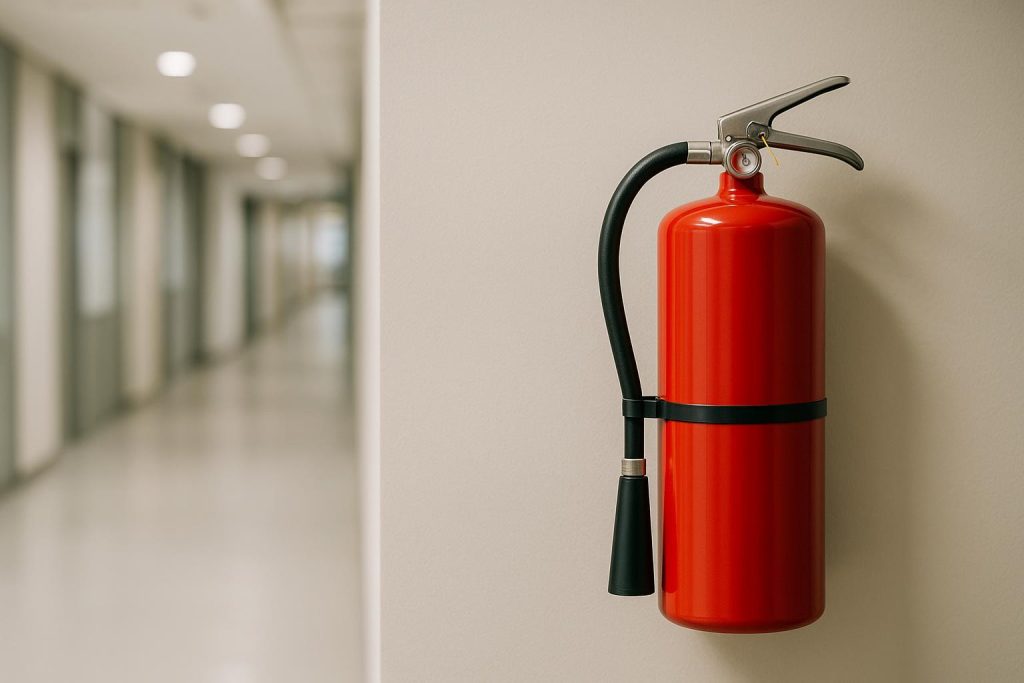
Recognizing When It’s Time to Replace Your Fire Extinguisher
Your fire extinguisher is an essential part of your overall fire protection toolkit. When properly maintained and inspected, it can stop a small fire from becoming a massive problem. But at some point, every fire extinguisher needs to be replaced or recharged. How do you know if it’s time? In this detailed guide, we’ll explore the signs that your fire extinguisher may have reached the end of its life, how to assess and replace it in Alberta, and why a sturdy, code-compliant device helps keep your home or workplace safer for everyone.
Why Fire Extinguishers Are Vital
Fire extinguishers provide a first line of defense against unexpected fires. They allow you to tackle small flames before they spread, which can be especially critical in commercial facilities or multi-residential buildings. By having a functioning fire extinguisher on hand, you can protect lives, reduce property damage, and maintain compliance with local codes and standards. Alongside other life safety systems—like fire alarms, sprinklers, and specialty fire suppression installations—your extinguisher is a cornerstone of total fire protection.
Experienced providers of fire protection services recognize that extinguishers are only effective if they are always ready for use. Regular system inspections and maintenance keep your extinguisher code-compliant and reliable. If your extinguisher fails during an emergency, you could face severe risks. That’s why knowing when it’s time to replace this vital piece of safety equipment is crucial.
The Pressure Gauge Tells a Story
A fire extinguisher’s pressure gauge is one of the quickest indicators of its health. Most models come equipped with a gauge near the handle. When the needle is in the green zone, your extinguisher is generally pressurized and ready. If the needle falls into the red zone—too high or too low—your extinguisher might require servicing, recharging, or even replacement.
Why does this happen? With time, seals can degrade, and internal pressures can shift. A too-low pressure may mean there’s a leak or that propellant gases have escaped. A too-high reading could signal over-pressurization, which is unusual but not impossible. Both conditions can be hazardous or indicative of a failing unit. Checking your gauge at least once a month, and certainly before critical events or inspections, ensures you’re aware of any issues quickly.
Physical Damage: Dents, Corrosion, or Clogs
A quick visual inspection can reveal physical damage that might prevent your extinguisher from functioning correctly. Look for:
- Dents and Scrapes: Small surface scratches are common, but deep dents may compromise the canister’s structural integrity, increasing the risk of leakage or bursting.
- Corrosion or Rust: Over time, corrosion weakens metal and can cause leaks. Check for brownish or greenish spotting on steel components or signs of pitting.
- Clogged or Damaged Nozzle: The nozzle must be clear of debris. If it’s blocked or the hose is cracked, the extinguisher won’t properly release its agent.
If you spot damage, consult a certified technician regarding repairs, recharging, or full replacement. In many cases, especially if the cylinder is compromised, replacing the entire unit is the safest decision.
Understanding the Lifespan of a Fire Extinguisher
One of the most common questions about fire extinguishers is how long they last. On average, a properly charged and maintained extinguisher can stay functional for five to fifteen years, depending on the model and type. Even if the pressure gauge remains steady, internal components can degrade over time. That’s why experts recommend that you:
- Check the manufacturer’s date stamped or printed on the canister.
- Review the last inspection date on any attached tag.
- Schedule periodic maintenance at recommended intervals—typically every six years for many models.
Be sure to replace a disposable extinguisher that’s reached its end of life. Attempting to recharge a disposable unit is generally not feasible or allowed. If you have a rechargeable extinguisher in any part of your building, keep a schedule for recharging after every use or partial discharge. Frequent checks and timely servicing help maintain your facility’s fire protection readiness while aligning with code compliance.
When to Recharge and When to Replace
Some fire extinguishers can be recharged multiple times by a professional, as long as the shell remains intact and undamaged. Once you use a rechargeable extinguisher—even if just for a short burst—it’s crucial to have it recharged immediately. The last thing you want is to discover the canister is empty or improperly pressurized during a real emergency event.
However, recharging isn’t always an option, especially for extinguishers that are:
- Heavily damaged
- Past their recommended “useful” lifespan
- Marked “non-rechargeable” or “disposable”
In these instances, you’ll want to replace the extinguisher right away. The cost of a brand-new canister is usually far less than the potential damage a failed device could cause. Safety isn’t an area where you want to take shortcuts.
Disposal and Replacement Steps in Alberta
Replacing your extinguisher in Alberta, whether you’re in Edmonton, Sherwood Park, or any surrounding community, involves specific steps to stay on the right side of compliance and environmental safety. Here’s a basic guide:
- Identify the Type of Extinguisher: Understand whether you need a water, foam, CO2, or dry chemical extinguisher for your environment. Commercial kitchens, for example, often require Class K extinguishers for grease fires, while offices usually use multi-purpose ABC models.
- Choose a Reputable Supplier: Purchase units that carry approvals from recognized Canadian standards associations. This ensures your extinguisher meets performance and safety benchmarks.
- Follow Local Regulations: Consult the Alberta Building Code and local fire codes to confirm you have the correct size and classification for your space. If you have questions, you can also check guidelines from local authorities or a certified fire protection provider.
- Dispose of Old Units Responsibly: Fire extinguishers contain pressurized chemicals. Consult your municipal hazardous waste facility, or contact your local fire department. Many will dispose of canisters safely to prevent environmental damage.
- Install According to Code: Mount the new extinguisher at the recommended height—often no higher than five feet above the floor for easy access—and ensure the location is clearly visible and free from obstructions.
- Document Everything: Keep records of purchase dates, inspection schedules, and any critical details about the extinguisher’s model and maintenance to prove code compliance and plan for future servicing.
Staying on top of these steps provides peace of mind and helps prevent compliance headaches down the road. Regular, proactive attention to your extinguishers is a small upfront effort compared to the cost and risk of being unprepared.
The Value of Regular Inspections
Professional inspections by certified technicians keep your extinguishers and other fire safety systems in prime condition. Whether it’s fire alarm and suppression systems or fire extinguishers, routine check-ups offer these benefits:
- Code Compliance: An expert ensures every detail—placement, signage, size, and condition—adheres to regulations.
- Early Problem Detection: Technicians can detect internal corrosion, pin damage, or other hidden defects you might miss.
- Consistent Readiness: By verifying pressure gauges, seals, and instructions, the technician confirms that your extinguisher stays ready when it’s needed.
- Lower Long-Term Costs: Minor fixes or regular servicing can be cheaper than replacing an entire unit if left unattended.
For those managing large commercial properties or multiple facilities in Alberta, an inspection schedule is a great way to stay organized, reduce liability, and ensure that your fire protection services remain up to date.
Choosing the Right Extinguisher for Your Setting
If a replacement is needed, one of the first questions you might ask is: which type of extinguisher suits my needs? Common classes include:
- Class A: Solids like wood and paper
- Class B: Flammable liquids such as gasoline or oil
- Class C: Electrical equipment
- Class D: Combustible metals
- Class K: Fires involving cooking grease or oils (often found in commercial kitchens)
Many workplaces go with a multi-purpose ABC extinguisher that covers a range of common fire hazards, but you might need specialized extinguishers for certain industrial or commercial operations. Consult a fire protection professional if you’re unsure which class to choose. By selecting the right option, you invest in a more targeted form of safety, preventing small mishaps from turning into large-scale emergencies.
Beyond Extinguishers: Comprehensive Fire Safety
While portable extinguishers are essential, complete fire safety often calls for a broader strategy. If you operate a larger building or manage a commercial space, ensure your entire facility is served by code-compliant systems, including:
- Fire Alarm Systems with regular monitoring and testing
- Sprinkler Systems to control fire spread
- Fire Suppression Services like kitchen hood systems or clean agent suppression
- Emergency lighting and well-maintained exit signage
Each layer of protection plays a role. Alarms alert occupants; sprinklers suppress flames; extinguishers tackle localized fires; and professional monitoring ensures swift emergency fire services, if necessary. Working with a trusted provider can simplify the task of weaving these components into a unified safety plan that addresses both routine and high-risk scenarios.
Common Mistakes in Fire Extinguisher Management
Some property owners forget to schedule annual inspections, while others ignore small pressure drops. Here are a few typical missteps:
- Outdated Inspections: Going several years without professional checks can result in non-functional equipment or code violations.
- Ignoring Physical Damage: A small dent may appear harmless, but it could hide deeper structural issues.
- Improper Mounting or Storage: Storing the extinguisher on the floor or behind clutter makes it harder to grab when urgency strikes.
- Not Training Occupants: Employees or family members who don’t know how to operate the extinguisher can waste valuable seconds in a crisis.
Each of these oversights can reduce effectiveness, turning what should be a reliable safety tool into a potential weak spot. Revisit your extinguisher’s condition regularly, and involve building occupants or staff in at least basic fire safety training whenever possible.
Final Thoughts on Replacements
It might be tempting to hold on to an extinguisher that shows minimal outward wear and tear, but safety equipment is best updated before it fails. Replacing a fire extinguisher at the right time safeguards people in offices, commercial buildings, industrial facilities, or even in your home. Whether you are in the center of Edmonton or a neighboring community like St. Albert, Spruce Grove, Fort Saskatchewan, or Leduc, adhering to local regulations and schedules is key to staying prepared.
When in doubt, reach out to a professional for a thorough assessment. They can confirm if your extinguisher is ready for recharging, requires a fresh replacement, or might still serve you well for a few more years. This kind of proactive approach reflects a commitment to comprehensive life safety systems—an outlook that protects not just your property, but the people who walk through its doors every day.
A well-maintained extinguisher can be a lifesaver, but only if it’s truly functional. By watching your pressure gauge, checking for physical damage, following recommended service intervals, and disposing of old equipment responsibly, you’ll be better equipped to handle minor fire incidents safely and efficiently. If you need additional guidance or support on fire extinguishers or other critical fire protection services, you can contact us for expert advice. Keeping all your fire protection measures up to date can save you time, money, and—most importantly—lives.
