
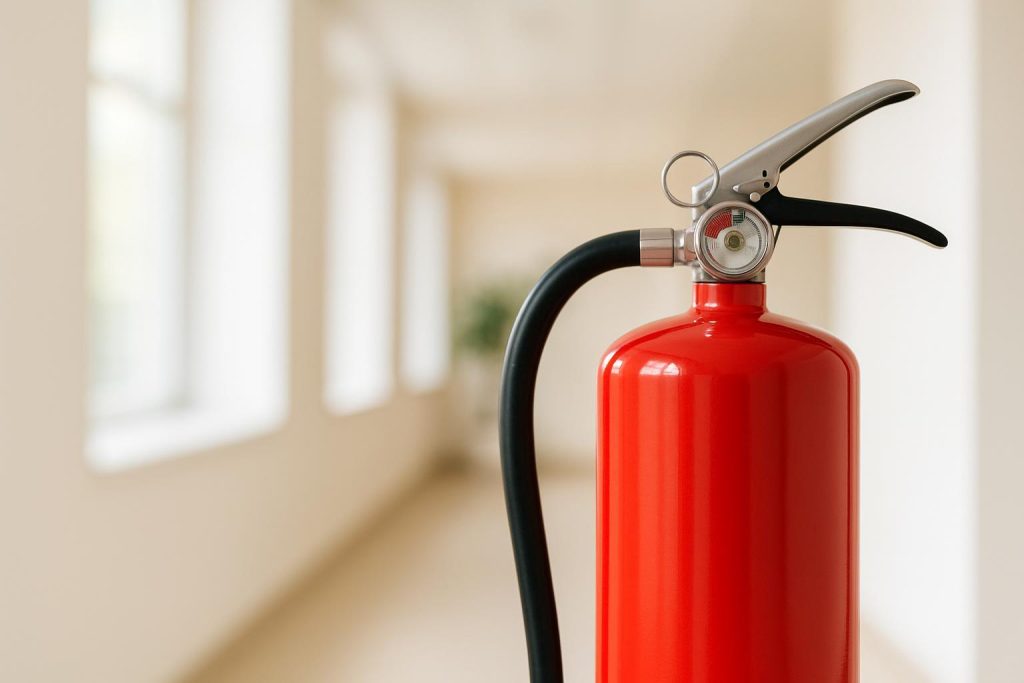
Ensuring Your Fire Extinguisher Is Ready for Action
Fire extinguishers are essential life safety systems, yet many people are uncertain about when these devices expire or lose their effectiveness. Whether you manage a commercial property or simply care about safety at home, understanding the condition of your fire extinguisher ensures you can spring into action when it matters most. In this detailed guide, we will explore how to check if your fire extinguisher is expired, what to look for when performing routine checks, and how to maintain compliance with local regulations. By the end, you will have the knowledge you need to help keep your facility prepared, compliant, and well-protected.
Why Fire Extinguishers Expire and What That Means
A fire extinguisher relies on a pressurized agent—often a dry chemical, foam, or clean agent—to suppress or extinguish a fire. Over time, these internal components can degrade, and the stored pressure can drop. Even if you have never used the extinguisher, the seal can weaken, and the chemicals may become less effective. Manufacturers generally recommend replacing or recharging extinguishers every few years according to the model and usage.
In many cases, fire extinguishers come with an explicit expiration date indicated on the manufacturer’s label. Once this date is reached, or if the extinguisher is otherwise compromised, the unit may no longer be reliable. Consequently, routine checks and timely replacement form a key part of proper system inspections and maintenance. It is worth noting that fire extinguishers used in commercial environments are often subject to code-compliant regulations, meaning inspections by certified technicians become even more crucial to avoid potential legal or insurance complications.
How to Find the Expiration Date or Manufacturing Date
There is no single standardized location for expiration dates across all extinguisher brands. Generally, you can find the manufacturing or expiration date in one of the following places:
- Label or nameplate: Check the main label closely, either near the instructions or on a dedicated line with the date.
- Bottom or undercarriage stamp: Some manufacturers emboss or print the date on the bottom of the canister.
- Neck or handle area: Look around the extinguisher’s neck or near the handle assembly for a printed or stamped date.
If you cannot find an obvious date, consult the manufacturer’s website or manual, as some models use a coded system for the manufacturing date. If the extinguisher is worn or the label is partially removed, consider having it inspected by a fire protection services professional to confirm whether the device is still usable.
Signs Your Fire Extinguisher May Need Replacement
Beyond the stamped or printed expiration date, there are other indicators that an extinguisher may require replacement, including:
- Loss of pressure: A quick glance at the pressure gauge can reveal if the device has lost charge.
- Visible damage: Dents, rust, or corrosion can compromise the extinguisher’s structural integrity.
- Damaged or missing parts: A cracked hose or broken nozzle eliminates the extinguisher’s usefulness. Also, a missing locking pin suggests the unit could have been tampered with.
- Lack of maintenance records: If there is no documentation of inspections or maintenance, the extinguisher’s reliability becomes highly questionable.
Additionally, all fire safety equipment should be carefully stored in an area designated for emergency fire services. If your fire extinguisher is kept in a place exposed to extreme temperatures or humidity, you should check on it more regularly to ensure it remains functional.
Step-by-Step: Checking the Status of Your Fire Extinguisher
Below is a clear breakdown of how to confirm that your fire extinguisher is ready for potential use. Be sure to perform these checks at least once a month, and more frequently in high-risk environments.
1. Check the Pressure Gauge
- Locate the gauge: You will typically find a pressure gauge near the extinguisher’s handle.
- Assess the needle’s position: The needle should be in the green zone. If it is in the red zone (low pressure), the unit is undercharged. In rare cases, it may be in the yellow zone (too high), indicating over-pressurization.
If the gauge indicates any abnormal pressure level, it is advisable to replace or service the unit right away. Maintaining proper pressure is essential because a fire extinguisher that is not adequately charged cannot effectively suppress a fire.
2. Inspect the Safety Seal and Pin
- Seal: Look for an intact tamper seal on the handle. This seal ensures that the extinguisher has not been discharged or tampered with.
- Pin: Confirm that the locking pin is securely in place. This pin keeps the extinguisher from accidentally discharging.
3. Examine the Physical Condition
- Body inspection: Check for visible corrosion, dents, or other damage. Even minor damage can interfere with performance.
- Nozzle and hose: Ensure there are no obstructions, such as debris or clogs, and that rubber hoses are free from cracks.
4. Check the Inspection Tag
- Review inspection records: Commercial-grade fire extinguishers typically feature an inspection tag documenting periodic checks or servicing done by certified technicians.
- Schedule professional inspections: If more than a year has passed since your last professional inspection, particularly in busy facilities or those with heavy foot traffic, you should schedule a check as soon as possible to remain code-compliant.
5. Weigh the Extinguisher (for Certain Types)
If your fire extinguisher is a type that includes weight guidelines in its instructions, place it on a scale to verify it aligns with the listed specifications. Any significant discrepancy indicates the extinguisher may have lost agent or pressure, requiring service or replacement.
Maintaining Your Fire Extinguisher: Proper Storage and Handling
Regular system inspections and maintenance involve more than just checking the pressure gauge. Proper storage is crucial. Ideally, you should store your extinguisher in a place that is reachable and protected from extreme heat or cold. Locate extinguishers near potential fire hazards, such as kitchens or workshops, while ensuring accessibility during emergencies. Keep the area around your extinguisher clear of clutter to avoid any obstacles if you need to grab it quickly.
If you operate a commercial facility, the local fire code or authority may dictate specific mounting heights for extinguishers, signage requirements to mark their locations, and guidelines for the maximum distance between extinguishers. Staying informed about these regulations enhances not only your compliance but also your overall preparedness.
The Role of Regular Professional Inspections
While monthly self-checks are essential, professional inspections provide a more in-depth examination. A certified technician can disassemble parts of the extinguisher for thorough cleaning, replace damaged components, and conduct tests on the gauge and internal chemicals. These services are especially important if you manage a larger building or a facility that handles flammable or hazardous materials.
Professionals also look at your broader fire alarm and suppression systems. For instance, combining a well-serviced fire extinguisher with code-compliant fire alarm systems and properly maintained fire extinguishers can substantially reduce the risk to people and property. You might also consider exploring fire suppression solutions or fire alarm system monitoring to further enhance your readiness. Regular inspections by certified technicians not only restore peace of mind but also help to demonstrate your commitment to the safety of employees, tenants, and visitors.
What to Do Once an Extinguisher Expires
If your fire extinguisher has exceeded its expiration date, or if it shows signs that it needs to be replaced, do not simply toss it in the trash. Follow these guidelines:
- Contact a fire protection specialist: Many professionals can help you safely dispose of your extinguisher or may recharge it if possible.
- Choose a screenable disposal option: Some local fire stations or hazardous waste facilities accept old fire extinguishers. In some locations, you may need an appointment to drop off such items.
- Upgrade if needed: Depending on your property’s age and size, this could be an ideal time to switch to a new type of extinguisher, such as a clean agent unit for specialized areas or a larger capacity model for high-risk zones.
Consulting a reputable provider can also help ensure your new extinguisher is installed and documented properly. This is especially important for commercial buildings where thorough record-keeping and code-compliant installations are crucial.
Common Questions People Ask About Fire Extinguishers
Below are some frequently asked questions concerning fire extinguisher care and maintenance:
- How often should I replace my fire extinguisher?
Although it varies by model, many manufacturers suggest replacing most consumer-grade extinguishers every 5 to 15 years. In commercial settings, more frequent checks and replacements may be necessary to maintain compliance. - Can I recharge my extinguisher instead of replacing it?
Yes, some units are designed to be recharged. Whether it is cost-effective to do so depends on factors like the extinguisher’s overall condition and local service costs. - What type of extinguisher should I have?
This depends on the nature of the fire hazards present. Offices or homes typically need an ABC-rated extinguisher. Commercial kitchens often need specific extinguishers rated for grease fires. Consulting a professional can help you select the correct product.
Incorporating Comprehensive Fire Protection
Maintaining fire extinguishers is just one piece of a well-rounded safety strategy. In many buildings, having fire sprinkler systems, a reliable fire alarm setup, and appropriate fire suppression services can offer a robust defense. Automated sprinklers activate quickly in the event of a fire, and specialized suppression systems (like those used in server rooms or industrial facilities) minimize damage to sensitive equipment.
Additionally, fire alarm system monitoring ensures that emergency responders are alerted, even during off-hours or when staff might not be on-site. Properly coordinated fire protection services provide a layered approach: alarms to alert occupants, suppression systems to quickly control the blaze, and portable extinguishers for targeted firefighting if safe to do so. This holistic strategy can reduce both property damage and risk to human life.
Who Should Inspect and Maintain Your Fire Extinguishers
While you can perform basic monthly checks yourself, there is no substitute for a certified fire protection technician’s expertise. They have a deep understanding of code-compliant regulations, local ordinances, and the practical know-how to ensure your extinguisher meets performance standards. For commercial or industrial properties, especially those located in Edmonton, Sherwood Park, St. Albert, Spruce Grove, Fort Saskatchewan, and Leduc, consistent inspections are vital to keeping you ready for emergencies and aligned with any mandated testing schedules or record-keeping requirements.
Relying on a Full-Service Provider
One of the most convenient ways to handle fire extinguisher checks, replacements, and other aspects of life safety systems is to partner with a full-service fire protection provider. For example, Advanced Fire Protection Services offers comprehensive solutions that include installing, inspecting, and maintaining fire alarm and suppression systems. Whether you need a new fire extinguisher suited to your unique environment or a complete upgrade of your facility’s fire suppression setup, having a reputable partner can ease the administrative burden.
It is also beneficial if your provider offers emergency fire services, meaning you can call on them not only for routine check-ups but also for urgent repairs or recharges after an unexpected discharge. If you are unfamiliar with local fire code compliance or baffled by the variety of extinguishers available, an experienced partner can guide you each step of the way. Above all, you can trust that your equipment functions correctly when it counts.
Staying Proactive About Fire Safety
Fire safety is not a one-time task. It is a continuous process that requires regular attention and updates. Even the most advanced devices will become less effective if ignored too long. Setting a schedule for monthly extinguisher checks and marking your calendar for annual professional inspections is a strategy that helps maintain readiness.
In a commercial facility, consider initiating employee training so your team members know how to respond should a fire occur. Understanding how to activate alarms, what extinguisher to use for a particular type of fire, and how to evacuate quickly can significantly minimize chaos and damage during an emergency. Encourage everyone to take an active role in spotting hazards and ensuring fire protection equipment remains accessible at all times.
Key Takeaways
- Fire extinguishers do expire, often recognized by a manufacturer’s expiration date or decreased internal pressure.
- Routine monthly checks can help you quickly identify issues like a broken seal, missing pin, or damaged hose.
- Professional inspections and maintenance are crucial for commercial buildings and are required by local fire codes.
- A broader strategy that includes fire suppression, sprinklers, alarms, and monitoring can further reduce risks.
- Partnering with a trusted fire protection services provider not only ensures compliance, but it also streamlines your overall life safety approach.
Staying informed, vigilant, and well-prepared are the real keys to fire safety. Whether you have a large commercial property or a smaller business space, investing in the right tools—and knowing how to use them—can make all the difference in protecting both people and property.
