
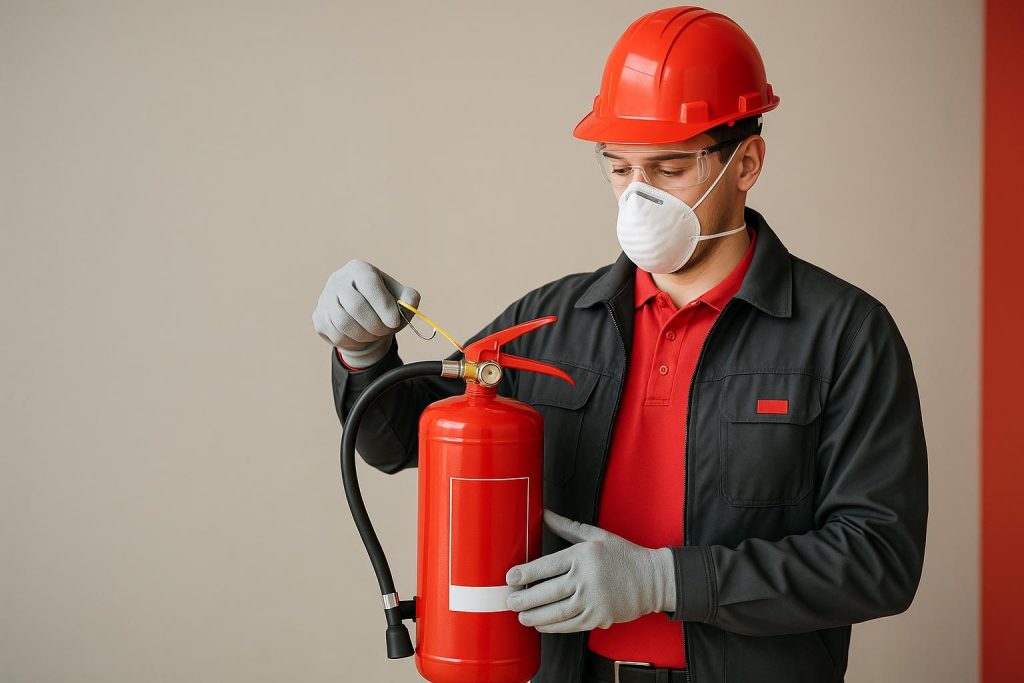
Using a Fire Extinguisher Properly for Safety and Compliance
Having a fire extinguisher close by can be a vital part of any effective fire protection strategy. Whether you own a commercial property, manage a residential building, or simply want to keep your workplace safe, understanding how to operate a fire extinguisher is an important responsibility. Proper use of these devices helps control smaller fires before they escalate, complementing broader life safety systems such as sprinkler systems and fire alarms.
Why Fire Extinguishers Matter
Fire extinguishers are often your first line of defense when a small blaze starts. They can buy precious time for building occupants to evacuate, limit damage to property, and reduce the risk of injuries. Although calling emergency fire services (such as your local fire department) is a must when a fire is beyond your capability or threatens to spread quickly, an extinguisher may control the situation while help is on the way.
Within significant commercial or industrial settings, code-compliant fire safety measures and system inspections and maintenance play a vital role in preventing major fire outbreaks. Certified technicians typically recommend having the right type of extinguisher and ensuring that everyone onsite has basic training in using them. This knowledge can be the difference between a localized issue and a devastating event.
Types of Fire Extinguishers
Not all fire extinguishers are the same. Each one is filled with a chemical agent designed to combat a specific type of fire. Selecting the wrong type can be ineffective or, in some cases, hazardous. Below are the common classes of fire extinguishers:
- Class A: Designed for ordinary combustible materials, such as paper, wood, cloth, and certain plastics.
- Class B: Used for flammable liquids, including gasoline, oil, and some types of paint.
- Class C: Formulated for electrical fires related to wiring, circuit breakers, and appliances.
- Class D: Targets combustible metals like magnesium and sodium. These are more common in industrial settings.
- Class K: Created for kitchen fires involving cooking oils and grease in commercial cooking environments.
Many multipurpose fire extinguishers handle Classes A, B, and C. These versatile devices are typically recommended for offices and homes. If your facility has multiple hazards, you may need different extinguishers to comply with local fire codes and industry standards. A full fire protection services plan should account for your unique risks, ensuring you have the proper extinguisher on hand and that your team understands how to use it.
Pre-Use Preparations
Before using a fire extinguisher, stop for a moment and assess the fire’s size and location. Make sure that:
- You have a clear, unobstructed evacuation route in case the fire spreads.
- You know how to operate the extinguisher.
- The extinguisher is fully charged and not damaged or expired.
- The fire department is contacted, especially if the situation could escalate.
Your safety and the safety of anyone nearby is paramount. Even a small fire can get out of hand fast, so remain calm, but be ready to leave the area if conditions worsen. Always trust your instincts; if something feels unsafe, exit immediately and let professional emergency fire services handle the situation.
Steps to Use a Fire Extinguisher — The PASS Method
A widely recognized and simple way to remember how to operate a fire extinguisher is the PASS method: Pull, Aim, Squeeze, and Sweep. While it sounds straightforward, walking through each step carefully can help ensure you use the extinguisher as intended. Here is a detailed look at each point:
- Pull the Pin: Every fire extinguisher has a pin near the top that keeps the handle from being accidentally pressed. Pulling this pin will break the tamper seal and release the handle, allowing you to discharge the agent. Pulling the pin correctly also helps you quickly respond in an emergency.
- Aim the Nozzle: Point the nozzle or hose at the base of the fire, not the flames themselves. Fires start with the fuel source, so targeting the base is key to controlling the blaze. Look for the seat of the fire and direct your aim there.
- Squeeze the Lever: Gently and steadily press the handle to release the extinguishing agent. Use caution, as the force can be surprising if you haven’t practiced with an extinguisher before. Smooth, controlled pressure ensures the agent is applied where needed.
- Sweep from Side to Side: Keep the extinguisher aimed low and move the nozzle gently from side to side until the flames appear to be out. Keep spraying even after the fire looks contained, as residual heat can cause re-ignition. Continue until you are sure the fire is fully subdued.
This four-step approach is a staple in fire safety training, including the training offered by many certified technicians who maintain life safety systems. By following these simple guidelines, you can maximize the extinguisher’s effectiveness.
When to Evacuate
Even if you start using the extinguisher effectively, there may come a point at which it is too dangerous to continue. Signs that it’s time to leave include:
- The fire is spreading rapidly or reaching flammable materials.
- You’re becoming overwhelmed by smoke or heat.
- You’re nearing the limits of the extinguisher, or it’s running out of agent.
- The fire continues to grow despite using the extinguisher properly.
In any of these cases, your personal safety comes first. Evacuate immediately, ensure others are safe, and let professional responders handle the situation. After the incident, consider scheduling system inspections and maintenance to verify that other fire alarm and suppression systems remain in top working order.
Maintaining Your Fire Extinguisher
No matter how well you know the PASS method, it’s crucial that the fire extinguisher itself is in good condition. Regular maintenance, inspection, and recharging (where applicable) keep the device ready for action. A few recommendations include:
- Monthly Checks: Inspect your extinguisher monthly, ensuring the gauge is in the correct range, the nozzle isn’t obstructed, and the pin is intact.
- Annual Inspections: Schedule a professional evaluation at least once a year. Certified technicians will open the unit if needed, check hoses, seals, and internal components, and confirm it meets fire code requirements.
- Recharge or Replace: Some fire extinguishers can be recharged after use, but others are disposable. Understand your device’s specifications and replace it or recharge it right away if it has been discharged, even partially.
- Avoid Damage: Store the extinguisher in a designated area known to staff or occupants. Make sure it’s mounted securely and protected from extreme temperatures or impacts.
Keeping your extinguisher up to date is just one facet of a broader life safety strategy. Advanced Fire Protection Services also provides regular Fire Extinguishers maintenance and inspection services to help ensure your property stays code-compliant. Properly maintained extinguishers, combined with well-designed fire alarm systems, can greatly increase your building’s readiness to address small fires safely.
The Role of Professional Fire Protection Services
Even the most vigilant business owners and facility managers can find it challenging to track all aspects of fire safety. From updating extinguishers and sprinklers to implementing specialized fire alarm and suppression systems, there are numerous considerations that go beyond basic extinguisher usage. This is where a reputable fire protection company can help.
Professional teams often provide services like:
- Design and Installation: For complex properties or specialized industries, customized design ensures the right fire safety plan is in place.
- Regular Maintenance: Certified technicians conduct routine checks, providing system inspections and maintenance to remain compliant with local regulations.
- Emergency Repairs: If a fire sprinkler or alarm malfunctions, rapid response can help prevent further risk or downtime.
- Compliance Checks: With changing codes and regulations, staying current ensures you meet legal obligations for occupant safety.
Working with a professional partner helps you develop and maintain a comprehensive strategy, going beyond just the basics of using a fire extinguisher. While an extinguisher can be effective for a small blaze, a complete plan — including robust alarm monitoring and advanced fire suppression technologies — provides more dependable protection for you and your property.
Advanced Fire Protection Services: Comprehensive Support
Based in Alberta, Advanced Fire Protection Services specializes in designing, installing, and maintaining a broad spectrum of services, including fire alarm systems, fire sprinklers, and portable fire extinguishers. Our certified technicians are well-versed in local fire codes and follow industry standards, ensuring all projects meet the safety benchmarks that protect lives and property. We recognize the importance of preparedness, so we offer:
- 24/7 Emergency Availability: Fires can happen at any time. We remain on standby so you always have a reliable resource to call.
- Tailored Solutions: Each facility is different, and we create customized plans that reflect unique hazards and building layouts.
- Code-Compliant Systems: We adhere to industry standards to help reduce liabilities and maintain legal compliance.
- Expert Guidance: Our professional team is ready to train your staff on extinguisher usage and general fire safety awareness.
Quality installation and proactive maintenance can make all the difference in containing a fire quickly and safely. We always encourage property managers and building owners to integrate a range of life safety systems in addition to portable extinguishers. By combining these measures with thorough staff training, you can significantly reduce hazards related to smoke, heat, and fire.
What to Do Next
If you are uncertain about your current fire extinguishers or suspect your building might not meet code requirements, consider arranging a consultation with professionals. A thorough site assessment highlights any gaps in your current setup, including extinguisher placement, occupant training, and alarm or sprinkler coverage. Addressing these areas proactively fosters a safer environment for everyone.
Once you and your staff have mastered how to use portable extinguishers, do not forget continual learning. Fire safety standards can change, so staying updated is crucial. Refreshing your knowledge and scheduling regular refresher demos can help keep your team’s skills sharp. Pairing this vigilance with system inspections and maintenance delivered by experts ensures a comprehensive safety net.
Conclusion
Learning to operate a fire extinguisher effectively is an important step toward maintaining a safe environment in any workplace, industrial facility, or residential complex. By familiarizing yourself with the PASS method — Pull, Aim, Squeeze, Sweep — and ensuring you choose the right extinguisher class, you can address small fires swiftly. Equally important, though, is supplementing that readiness with reliable fire alarm and suppression systems so that you are prepared for incidents of any scale.
For additional support, remember that professional fire protection services like those provided by Advanced Fire Protection Services can help ensure your fire safety plan covers every angle. From code-compliant installations to 24/7 emergency fire services, our certified technicians work to keep people and property safe. With a balanced combination of prevention, training, and proper equipment, you give yourself the best chance to contain a fire quickly while safeguarding the lives and well-being of everyone within your building.
