
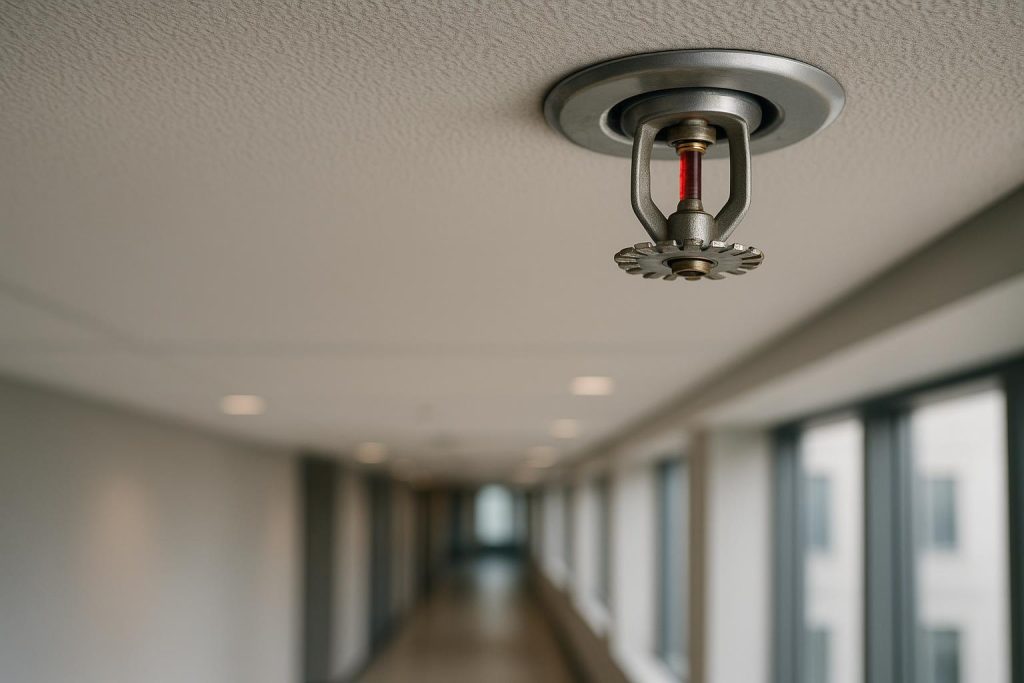
How Fire Sprinkler Systems Protect Commercial Buildings
Fire sprinkler systems are at the heart of many commercial fire protection services. When designed and installed correctly, these systems can contain or extinguish a fire before it grows large enough to cause major damage or threaten the lives of occupants. Whether you operate a warehouse, an office complex, or a multi-unit residential development, fire sprinklers play a central role in your life safety systems. Below, we will explore how these systems work, why they are indispensable in commercial environments, and how you can ensure they remain code-compliant and effective.
The Basics of Fire Sprinkler Systems
A fire sprinkler system might look like a basic network of pipes and sprinkler heads, but there is a great deal of engineering and design that goes into it. At its core, a typical system consists of:
- Water supply: A reliable water source, such as municipal water lines or a dedicated storage tank, feeds pressurized water to the fire sprinkler piping.
- Pipe network: The pipes are arranged throughout a building’s ceilings or walls to ensure complete coverage. They carry water directly to the sprinkler heads.
- Sprinkler heads: These specialized heads are heat-activated. Each head often has a glass bulb or fusible link designed to burst or melt at a specific temperature.
- Control valves and alarms: Control valves regulate water flow; fire alarm and suppression systems work in tandem to notify occupants and fire authorities when the system activates.
When fire or intense heat reaches the sprinkler head, the heat-sensitive element ruptures, allowing water to discharge. Contrary to popular belief, sprinklers do not all go off at once; only the heads near the fire activate. This targeted approach ensures minimal water damage and allows the fire to be contained quickly.
How Sprinklers Detect and Suppress Fires
Unlike smoke detectors, which react to airborne particles, a sprinkler system uses heat to trigger water flow. Once a room’s temperature crosses a certain threshold—often around 155 to 165 degrees Fahrenheit (68 to 74 degrees Celsius)—the sprinkler head opens. In this moment, water sprays in a controlled pattern over the fire and surrounding area, reducing temperatures and helping extinguish flames.
In commercial buildings, quick fire detection and suppression can mean the difference between a small localized incident and an extensive emergency. By releasing water at the precise spot where heat is present, sprinklers focus on containing the fire close to its source. This fast response can keep flames from spreading to adjacent rooms or floors, ultimately safeguarding property and lives.
Key Benefits in Commercial Environments
Installing code-compliant fire sprinkler systems in commercial buildings yields a range of benefits:
- Life safety: A functioning sprinkler system is often a key component of life safety systems. It reduces heat, smoke, and the spread of combustibles, giving occupants valuable time to evacuate.
- Asset protection: Even a brief blaze can cause thousands of dollars in damage if left unchecked. Fire sprinklers can limit structural harm, preserve equipment, and protect your investment.
- Compliance with regulations: Many local and national codes require businesses to install and maintain fire protection systems. Upholding these standards is not only a legal responsibility but also an ethical one.
- Lower insurance premiums: Insurance carriers often reward well-protected properties with lower rates, as the risk of extensive loss is reduced.
- Enhanced peace of mind: After hours, a sprinkler system continues to protect your building even when no one is present. This 24/7 readiness is especially critical for high-occupancy buildings like hotels, hospitals, or large offices.
Common Types of Commercial Fire Sprinkler Systems
While all commercial fire sprinklers share the same fundamental purpose, several system types cater to different building environments and fire risks. Understanding these distinctions can help you choose the most suitable design:
- Wet pipe systems: The most common type, wet pipe systems keep water stored within pressurized pipes. When a sprinkler head activates, water is released almost instantly.
- Dry pipe systems: In cold settings or areas prone to freezing temperatures, pipes are filled with pressurized air rather than water. When heat triggers a sprinkler head, air escapes first, allowing water to flow.
- Pre-action systems: These systems require two triggers—often a smoke or heat detector plus a sprinkler head activation—before water is released. They are frequently found in environments with sensitive equipment where accidental water discharge is a concern.
- Deluge systems: Designed for high-hazard areas, deluge systems feature open sprinkler heads that all activate simultaneously when a separate detection system senses fire. They are used when rapid flooding of an area is necessary.
Each type of sprinkler system is carefully tailored to meet the building’s operational needs and local fire codes. For instance, a storage warehouse might need a wet pipe system with higher water pressure to account for stacked combustible materials, while a specialized server room might opt for a pre-action system to protect electronic equipment from accidental water damage.
Ensuring Surrounding Systems Work in Harmony
A fire sprinkler system does not operate in isolation. It often integrates with fire alarm systems, fire extinguishers, and specialized fire suppression. Together, these elements form a robust network of commercial fire protection services. For instance, a linked fire alarm can alert occupants to evacuate the moment a sprinkler activates. Meanwhile, portable fire extinguishers are there for immediate use by trained personnel, helping to tackle smaller fires or smoldering hotspots.
Additionally, many commercial properties require emergency lighting and exit signage alongside their sprinkler systems. These components ensure that if smoke accumulates, people can still find safe exit routes. By coordinating multiple completion points—sprinklers, alarms, extinguishers, signage—commercial buildings can uphold comprehensive fire safety measures that align with life safety systems requirements.
Installation and Design Principles
Designing a fire sprinkler system in a commercial building is a methodical process that typically starts with a detailed risk assessment. A fire protection professional reviews building size, layout, occupancy type, and stored materials. They may also account for factors like air circulation, ceiling heights, and temperature control systems. With these details, they can determine accurate water flow and pressure requirements, as well as the ideal spacing for sprinkler heads.
During installation, certified technicians will run a network of pipes throughout your structure. They carefully position and test each sprinkler head to ensure proper coverage. Depending on local codes, the system might require an on-site water storage tank or dedicated fire pump to increase water pressure. By following recognized standards—such as those set by the National Fire Protection Association (NFPA)—the finished system offers code-compliant protection that helps ensure occupant safety.
System Inspections and Maintenance
Even the most advanced sprinkler system needs consistent care to remain effective. Regular system inspections and maintenance are vital to verify that all components are working correctly. Common tasks include checking control valves, ensuring sprinkler heads are free from dust or obstruction, verifying water pressure, and inspecting pipes for leaks. In many jurisdictions, periodic inspections are mandatory and must be performed by certified technicians who can spot and correct potential issues before they become emergencies.
Expert inspections often coincide with routine fire alarm system checks and other fire protection services. When performed together, these evaluations help keep your overall fire safety plan functioning at top performance. Should any deficiencies be identified, timely repairs help you avoid fines, mitigate safety risks, and maintain your property’s insurance coverage.
Why Code Compliance Matters
Legal codes and regulations surrounding commercial fire sprinkler systems are not arbitrary. They reflect decades of knowledge and incident analysis, designed to protect building occupants from harm. Non-compliance can lead to severe financial penalties or jeopardize insurance coverage. Worse yet, neglecting proper safety standards can put employees, customers, and other occupants at risk.
Staying code-compliant also demonstrates a business’s commitment to occupant welfare and community safety. For many organizations, a strong safety record can build trust among stakeholders and enhance the company’s reputation. Employing code-compliant fire alarm and suppression systems likewise showcases professionalism and responsible management.
Importance of Professional Guidance
Installing, inspecting, and maintaining a commercial fire sprinkler system is not a DIY project. An experienced fire protection company can guide you through design, installation, and follow-up service. They will often coordinate with local fire departments and ensure you remain compliant with frequent updates to fire regulations.
Look for providers that offer a full suite of fire protection services to maximize convenience and consistency. Beyond sprinklers, these companies might also handle fire alarm systems, fire sprinklers, fire extinguishers, or specialized suppression services. A single point of contact for all systems can streamline inspections, reduce the possibility of missed maintenance, and strengthen your emergency fire services plan.
Maintaining 24/7 Emergency Fire Services
Since emergencies can happen at any time, a trusted fire protection provider should offer 24/7 support and rapid response services. If a sprinkler head is damaged or a pipe bursts, there is no time to waste when it comes to preventing water or fire damage. Professionals who prioritize responsiveness can quickly dispatch certified technicians to repair or replace faulty parts, ensuring your business operations face minimal downtime.
Training Occupants on Fire Safety
While sprinklers are essential, knowledge and awareness among building occupants also go a long way in preventing major incidents. Regular fire drills, proper training in the use of fire extinguishers, and clear emergency exit routes can reduce confusion during a real emergency. Sprinklers will limit the spread of fire, but well-prepared employees or tenants can help minimize risk even further. You can incorporate short, comprehensive training that covers emergency protocols, identifying fire hazards, and responding quickly to alarms or sprinkler activations.
Securing Peace of Mind
From offices to industrial complexes, every commercial space benefits from a reliable sprinkler system. Whether you manage a property in Edmonton or a neighboring region, a code-compliant system not only keeps you aligned with local regulations but also protects the future of your business. A fast-acting fire sprinkler can prevent flames from escalating into a full-scale catastrophe, thereby safeguarding employees, tenants, and vital assets.
Part of securing peace of mind involves partnering with professionals who focus on thorough design, quality installation, and ongoing maintenance. Fire protection experts typically conduct on-site assessments, recommend the right type of sprinkler system, and perform rigorous testing. They also ensure that all work meets the local building and safety codes, allowing you to run your business confidently.
Integrating Fire Sprinklers with Other Safety Measures
For a holistic approach to fire safety, it is wise to integrate fire sprinklers with other essential measures. Fire alarm and suppression systems can be customized to communicate with each other. This might involve linking your fire alarm system to an off-site monitoring center, so authorities can be alerted the moment a sprinkler activates. It can also mean providing specialized fire suppression solutions—such as inert gas systems for sensitive data centers—that complement traditional sprinklers.
Remember, every second counts in an emergency. When sprinklers, alarms, extinguishers, and careful evacuation plans work together, your commercial property remains far more resilient against a range of fire hazards. You can also coordinate regularly scheduled drills to ensure occupants know exactly what to do when alarms sound or sprinklers engage.
Steps to Consider for Ongoing Safety and Compliance
Business owners and facility managers looking to optimize their sprinkler systems can follow these steps:
- Schedule routine inspections: Professional inspectors identify issues early, ensuring your sprinklers remain fully functional.
- Train your team: Conduct employee workshops on basic fire safety, how to use extinguishers, and what to do if sprinklers activate.
- Test and maintain other systems: Verify that emergency lighting, exit signage, and smoke or heat detectors are all working correctly.
- Stay updated on codes: Fire safety regulations evolve. Keep up with local requirements to ensure continued compliance.
- Have a backup plan: In higher-risk facilities, consider supplementary solutions like quick-release fire suppression or advanced alarm monitoring.
All these steps help reinforce a culture of safety, one that protects people, property, and business operations. A proactive mindset reduces the likelihood of unexpected failures or code violations and ensures a swift response when dangers arise.
Moving Forward with Confidence
Fire sprinkler systems form a crucial barrier against the destructive potential of fire. By rapidly activating at the source of heat, these systems often prevent a small incident from escalating into a life-threatening blaze. In any commercial building, sprinklers should be combined with system inspections and maintenance, ample occupant training, and a robust supporting cast of fire safety tools—such as alarms and extinguishers.
If you would like to learn more about professional design and installation of commercial fire sprinklers, schedule a consultation with experts who understand the unique demands of your business environment. Whether you have a sprawling warehouse or a small storefront, an experienced team of certified technicians can create and maintain fire safety solutions that align with local codes and best practices.
Taking an informed, proactive approach to fire protection services will keep your building prepared for emergencies at all times. By combining a quality sprinkler system with the right supplementary measures, you can focus on running your business with peace of mind, knowing that critical life safety systems are in place and ready to respond.
