
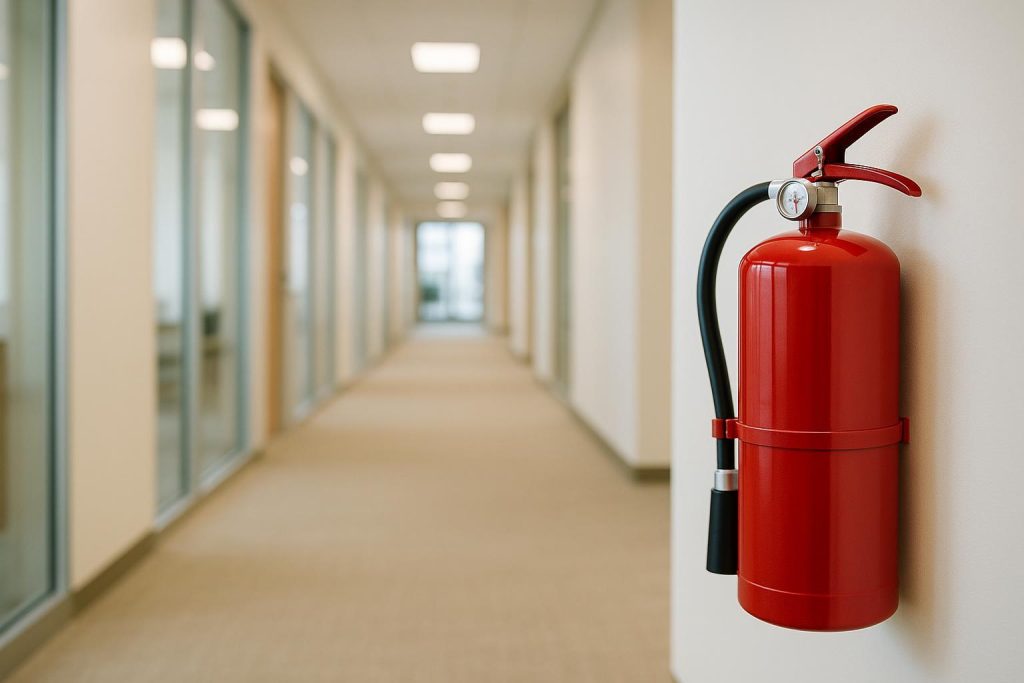
Understanding the Importance of Fire Extinguisher Servicing
Fire extinguishers remain a cornerstone of any code-compliant life safety system. These essential tools stand ready to combat unexpected flames, whether you manage a commercial property, industrial site, or multi-unit residential building. However, proper maintenance, which includes both regular inspections and timely servicing, is crucial for ensuring that an extinguisher will function correctly at the moment you need it most. Many building owners and facility managers wonder exactly how often fire extinguishers should be inspected or serviced. Below, we will take a deep dive into recommended intervals, legal obligations, and best practices to keep your extinguishers in optimal condition and aligned with fire protection standards.
In most regions, including across Alberta, fire codes clearly stipulate specific intervals for inspection. Often, these requirements involve mandatory annual inspections by certified technicians, as well as more frequent visual checks that building managers can perform on their own. Beyond following the law, a carefully maintained fire extinguisher helps ensure your employees’ or tenants’ safety and protects the building owner from significant liability. Keeping an extinguisher operational will also provide reassurance that your investment in fire protection services is paying off. By breaking down what is needed on a monthly, annual, and occasional basis, you can develop a routine that safeguards your property effectively.
1. Why Regular Fire Extinguisher Servicing Matters
Fire extinguishers have a single, vital job: to control or put out small fires before they escalate. If they are not maintained properly, they may fail when called upon. Sediment buildup, corrosion, accidental damage, temperature fluctuations, or a slow leak in the pressure gauge can all undermine extinguisher performance. Without routine checks, you might not detect these problems until it is too late. In addition, up-to-date inspections keep you compliant with local regulations so you can avoid potential fines or legal complications down the road. Ultimately, dependable extinguisher service helps fortify your entire life safety system, ensuring a first line of defense that can quell small fires quickly and safely.
Moreover, certain industries, such as hospitality, manufacturing, and food service, face unique fire risks—think grease fires in commercial kitchens or flammable materials in warehouses. Regular extinguisher servicing is even more critical in these environments due to the increased likelihood of ignition events. Taking a proactive stance on maintenance helps staff feel more secure, knowing that if a fire begins, they have a working extinguisher at their fingertips. As a facility manager or property owner, you can have confidence that your extinguishers will remain an integral part of a dependable fire protection plan.
2. The Monthly Visual Inspection
Between formal servicing visits, building managers or designated personnel should complete a visual inspection of each fire extinguisher at least once a month. During this check, confirm that the extinguisher is located in its designated spot and that no items are blocking access or visibility. Inspect its exterior for any signs of damage, including dents, cracks, or corrosion. Ensure the pressure gauge is in the green zone, indicating an appropriate charge level, and that the safety pin or tamper seal remains intact. If you spot any irregularities—such as a compromised seal or a gauge needle drifting into the red—take quick action by arranging for professional service or replacement.
These monthly checks are vital because they help you catch early warning signs of damage. Performing them not only meets many jurisdictions’ expectations but also helps build a safety culture within your organization. In high-traffic or high-risk areas, visual inspections might be even more frequent, depending on the recommendation of your certified technicians. Keeping a log of monthly checks is an excellent practice, reflecting that you take your responsibilities seriously and have a record to present during compliance audits.
3. Annual Inspections by Certified Technicians
While monthly checks can reveal a lot about an extinguisher’s basic condition, a thorough annual inspection is mandatory by law in most regions. A certified technician will ensure your extinguisher is in compliance with the latest fire codes. These professionals are trained to disassemble components if needed, verify that the chemical agent inside is properly pressurized, test the hose and nozzle, and look for subtle indicators of damage that might go unnoticed during a routine visual check.
Annual inspections may also involve more comprehensive tests, such as ensuring the gauge is accurate or performing hydrostatic testing on older units if regulations require it. If the extinguisher has been partially discharged, the technician can recharge it to restore functionality. When you keep up with these legally required annual checks, your overall fire protection services remain strong. Additionally, this consistent routine helps you budget for repairs or replacements, guaranteeing that every extinguisher on-site remains ready for emergency use throughout the year.
4. Situations That Require Immediate Servicing
- After Use: Even if only a fraction of the contents are discharged, the extinguisher’s pressure may be compromised. It is best to have it serviced right away to restore it to full functionality.
- Pressure Gauge Irregularities: If a monthly check shows that the needle is outside the green zone (right side red indicates overcharge, left side red indicates undercharge), the unit will need immediate servicing to correct pressure levels.
- Visible Damage or Corrosion: Any sign of rust, dents, a damaged hose/nozzle, or a missing safety pin means the extinguisher may not discharge properly. Prompt service is crucial.
- Manufacturer’s Timeline: Some extinguishers must be hydrostatically tested or replaced after a certain number of years. Follow the manufacturer’s instructions closely, as these guidelines exist to maintain reliability.
Regular upkeep and being attentive to these warning signs can help you avoid discovering too late that your extinguisher is nonfunctional. Staying ahead of major repairs saves money in the long run, extending the life span of your equipment and bolstering your facility’s preparedness.
5. Coordinating Fire Extinguisher Maintenance with Other Life Safety Systems
Fire suppression and detection systems work best when integrated into a cohesive strategy. If your facility also uses fire alarm and suppression systems—like fire sprinklers or kitchen hood suppression units—scheduling inspections and maintenance for all fire safety components simultaneously can be practical. By unifying your service appointments, you make the most of the visit from certified technicians, saving both time and costs. Furthermore, a well-coordinated approach simplifies recordkeeping, allowing you to demonstrate compliance on multiple systems during audits or inspections.
Many commercial property owners also recognize the advantages of professional fire protection services that include ongoing maintenance contracts. This can involve not only fire extinguishers, but also crucial life safety elements like alarm monitoring or emergency lighting and exit signage. By bringing these services under one umbrella, you streamline the entire process of ensuring your facility meets the highest safety standards. In turn, you provide a safer environment for employees, customers, or tenants. Collaboration with experienced professionals ensures every piece of equipment is up to code and stands ready to perform.
6. Ensuring Code Compliance and Avoiding Common Pitfalls
For many businesses, the complexities of local regulations and fire codes can be daunting. Some property managers discover issues only during an official inspection, which can lead to last-minute scrambles or penalties. A proactive stance—where you regularly schedule maintenance and keep an accurate record of each service—simplifies staying compliant. This not only prevents potential fines but also shows a commitment to upholding safety best practices. Keeping updated tags or logs on each fire extinguisher is standard procedure and typically required. Failing to do so can undermine compliance efforts, even if the equipment is otherwise in good condition.
Common pitfalls to avoid include overlooking seldom-visited areas like storage rooms, warehouses, or outdoor sites, where extinguishers may gather dust or rust unnoticed. Additionally, over-reliance on monthly in-house inspections without scheduling professional, annual maintenance often leads to overlooking deeper issues—like compromised seals or internal corrosion that requires disassembly to spot. Rather than waiting for the local fire marshal to catch these oversights, it pays to be proactive, ensuring that all extinguishers, wherever they are located, receive the care they need.
7. Building a Culture of Fire Safety
Fire safety culture involves more than just placing extinguishers around your property. It requires consistent education, training, and an organizational mindset that underscores the need for monthly checks, annual professional inspections, and timely servicing. Encourage your staff, especially supervisors or shift leads, to treat a loose gauge reading or damaged extinguisher as a priority item that demands swift action. By doing so, you reduce the chances of a small hazard turning into a major incident. You can also arrange for periodic fire safety drills, which remind everyone how to use extinguishers properly and reinforce a shared sense of responsibility.
Additionally, if you manage large or multi-site operations, standardizing your approach to fire extinguisher maintenance across all facilities will go a long way toward ensuring consistent safety. Develop checklists or digital logs that can be easily updated by on-site staff and reviewed by upper management. When it comes to emergencies, consistent training and well-maintained equipment can mean the difference between a swift resolution and a situation that spirals out of control in minutes.
8. Working with Professional Fire Protection Services
Finding a trustworthy partner for servicing your fire extinguishers and other critical safety systems is crucial. Trained, certified technicians bring expertise you can rely on to identify subtle issues, conduct accurate pressure checks, and recommend replacements when needed. At Advanced Fire Protection Services, for example, certified technicians work with a variety of extinguishers and integrate that work with other life safety systems. This way, you can rest assured every piece of equipment, from handheld units to sprinkler systems, has been vetted to meet the necessary codes and performance standards.
When you align your fire extinguishers with professional inspection schedules, you also gain access to specialized advice. Professionals address concerns unique to your environment, whether it is a commercial kitchen, industrial plant, or warehouse storing hazardous materials. They might recommend more frequent inspections, specialty extinguishers suitable for your business type, or complementary services like fire alarm system monitoring. Ultimately, the goal is a robust, interconnected network of safety measures tailored to mitigate the specific risks your facility faces.
9. Final Thoughts on Maintaining Your Fire Extinguishers
A solid extinguisher service plan entails frequent visual checks, annual professional inspections, and immediate servicing whenever an issue arises. This ongoing effort creates a safer environment for everyone, bringing peace of mind and helping you remain compliant with legal requirements. Whether you oversee a bustling commercial building or a small office space, the principle remains the same: a properly maintained extinguisher can catch a developing fire before it causes significant harm or property damage.
If you are interested in consolidating your system inspections and maintenance—or if you simply need professional input on maintaining your fire extinguisher—consider reaching out to dedicated experts. Contact us if you have questions, want to schedule an inspection, or desire tailored advice on best practices for your facility. By collaborating with experienced professionals, you place fire safety at the forefront of your building’s priorities, ensuring that both occupants and assets remain safeguarded against potential emergencies. Investing in regular servicing and making fire safety a shared responsibility is one of the most effective steps you can take to protect your occupants and promote a stable, secure environment for years to come.
