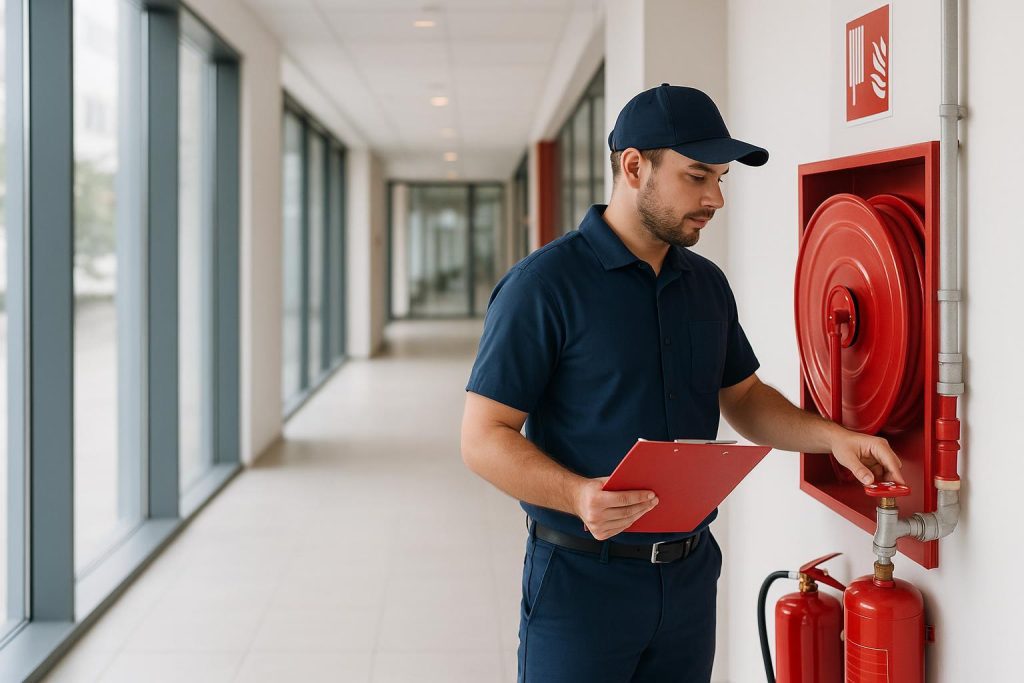
How often do you need a fire safety inspection?

Technician performing a commercial fire safety inspection near fire-rated drywall.

Understanding Fire Safety Inspection Frequency

Knowing how often you need a fire safety inspection is crucial for maintaining a secure environment, whether you oversee a busy commercial complex or manage a smaller property. In many regions, local fire codes and insurance requirements dictate that key protective systems, such as fire alarm devices, fire sprinklers, and extinguishers, undergo annual or semi-annual evaluations to verify functionality. These inspections ensure that your equipment can respond effectively in an emergency and help you avoid unexpected fines or liabilities. Because regulations can vary by jurisdiction, it is essential to review local requirements and consult professionals who specialize in code compliance.

Beyond these mandated checks, certain facilities may require more frequent or specialized inspections. For instance, properties handling hazardous materials might need quarterly reviews to confirm that fire suppression systems and other critical components function correctly. Additionally, if your building incorporates passive fire protection elements, such as fire rated drywall, you should regularly assess their condition to ensure they remain in compliance with safety standards. Even modest damage or wear in these barriers can compromise your overall fire-resistance rating. Scheduling periodic site walkthroughs helps identify potential risks before they escalate into costly repairs.

When determining your inspection schedule, it is wise to consult with certified technicians who can tailor a plan to your unique operational needs. They can help coordinate services like Fire Protection Services and provide in-depth guidance on staying code-compliant year-round. These experts may also offer routine maintenance checks for key systems, from fire extinguishers to complex fire suppression technology. By taking a proactive stance, you not only protect occupants and valuable assets but also demonstrate a commitment to safety—an attribute appreciated by clients, employees, and inspectors. If you have questions about scheduling or code requirements, feel free to contact our experts for personalized recommendations. Staying informed and prepared will ensure that your building remains safe, efficient, and compliant.

Related FAQs

Key Steps for Installing Fire-Rated Drywall Fire-rated drywall offers an extra layer of protection in residential, commercial, and industrial buildings by slowing down the spread of flames and smoke during a fire. Whether you are planning a new build or retrofitting an existing structure, it is crucial to follow local building codes and manufacturer recommendations […]

Key Differences Between Fire-Rated Drywall and Standard Drywall Fire-rated drywall, often referred to as Type X or Type C, is specifically engineered to help slow or prevent the spread of flames and smoke during a fire. Whereas standard drywall is primarily designed for basic interior finishing, fire-rated drywall includes stronger additives like fiberglass and other […]

Common Fire Panel Problems Property owners and facility managers often have questions about the most common issues affecting a fire alarm panel. A reliable fire panel is crucial for early detection, timely alerts, and compliance with safety regulations. However, like any piece of technology, panels may experience setbacks that require attention and professional servicing. One […]

Essential Backup Power Requirements for a Fire Alarm System When installing or upgrading a fire alarm system, ensuring that it has reliable backup power is absolutely critical. In many regions, building and fire codes specify that a fire alarm panel must have two sources of power: a primary source such as a commercial utility connection, […]

Essential Considerations for Locating Your Fire Alarm Control Panel The placement of your fire alarm control panel is critical to ensuring both code compliance and effective emergency response. In an emergency situation, every second counts, so having the panel located in an accessible and visible area aids first responders and facility personnel alike. Many local […]

How Dust Particles May Trigger a Fire Alarm It might seem surprising, but the answer to the question “Can dust particles set off a fire alarm?” is yes. Fire alarm systems are designed to detect minute changes in the environment, especially the presence of smoke or sudden increases in temperature. While dust is not smoke, […]