
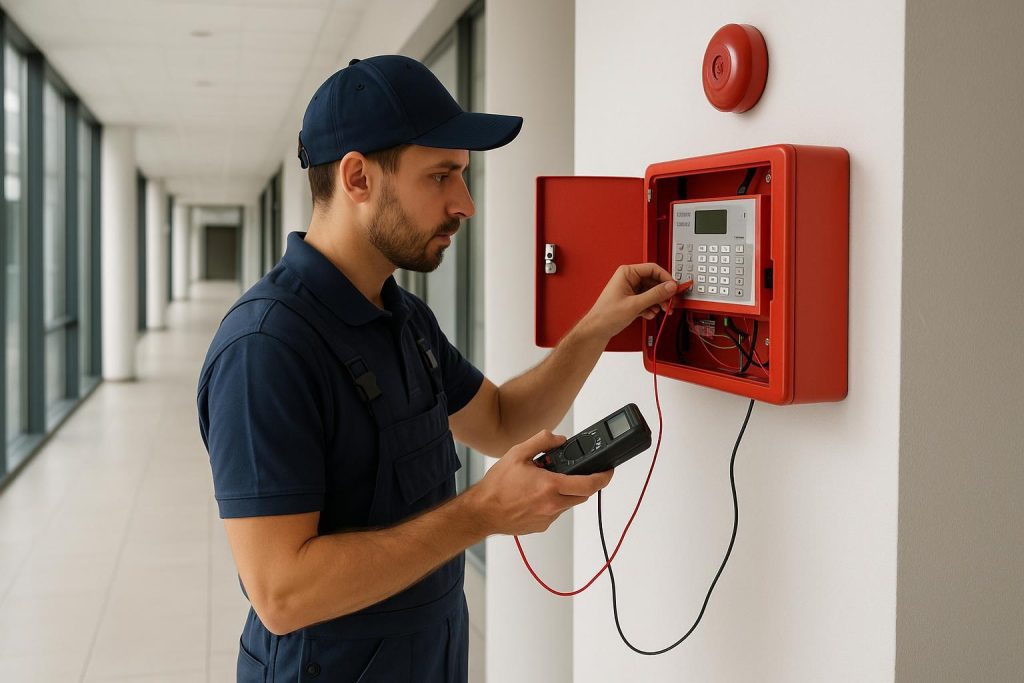
Understanding Proper Fire Alarm Testing Frequency
Fire alarms are crucial components of any organization’s life safety systems, designed to detect the early stages of a fire and sound an alert to occupants with enough time to evacuate safely. Regular testing is an indispensable part of ensuring these systems work correctly year-round. Whether you oversee a small business or manage a multi-floor industrial complex, you have both a legal obligation and a moral responsibility to keep your fire alarm system in top condition. To accomplish this goal, you need a comprehensive understanding of when, why, and how to conduct routine testing. Below, we delve into recommended best practices, relevant regulations, and practical guidance to help maintain your fire alarm system’s reliability.
Why Fire Alarm Testing Is Essential
Fire alarm systems serve as the cornerstone of building safety and occupant protection. In the event of a fire, the alarm system detects smoke or heat and triggers an audible and/or visual alert. This timely alert allows occupants to evacuate swiftly, reducing injuries and potential loss of life. Beyond compliance with local fire codes, consistent testing ensures that every device, sensor, and component is ready to perform in an actual emergency. This vigilance also helps you prevent minor issues from becoming significant problems that could compromise safety.
Regular testing goes hand in hand with other fire protection services, such as fire sprinklers, fire suppression, and emergency lighting inspections. Collectively, these systems form a layered defense against hazards, and each must operate at peak performance to provide seamless coverage. By consistently testing your fire alarm system alongside other safety measures, you’re upholding the core principles of any comprehensive risk management plan.
Recommended Testing Schedules
The frequency of testing depends on several factors, including the specific type of alarm system you operate, the local regulatory requirements in your jurisdiction, and the environment in which your equipment is installed. While many safety authorities recommend annual inspections as a baseline, most building owners and managers find themselves performing or scheduling more frequent checks throughout the year. Here are some general guidelines:
- Weekly or Monthly Testing: In certain high-risk or very large facilities, weekly or monthly checks may be required, especially if local laws or insurance policies demand it. During these checks, you might conduct basic functional tests of detectors, pull stations, or control panels.
- Quarterly Testing: Larger buildings or those with more complex fire alarm and suppression systems often benefit from a quarterly schedule. Each quarter, certified technicians can verify that major system components (including control panels, audible alarms, and a sampling of detectors) are functioning properly and that there are no signs of tampering.
- Annual Inspections: Most jurisdictions mandate a comprehensive annual review for code-compliant maintenance. During an annual inspection, every detector, strobe light, and annunciator panel is tested to ensure it’s fully operational. This is also the time to consider advanced tasks like checking wiring integrity and replacing any batteries in backup power supplies.
- Biannual or Additional Tests: In particularly challenging environments—industrial sites with high dust levels or places where temperature and humidity vary significantly—some professionals may advise more frequent testing. The goal is to ensure that environmental factors aren’t affecting the alarm’s sensitive components.
Always consult your local fire regulations to determine the exact frequency mandated in your area. Alternatively, you can reach out to fire alarm professionals for guidance on creating a custom inspection schedule.
Regulatory Requirements and Standards
Many areas follow national and provincial fire codes, which outline the minimum requirements for system inspections and maintenance. These regulations extend beyond just fire alarms and may include other forms of life safety systems like sprinkler systems, emergency lighting, and even fire suppressants such as kitchen hood systems. By aligning your testing schedule with these regulations, you ensure three critical outcomes:
- Legal compliance: Non-compliance with fire codes can result in fines, insurance complications, or even forced closures. By proactively adhering to testing schedules, you avoid costly penalties.
- Safety assurance: Compliant testing protocols serve as a safety net. They confirm that your fire alarm system can detect and handle an emergency at a moment’s notice.
- Long-term reliability: Well-maintained systems tend to last longer, ultimately saving money on repairs or premature replacements. Routine checks identify issues early, allowing swift corrective measures before a small fault escalates into a major malfunction.
Specific standards may vary from one region to the next, so it’s best to partner with certified technicians who understand local codes and how to keep a fire alarm system code-compliant. This approach provides peace of mind, along with the added benefit of creating a detailed testing record for insurance, audits, and internal reviews.
Steps in Conducting Frequent Fire Alarm Testing
By breaking down the testing process into clear steps, you can better manage the task and minimize disruptions. Here is an overview of the most common steps involved:
- Pre-Test Notification: Before testing, inform occupants, staff, and your fire alarm monitoring center that you will be conducting a test. This prevents false alarms and confusion.
- Visual Inspection: Begin by performing a visual sweep of the system components. Check for signs of damage, tampering, or buildup of dust and debris. Even small particles on detector sensors can reduce sensitivity.
- Functional Testing: Activate the alarm system from one or more initiating devices, such as pull stations or sensors, to verify the central panel’s response. Listen for the alarm’s volume and pitch to be sure it is operating correctly. When possible, check the strobe lights and annunciator panels as well.
- Control Panel Checks: Open the control panel to confirm no error messages are being displayed. Pay close attention to power supply levels, battery backups, and the condition of fuses and other electronic components.
- System Reset: Once the test concludes, reset the alarm system and verify that it returns to normal operating conditions with no lingering trouble codes.
- Proper Documentation: Document every test, including date, time, technician name, and any detected issues or corrective actions taken. Accurate documentation is typically required by local authorities for audits.
Following a systematic approach helps you remain organized and demonstrates due diligence if regulatory authorities request proof of maintenance. Where needed, consult with professionals who provide dedicated system inspections and maintenance for more complex setups.
Common Challenges and How to Address Them
Even well-run operations can encounter obstacles during fire alarm tests. Below are some common challenges you might face and potential solutions:
- Disruption to Daily Operations: Alarm tests can disrupt workflow and occasionally cause confusion for staff and customers. Consider scheduling tests outside of peak hours, or notifying all relevant parties in advance to minimize inconvenience.
- Inconsistent Testing: A single missed test window can snowball into multiple oversights throughout the year. To prevent this, implement a clear schedule and automated reminders.
- Faulty Devices: With regular testing, you may uncover faulty detectors or other devices that don’t trigger the alarm as intended. Immediate replacement or repair of these components is crucial to maintain system reliability.
- Lack of Expertise: Many building managers, especially those new to their roles, may not have the expertise to conduct in-depth troubleshooting. In these cases, it’s wise to partner with certified technicians who can perform detailed inspections and ensure your alarms remain fully functional.
Who Should Handle Fire Alarm Testing?
Depending on your building’s structure and the complexity of your fire alarm and suppression systems, you can select one of the following approaches:
- In-House Teams: For simple systems, trained in-house facility teams can handle routine checks like weekly or monthly functional tests. However, ensure they have the necessary training to complete these tasks safely and accurately.
- Professional Service Providers: In many commercial or industrial setups, the best practice is to hire a certified fire protection services provider. These experts have in-depth knowledge of local codes, advanced testing tools, and the technical background to diagnose hidden issues. Collaborating with professionals often includes more comprehensive services like fire alarm system monitoring, fire sprinklers, and fire extinguishers maintenance, creating a unified approach to safety.
Choosing the right approach for your situation ensures that you strike the right balance between regulatory compliance, efficiency, and occupant well-being.
Integrating Fire Alarm Testing Into an Overall Fire Safety Strategy
Fire alarm testing does not stand alone. It integrates with ongoing fire prevention and emergency planning efforts that might also include:
- Fire Suppression Systems: Installing and regularly inspecting fire suppression components—like kitchen hood systems or special clean agent systems—ensures quick containment of a fire at its source.
- Exit Routes and Signage: Keep exit signs illuminated and emergency lighting operational. During a fire, rapid evacuation depends on clear, well-lit routes.
- Staff Training: Train your employees to respond swiftly to fire alarms. Basic fire extinguisher knowledge, evacuation drills, and familiarity with pull alarm stations empower them to act confidently.
- Communication Plans: Ensure everyone within your organization knows what to do when the alarm sounds. Establish a simple chain of command for reporting through official channels, like emergency fire services or local authorities.
By merging frequent fire alarm checks with a robust safety strategy, you maintain a holistic approach, guaranteeing that each layer of defense works in synergy.
Key Takeaways: Frequency and Best Practices
In most cases, a company should test its fire alarm system at least once a year, with many opting for more frequent check-ups—quarterly or monthly—depending on facility size, occupancy levels, and existing regulations. Thorough and routine tests confirm that your fire alarm system remains responsive and code-compliant. This safeguards the well-being of your staff, tenants, and visitors, while also protecting your business from fines, closures, or insurance challenges.
Remember these essential best practices:
- Conduct regular, scheduled tests to ensure your equipment continues working at full capacity.
- Document each test for proof of compliance and for future reference.
- Address any discovered faults immediately by repairing or replacing malfunctioning components.
- Train your staff to respond calmly and correctly during alarms and emergency fire services interventions.
- Coordinate your testing schedule with other system inspections and maintenance procedures, including checking fire extinguishers and fire sprinkler systems.
Where to Find Additional Resources
If you have unique challenges—such as highly sensitive environments or industrial settings that produce a lot of airborne debris—consider consulting with certified technicians who specialize in designing and servicing fire alarm and suppression systems. These professionals can tailor testing frequencies and methods to your particular building needs. You can also reference relevant associations or local fire authorities for official guidelines that specify mandatory inspection timelines in your region.
Fire alarm testing, while often overlooked, remains a fundamental element of a complete life safety plan. Integrating regular checks into your overarching fire protection services ensures that your systems remain fully functional and ready to perform under pressure. Through properly scheduled testing, diligent maintenance, and consistent compliance with local fire codes, your organization can maintain the highest possible level of safety. Ensuring that your fire alarm system is reliable and up to standard not only offers peace of mind—it also underscores a commitment to the well-being of everyone who enters your facility.
