
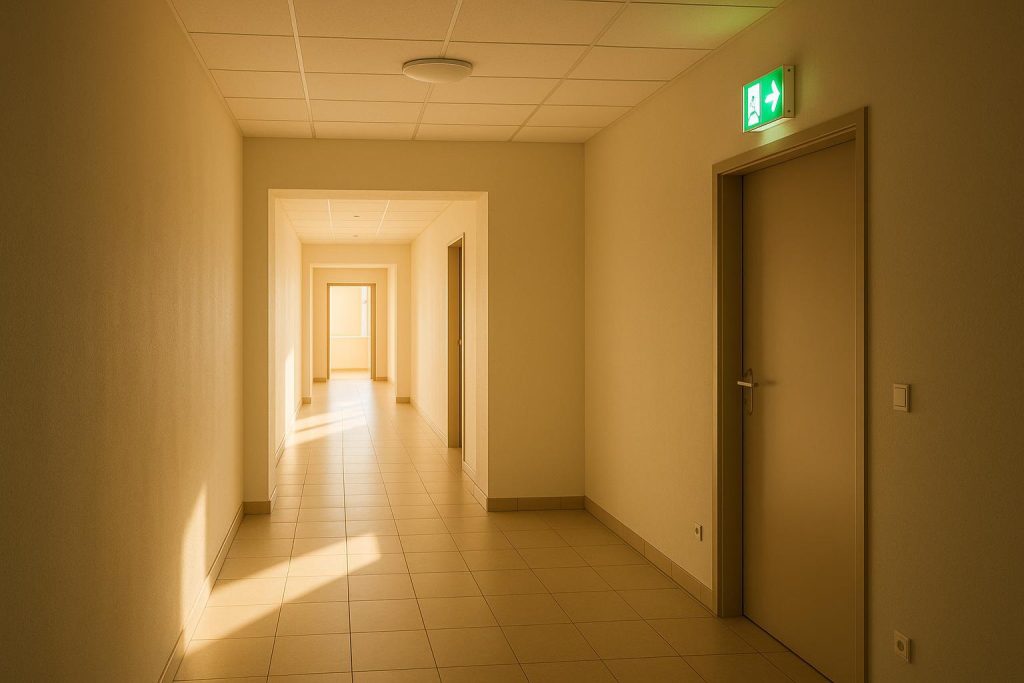
The Importance of Regular Emergency Lighting Tests
Emergency lighting is a critical component of any building’s life safety systems. When a power outage or crisis occurs, properly functioning emergency lights help guide occupants to exits quickly and safely, reducing panic and confusion. It’s not only good practice to ensure these systems work; in many jurisdictions, including Alberta, certain testing and documentation are also mandatory for code compliance. Below, we’ll dive into the essentials of testing emergency lighting, explain the differences between monthly and annual checks, address key regulatory requirements in Alberta, and offer practical tips to help facility managers stay on top of this vital responsibility.
Why Emergency Lighting Matters
An emergency lighting system is designed to illuminate exit corridors, stairwells, and other critical pathways in times of crisis. Whether it’s a sudden power failure, fire, or natural disaster, the goal is to make sure people can see well enough to exit the building safely. This is part of a larger web of fire protection services and life safety systems aimed at safeguarding lives. If the emergency lights fail, occupants may struggle to find the correct exits or navigate challenging environments, increasing the risk of injury.
Because of this central role in occupant safety, emergency lighting requirements are strict. Municipal codes, such as the Alberta Building Code and the Alberta Fire Code, outline the necessary lighting levels, coverage, and battery duration that must be met. Falling short of these requirements can lead to fines or legal liabilities. Even more concerning, it could contribute to life-threatening situations if the worst does happen. From office buildings to industrial facilities and healthcare institutions, every property must ensure emergency lighting is functional at all times.
Monthly Testing
The 2-Minute Test
The most common interval for emergency lighting checks is monthly. Many local and national fire codes require property owners or managers to conduct a brief test each month. This process often involves simulating a power outage by turning off the main power switch or pressing the test button on the lighting system’s control panel. The objective is to verify that every emergency light illuminates for at least 2 minutes. Although 2 minutes may sound short, it’s enough time to detect faulty bulbs, weak batteries, or other malfunctions.
Maintaining a Testing Log
Keeping accurate records of these monthly tests is essential. Fire inspectors or other authorities may request documentation to verify that the building is consistently up to code. While some building managers use basic logbooks, others adopt digital solutions to track each test. Whichever method you choose, consistency and thoroughness in record-keeping can help avoid potential compliance issues. If a light fails the test, take note of the date, the issue, and the corrective action taken.
Annual Testing
The 30-Minute (or Longer) Test
Beyond monthly checks, most fire codes demand an annual test—one that typically runs for 30 minutes. In certain situations, local jurisdictions or specific building types may even require a 90-minute test. However, Alberta guidelines reference a 30-minute test as a standard for many facilities. During this extended test, the emergency lighting system must operate continuously under simulated power failure conditions for the specified duration without significant dimming or loss of function. This is generally best conducted by certified technicians who are trained in battery and lamp performance assessments.
Verification of Overall Reliability
Annual inspections go beyond simply looking for burned-out bulbs. It’s also an opportunity to identify deeper issues, such as weakened batteries nearing the end of their life span, corrosion, or wiring problems that could interfere with code-compliant performance. Certified technicians will often use specialized equipment to measure voltage output, battery condition, and overall illumination levels. If necessary, they can replace batteries, lamps, or even entire fixtures to ensure your system meets life safety requirements year-round.
The Role of Professional Inspections
While many building owners and managers handle the monthly tests themselves, the annual inspection is typically best left to experts. Professionals have the knowledge to identify subtle indicators that a system may be prone to future failure. They also understand the intricacies of the building code, ensuring that your emergency lighting setup meets or exceeds the mandated minimum standards. Certified technicians can often address issues with emergency lighting as part of broader system inspections and maintenance that might include fire alarm and suppression systems, as well as other life safety equipment.
Partnering with a reliable fire protection services provider ensures that you have a single point of contact who understands your building’s unique needs. They can help you streamline everything from scheduling routine emergency lighting tests to coordinating major overhauls when systems near obsolescence. This ongoing partnership helps you remain compliant, confident, and prepared for any emergency event.
Common Places Requiring Emergency Lighting
- Commercial Buildings: From offices to shopping centers, codes typically mandate emergency lighting in high-traffic areas such as hallways, lobbies, and stairwells.
- Residential Buildings: Multi-family buildings—apartments, condominiums—must have illuminated exit corridors and other points of egress so residents can evacuate quickly.
- Educational Institutions: Schools and universities must ensure students, faculty, and visitors can navigate hallways, classrooms, and auditoriums if power fails.
- Healthcare Facilities: Hospitals, clinics, and nursing homes serve vulnerable populations who might have mobility challenges. Reliable emergency lighting is essential here.
- Industrial Facilities: Factories and warehouses can be large, complex spaces, often filled with equipment. Emergency lighting is vital for safe evacuation and accident prevention.
Across Alberta, including areas like Edmonton, St. Albert, Leduc, and other communities, codes generally reflect similar guidelines to ensure consistent safety standards. Always confirm with your local authorities, as requirements may vary depending on the nature of your operation or the type of occupancy.
Signs Your Emergency Lights May Need Attention
Maintaining a proactive approach can save significant time and expense. Some signs that your emergency lighting might be on the brink of failure include:
- Persistent flickering or dimming
- Unusual humming or buzzing sounds
- Fixtures that feel excessively hot or have visible damage
- Batteries not holding a charge past a short interval during disconnection
- Indicators or warning lights staying lit on the control panel
Never ignore these red flags. If a monthly test reveals a persistent issue, schedule a service call promptly. This proactive approach not only helps comply with the Alberta Fire Code but also reduces the risk of faulty equipment endangering occupants during an actual emergency.
Creating a Maintenance Routine
Implementing a comprehensive schedule will keep tests and maintenance tasks from slipping through the cracks:
- Establish Clear Responsibilities: Assign staff members within the building management team specific roles for the monthly test. Provide training so they understand how to activate and assess the emergency lights properly.
- Use a Checklist: Develop a standard document that outlines each fixture location, testing date, and method of inspection. An organized checklist ensures no area goes unnoticed.
- Document and Report: Keep detailed records of each test to demonstrate compliance and catch trends. If an issue resurfaces repeatedly, it may be time for a more thorough inspection or a system upgrade.
- Annual Professional Evaluations: Enlist certified technicians for the 30-minute (or required) annual test and any significant repairs. Their expertise in code-compliant maintenance goes a long way in preventing costly liabilities.
Beyond Emergency Lighting
Emergency lighting is one pillar of a total fire and life safety approach. Ensuring all related systems function together seamlessly can reduce response times and mitigate risks. For instance, integrating Fire Alarm System Monitoring can provide an extra level of oversight by alerting first responders quickly if a power outage is accompanied by a separate emergency, such as smoke detection. Likewise, routine upgrades or replacements of Fire Extinguishers and Fire Sprinklers help protect your property comprehensively.
When all these elements—emergency lighting, fire alarms, extinguishers, and suppression systems—are working collaboratively, you can feel confident that your building is better prepared for unexpected situations. Regular testing of each component fosters a safer, more secure environment for occupants and visitors alike.
Staying Compliant and Prepared
Fulfilling monthly and annual testing requirements may seem time-consuming, but the stakes are simply too high to leave emergency lighting to chance. Clear, well-lit exits can be a literal lifesaver in a high-pressure evacuation scenario. By routinely conducting short checks on your own and scheduling annual professional testing, you not only fulfill your legal obligations but also reduce needless risks. This diligence sends a positive message to employees, customers, and community members, reinforcing your commitment to their well-being.
Should you need support or guidance beyond test schedules, consider collaborating with a team of certified technicians who specialize in life safety systems. When in doubt, reach out for an expert opinion—especially if you encounter complex wiring problems or repeated malfunctions. In Alberta and surrounding regions, there are providers readily available to perform comprehensive fire protection services, from emergency lighting inspections to Fire Suppression Services. This proactive approach ultimately saves you time, money, and worry while ensuring your building’s emergency lighting remains a steadfast safeguard for everyone inside.
Key Takeaways
- Perform a 2-minute test on all emergency lights each month to confirm they switch on and stay lit under simulated power failure conditions.
- Document these checks accurately, noting any issues and corrective actions, to stay compliant with local codes.
- Schedule an annual test (30 minutes or more) by qualified professionals to confirm your lights remain operational for an extended duration.
- Be proactive: address flickering lights, battery concerns, or other warning signs immediately to prevent larger problems down the line.
- Sustain a comprehensive fire protection strategy, integrating emergency lighting with alarms, extinguishers, sprinklers, and, if relevant, monitoring systems for the highest level of safety.
In the end, reliable emergency lighting is more than just a box to check—it’s about safeguarding lives. By proactively testing and maintaining these systems, you ensure your occupants can navigate an emergency situation with confidence. Whether you oversee a bustling shopping center, a busy warehouse, an educational campus, or a healthcare facility, investing in regular emergency lighting checks is a crucial step toward maintaining a code-compliant, secure environment.
