
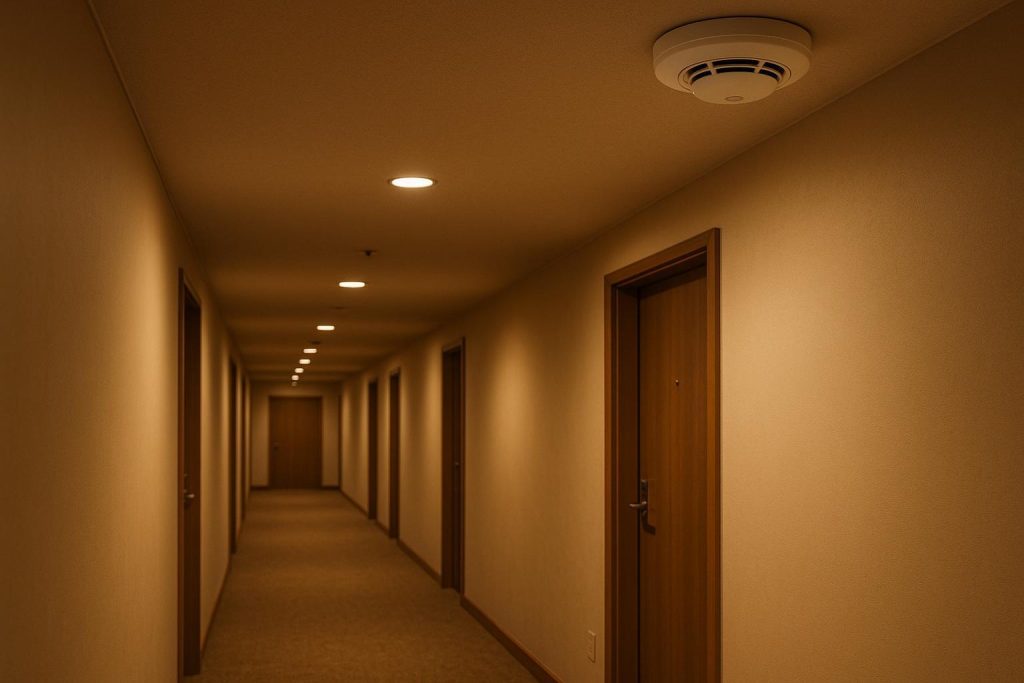
Understanding the Difference Between a Fire Alarm System and a Smoke Detector
Fire safety equipment is critical to protecting lives and property in any environment, from commercial buildings to private residences. Two of the most commonly discussed fire safety components are smoke detectors and fire alarms. While the terms are sometimes used interchangeably, they actually refer to distinct pieces of a larger life safety system. Below, we'll explore how a smoke detector functions, how a fire alarm system operates, and why each element plays a unique role in safeguarding occupants and property. By the end, you'll have a thorough understanding of both devices, their differences, and the importance of a comprehensive, code-compliant fire protection plan.
What Is a Smoke Detector?
A smoke detector is a device designed primarily to detect the presence of smoke, a common early indicator of potential fire. It's an essential first line of defense that lets you know something is burning before flames have a chance to grow and spread. When properly installed and maintained, smoke detectors can buy valuable time for individuals to exit the building safely or to investigate and respond appropriately.
Key Functions of a Smoke Detector
- Early Warning: Smoke detectors continuously sample the air for signs of smoke. If smoke enters the detector's sensing chamber, it triggers an internal alert. This is usually a continuous beeping that helps occupants become aware of smoke, often before flames become visible.
- Simplicity: Many smoke detectors operate independently. They're usually battery-powered (or sometimes hardwired with battery backup) to ensure they continue functioning, even during a power outage.
- Cost-Effective: Most residential and small commercial buildings use standard smoke detectors because of their affordability and ease of installation.
- Varied Technologies: Smoke detectors often use ionization or photoelectric sensors. Ionization detectors are better at detecting fast-flaming fires, while photoelectric detectors are more effective at recognizing slow, smoldering fires. Some devices combine both technologies for broader coverage.
Because of their simplicity, smoke detectors are an important but narrow-focus piece of a life safety system. Their main job is to detect smoke and sound a localized alarm to alert anyone within earshot of the detector. These devices don't suppress the fire, nor do they typically communicate with a larger network beyond their immediate environment (unless deliberately interconnected). By themselves, smoke detectors only provide a direct warning but cannot relay a signal to external monitoring centers or automatically contact emergency responders. For more advanced features, you need to integrate them into a more sophisticated fire alarm system.
What Is a Fire Alarm System?
A fire alarm system is more comprehensive, involving multiple interconnected devices that detect fire, alert occupants through a loud and often building-wide alarm, and sometimes notify off-site monitoring stations or local fire authorities. A fire alarm can receive signals from smoke detectors, heat detectors, manual pull stations, sprinklers, and other fire protection equipment. Once a triggering device detects a hazard, the fire alarm activates a centralized warning to alert everyone on the premises. Some fire alarms even dispatch a signal to emergency fire services or an internal security desk, depending on how it is programmed and whether it is externally monitored.
Key Functions of a Fire Alarm System
- Centralized Monitoring: Unlike standalone smoke detectors, a properly configured fire alarm system monitors multiple detection devices. If one sensor detects smoke, heat, or other triggers, the main panel registers it and activates alarms throughout the facility.
- Building-Wide Alerts: By leveraging fire alarm control panels, strobes, horns, and speakers, fire alarms ensure all occupants (including those who may be in other rooms or floors) become aware of the potential danger.
- Integration with Other Systems: A fire alarm system can tie into fire suppression systems such as sprinklers or specialized extinguishing agents, emergency lighting inspections, elevator recall, and more. This coordination helps manage the broader emergency response.
- Off-Site Communication: In many commercial setups, the fire alarm system communicates with a UL-listed central station. When the alarm goes off, the monitoring center is automatically notified and can send first responders to your location. This proves especially critical if the alarm sounds after business hours or in remote areas.
- Automatic vs. Manual Activation: Fire alarm pull stations allow occupants to manually trigger the alarm if they notice fire or smoke. Simultaneously, automatic detectors (heat or smoke sensors) can also engage the alarm, providing multiple pathways to initiate an announcement of danger.
In large public buildings, commercial properties, and industrial facilities, a fire alarm system is vital. Because it unifies all detection points under one umbrella, it can significantly reduce potential confusion during an emergency. In short, it is equipped to not only detect but also coordinate a facility-wide response, ensuring no one is left unaware.
The Core Differences
To illustrate why smoke detectors and fire alarm systems should not be confused, here are some fundamental differences:
- Scope of Coverage: A smoke detector typically covers a specific room or section, sounding a localized alarm. A fire alarm system covers the entire building or facility, potentially encompassing multiple floors, wings, or areas.
- Functionality: Smoke detectors sense smoke and sound an internal alert. Fire alarm systems not only do that but can also be triggered by multiple inputs, communicate with off-site monitoring services, and coordinate various life safety system elements like fire suppression sprinklers and emergency lighting.
- Connectivity: Most home-use smoke detectors are relatively stand-alone. Fire alarm systems rely on a central control panel and connect a network of devices that work as a team to detect and respond to fire or smoke.
- Cost and Complexity: A single battery-powered smoke detector is inexpensive, heading in the range of simple consumer electronics. Fire alarm systems, on the other hand, are professionally installed solutions. They often require certified technicians for design, installation, and ongoing system inspections and maintenance.
Given their differences, a smoke detector is often a small part of a much larger fire alarm network. However, in many residential settings, a smoke detector can be the first and only device you have. In bigger buildings, you'll have a combination of smoke detectors and a centralized fire alarm platform that provides a more robust, code-compliant safety net.
When a Fire Alarm Is a Must
Many legal codes and building regulations require commercial buildings, multi-residential housing, and certain industrial facilities to have an installed, functional, and regularly tested fire alarm system. This ensures a collective and immediate response during emergencies. Even if it's not strictly mandated in all circumstances, property owners often choose a fully integrated system for peace of mind and improved occupant safety.
Below are some scenarios where a fire alarm system is crucial:
- Commercial Spaces: Office buildings, retail centers, warehouses, and similar facilities usually must maintain code-compliant fire alarm systems. This helps them protect employees, customers, and valuable inventory.
- Hotels and Multi-Unit Residences: Lodging facilities have numerous occupants who often aren't familiar with the building. A robust fire alarm system gives them unified, straightforward evacuation alerts.
- Hospitals and Care Homes: Healthcare settings or assisted living communities especially need building-wide alarms and integrated fire protection services because patients may be less mobile and need extra time to evacuate.
- Educational Institutions: From elementary schools to universities, officials must ensure large groups of people can be notified and evacuated swiftly. Coordinated alerts help keep staff and students safe.
The Role of Professional Inspections and Maintenance
Another major difference between a straightforward smoke detector and a more expansive fire alarm system is the level of ongoing care and expertise they need. A battery-only smoke detector requires intermittent battery checks and testing, which you can often do yourself. By contrast, a multi-component fire alarm system should be checked and serviced by certified technicians who follow manufacturer guidelines and local fire codes. These comprehensive system inspections and maintenance routines may include:
- Evaluating Control Panels: Technicians test the control panel, verifying that lights, displays, and signals are working correctly.
- Sensor Calibration: Over time, detectors might become sensitive or less responsive. Inspections catch these issues early so you can recalibrate or replace faulty sensors.
- Testing Communication Paths: If your fire alarm system connects to a monitoring center, technicians will confirm the signal transmits properly in the event of a real emergency.
- Ensuring Code Compliance: Depending on the jurisdiction, certain regulations mandate specific inspection intervals. Professional fire safety providers can help you stay on schedule and avoid compliance citations.
If you're unsure whether you need a basic smoke detector arrangement or a fully integrated alarm system, it's wise to consult with fire protection services professionals. They can advise on the right devices for your building's size, layout, and occupancy requirements. By ensuring you have the correct components in place, you can maximize your preparedness, meet compliance obligations, and minimize potential fire risks.
Integration with Fire Suppression Systems
Part of what makes a fire alarm system so comprehensive is its ability to integrate with fire suppression solutions like sprinklers. Often, if a fire is detected by a heat sensor or if someone manually activates an alarm, the system can trigger water or an agent release from sprinklers or other suppression equipment to contain the fire. This integration can significantly reduce damage and further protect occupants. While a standalone smoke detector can offer early warning, it doesn't link directly to sprinklers or specialized fire suppression agents—reinforcing the value of a well-designed, whole-building approach.
Why Both Matter in Building Safety
Smoke detectors are central to early smoke detection, often relying on simpler self-contained technology. They are particularly well-suited for smaller residences or specific areas within a larger building. Fire alarm systems, meanwhile, take a networked approach to fire and smoke detection. They ensure that if one part of your building experiences a fire event, the entire premises is alerted, often triggering a multi-pronged safety response. In high-traffic or complex environments, a fire alarm system is not only recommended; it is, in many cases, legally mandated to protect occupants on a larger scale.
Ultimately, both smoke detectors and fire alarms enhance safety, but they do so in different ways. One isn't necessarily "better" than the other; it all comes down to scope, building demands, and regulatory requirements. Smaller homes or apartments may rely purely on stand-alone smoke detectors. Bigger facilities—whether commercial, industrial, or multi-residential—generally need a building-wide fire alarm system with specialized detectors, robust alerts, and even connections to emergency fire services or monitoring centers.
Making the Right Choice: Factors to Consider
Determining which system you need can be influenced by several factors:
- Local Fire Codes: Different regions have unique mandates regarding fire alarm and smoke detector requirements, from installation heights to spacing regulations. Always follow the most recent guidelines to remain code-compliant.
- Building Occupancy: A small family home has fewer rooms and occupants, so a handful of strategically placed smoke detectors may suffice. Large offices, warehouses, or public complexes require a multifaceted approach with powerful alarms and possibly more advanced solutions like fire suppression services.
- Type of Equipment or Materials: If your facility handles flammable or hazardous materials, you may need specialized detection in addition to standard smoke detection. Heat or flame detectors, gas sensors, and other specialized devices can be integrated into a broader fire alarm network.
- Budget and Maintenance Capacity: While professional installation of a fire alarm system is more costly than simply installing a do-it-yourself smoke detector, it offers a higher level of protection and may be legally required. Maintenance can also be more demanding but is essential for reliable operation. Balance up-front costs against the potential risks of incomplete coverage.
Consulting a knowledgeable fire protection provider is one of the best ways to determine the ideal configuration for your building. Certified technicians who concentrate on fire alarm and suppression systems can assess your property's unique risks, layout, and code requirements to build a suitable plan. Not only does this professional approach help safeguard lives and property, but it also offers peace of mind for owners and occupants alike.
Benefits of a Comprehensive Fire Safety Strategy
Building a full-scale fire safety plan that marries smoke detectors with a centrally connected fire alarm system can yield substantial benefits:
- Enhanced Detection: Different detectors can respond to different fire characteristics. Combined or networked equipment can catch both smoldering and rapidly spreading fires early.
- Coordinated Response: By linking detection devices to an overarching control panel, alarms, sprinklers, and possibly monitoring services, you create a coordinated action plan when a fire starts.
- Increased Compliance: Many local codes specify that certain buildings must have a fully integrated fire alarm system. When you partner with a reputable fire protection services team, you can stay on top of changing regulations and pass mandatory inspections.
- Reduced Insurance Costs: Some insurance providers recognize the extra layers of safety provided by robust detection and fire alarm setups, offering potential premium discounts.
- Improved Occupant Confidence: Employees, tenants, visitors, or guests feel more secure in a building that clearly values safety and invests in code-compliant solutions.
The Bottom Line
Smoke detectors and fire alarms both play vital roles in a holistic fire protection strategy, but they are not the same. A smoke detector sets off a local alert when it senses smoke, which can be extremely effective in alerting people nearby to a potential emergency. A fire alarm system, however, encompasses a wide range of detection methods, building-wide notification, possible off-site monitoring, and in many cases integration with fire suppression technology. In short, a fire alarm system offers a more all-encompassing layer of security crucial for commercial and industrial settings—or any environment where many people gather.
Whether you're a property manager, business owner, or facilities director, understanding the difference between these two technologies is an important first step. For small-scale applications, standalone detectors may suffice, but for larger or more complex spaces, investing in a well-designed, code-compliant fire alarm system is critical for both life safety and asset protection. If you have questions about upgrading your existing setup, scheduling routine system inspections and maintenance, or investigating whether a new installation is necessary, be sure to reach out to fire protection experts for personalized guidance.
For those who need a customized approach or want to make sure their building is meeting all local requirements, professionally installed systems are the gold standard. By working with experienced providers, you can take advantage of specialized design, ongoing support, and 24/7 emergency availability. It's not only about fulfilling a code requirement—ultimately, it's about maintaining the highest level of safety for everyone who steps through your doors.
If you'd like to learn more about fire alarms, how they integrate with other protective measures, or schedule an assessment to ensure your building is properly safeguarded, we invite you to contact our experts. Whether you operate a small office, a large industrial facility, or oversee multiple properties, a robust fire safety solution can deliver invaluable peace of mind.
