
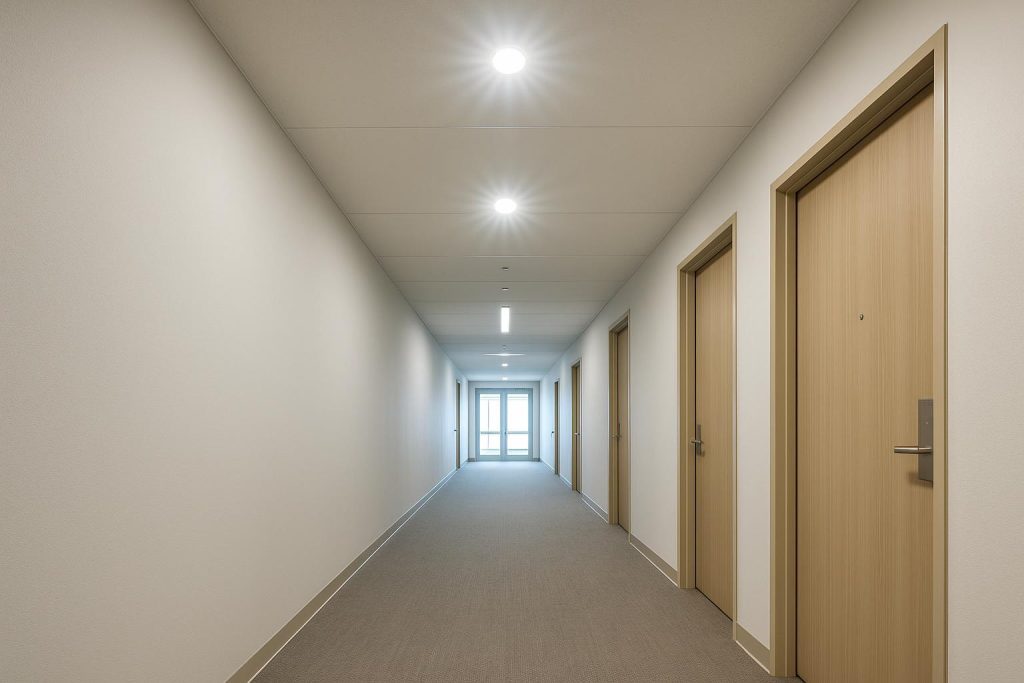
Understanding Alberta's Emergency Lighting Requirements
Emergency lighting plays a critical role in helping occupants safely evacuate a building during unexpected circumstances such as a power outage, fire, or other emergencies. In Alberta, the Alberta Building Code (ABC) and Alberta Fire Code (AFC) set out specific guidelines for the design, installation, and maintenance of these essential life safety systems. Familiarizing yourself with the requirements is not only about meeting legal obligations but also about preserving the well-being of occupants, employees, or visitors who rely on adequately illuminated exit routes in a crisis.
In this comprehensive guide, we delve deeper into the importance of emergency lighting, the regulatory landscape in Alberta, and tips for maintaining a compliant system. We also explore the basics of power consumption, as well as why it's vital to keep these systems running efficiently. By understanding these elements, you can enhance the safety and security of your property while meeting local regulations.
Why Emergency Lighting Matters
Emergency lighting ensures occupants have adequate visibility when the regular power supply fails. In a moment of crisis—such as a fire, severe weather event, or power grid failure—well-functioning emergency lights help guide people to exits and assembly points without confusion or panic. This is especially critical in commercial or industrial settings where large numbers of people may be present or operational activities can pose additional hazards.
Additionally, emergency lighting requirements in Alberta are designed to protect property owners and maintain public safety at the community level. Buildings that fail to install or maintain compliant exit and emergency lighting could face penalties, increased liability risks, and, most importantly, pose a danger to occupants. By maintaining operational emergency lights, building owners demonstrate a commitment to safety and legal compliance.
Regulatory Foundations: Alberta Building Code and Alberta Fire Code
The legal requirements for emergency lighting in Alberta generally stem from the Alberta Building Code (ABC) and the Alberta Fire Code (AFC). Both codes stipulate when and where emergency lighting systems are essential. Though specific applications can vary based on the type of occupancy (for example, industrial, residential, or commercial), most properties accessible to the public or housing employees must install and maintain an emergency lighting system. Key points include:
- Illumination Levels: Regulations specify that emergency lighting must meet minimum brightness or illuminance levels to ensure safe egress. This often includes stairwells, corridors, ramps, and exits.
- Battery Backup Duration: Commonly, emergency lights must remain functional for at least 90 minutes on battery power to allow occupants ample time to exit safely. This duration requirement may vary in certain specialized environments or occupancy types.
- Regular Inspections: To maintain compliance, routine inspections ensure that lighting units, control equipment, and backup batteries are operational. Facility managers or building owners are often required to keep a record of these inspections for fire department or insurance reviews.
- Updates Over Time: Codes can evolve, so staying up to date is crucial. If you own or operate older premises, make sure your emergency lighting meets the current code standards. A building upgrade may be required if your property has undergone changes or renovations that alter occupancy or layout.
Building owners should consult the most recent versions of the ABC and AFC, or contact the local authority having jurisdiction (AHJ), for specific details. An AHJ can clarify any unique or building-specific requirements. If you have questions about your location's applicable codes, seeking professional guidance from certified fire protection technicians is recommended.
Common Types of Emergency Lighting and Power Consumption
Understanding power consumption is another crucial aspect of installing or upgrading an emergency lighting system. Though the most important factor is ensuring adequate light levels for occupant safety, energy efficiency can also reduce operational costs and environmental impact over time. Below are some typical emergency lighting options, each with distinct power consumption characteristics:
- Incandescent Bulbs: While once common, incandescent bulbs are now largely considered inefficient. Consuming between 40 to 100 watts, they provide strong illumination but have a relatively short lifespan. Their heat output can also be significant, making them unsuitable for most modern emergency lighting setups.
- Compact Fluorescent Lamps (CFLs): CFLs offer a more moderate energy draw, usually between 9 to 52 watts. They were once favored as a transitional solution from incandescent to more efficient technologies but are gradually being phased out in favor of LEDs, which offer superior efficiency and longevity.
- Light Emitting Diodes (LEDs): LEDs have become the primary choice in today's emergency lighting systems. Not only do they consume minimal energy—somewhere in the range of 1 to 5 watts per fixture—but they also offer a longer lifespan and more consistent light output. Their low power draw is crucial for maintaining extended battery backup operation.
- Exit Signs: Exit signs, also a key part of emergency egress systems, are typically LED-based in modern buildings. These signs generally require 2 to 5 watts, offering visibility with minimal power use.
Most emergency lighting fixtures connect to a dedicated backup battery or generator system. When the main power is operational, these lights consume only enough electricity to keep the batteries charged. In case of a power disruption, they automatically switch to battery or generator power and provide illumination for the mandated minimum duration.
Best Practices for Maintenance and Inspections
Proper maintenance of your emergency lighting system is essential for both public safety and regulatory compliance. Some recommended best practices include:
- Monthly Spot Checks: Perform a quick test of your emergency lights by cutting off the main power supply to confirm all units illuminate properly. If any light fails to turn on, investigate the cause immediately.
- Annual Comprehensive Test: It's typical for building owners or facility managers to run a full 90-minute test of all emergency lighting and exit signs at least once a year. This ensures the batteries can sustain the required illumination period.
- Immediate Repairs or Replacements: Whenever you find a defective bulb, battery, or fixture, schedule a repair promptly. Delaying necessary fixes could result in code violations and compromised occupant safety.
- Record-Keeping for Compliance: Document all inspections, maintenance actions, and repairs. Proper logs can be invaluable in demonstrating compliance to fire marshals, insurance auditors, or local authorities.
For more extensive needs, such as system redesign or resolving persistent failures, it may be wise to consult a professional fire protection service. Technicians have the expertise to identify underlying issues and ensure your system meets or exceeds legal standards.
Integrating Emergency Lighting with Other Fire Protection Systems
Emergency lighting does not work in isolation. In fact, a holistic approach to life safety includes coordination with fire alarm systems, fire sprinkler systems, and fire extinguishers. When all these elements function together, occupants are more likely to exit safely and effectively contain hazards when possible. For instance, well-lit corridors guide people to the nearest fire extinguisher or exit, while a functional fire alarm system notifies everyone to evacuate promptly. This synergy often reduces confusion and helps emergency responders navigate the property.
Regular fire protection services also encompass checks for emergency lighting systems, ensuring you remain code-compliant on multiple fronts. Scheduling inspections for all your life safety systems together can be both cost-effective and convenient, reducing downtime for your facility.
Questions to Ask When Ensuring Compliance
Whether you're renovating an existing property or managing a new construction project, it's wise to ask the following questions to confirm your emergency lighting meets the requirements outlined in Alberta's building and fire codes:
- Are all exits and egress routes clearly illuminated?
- Does the lighting system have a reliable battery backup or generator?
- Have you tested the lights for the full duration mandated by code?
- Do you have a fail-safe monitoring system that indicates fixture or battery malfunctions?
- Are inspections and maintenance performed regularly, and are records kept?
- Could LED fixtures or other energy-efficient solutions reduce energy costs?
- Is the system integrated with other fire safety measures for a cohesive emergency response?
Taking time to address these considerations can save you from unexpected issues during official inspections or emergencies, and can greatly enhance occupant safety.
Staying Informed and Seeking Professional Advice
Fire codes and regulations evolve over time to address new safety challenges, technological advancements, and lessons learned from real-world incidents. Consequently, building owners, facility managers, or anyone responsible for occupant well-being should stay updated and proactively adapt their life safety systems, including emergency lighting. Keeping track of changes in the Alberta Building Code or Alberta Fire Code—and consulting local authorities—is a proactive way to ensure ongoing compliance.
When in doubt, consult experienced, certified technicians who specialize in designing, installing, and servicing life safety systems. They can guide you through compliance requirements, perform detailed inspections, and recommend modern fixtures or upgrades to improve performance and reliability.
Conclusion: Commitment to Safety and Compliance
Having a reliable emergency lighting system is not merely a legal obligation in Alberta; it also serves as a critical layer of protection for everyone who enters your facility. By ensuring your lights are operational, code-compliant, and regularly maintained, you foster a safer environment, reduce liability risk, and demonstrate a strong commitment to safety. This focus on preparedness aligns with broader fire protection objectives—saving lives, safeguarding property, and ensuring minimal disruption when unexpected events occur.
Consider scheduling a professional inspection to verify your emergency lighting and other fire safety components are fully operational and code-compliant. Working with proven experts can help you navigate everything from routine checks to major system upgrades, ensuring your property remains prepared in all circumstances. If you need further guidance or additional services, feel free to contact a certified fire protection provider to discuss the safest, most compliant path forward for your particular building.
