
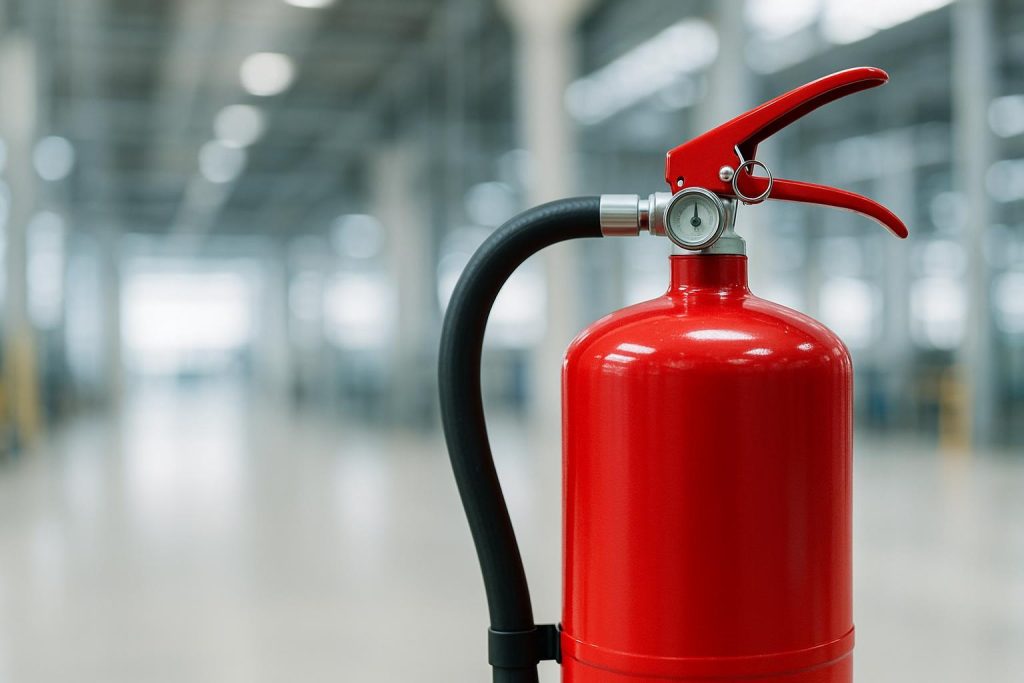
Understanding Fire Extinguisher Chemical Components and Safe Storage
Fire extinguishers are vital life safety systems that help protect people and property in the event of an emergency. Whether you manage a commercial building, oversee an industrial facility, or handle safety protocols in a multi-residential setting, knowing which chemicals your extinguishers contain and how to store them properly can make a world of difference. These devices serve as a crucial first line of defense against small fires, and their effectiveness often depends on selecting the right extinguisher type and maintaining it in a code-compliant manner.
Why Fire Extinguishers Matter
Fire extinguishers are more than just wall-mounted equipment. In a broad fire protection services plan, they serve as essential tools that can help curtail a fire before it spreads and causes significant damage. By investing in high-quality, properly maintained fire extinguishers, businesses and property owners can:
- Reduce Property Damage: Prompt use of the correct extinguisher can prevent flames from escalating, minimizing costly building repairs.
- Enhance Safety: Effective extinguishers keep people safe by putting out small fires quickly, thus allowing occupants to evacuate or address the situation before help arrives.
- Stay Compliant: Many regions have specific fire codes requiring certified technicians to regularly perform system inspections and maintenance on extinguishers, ensuring they stay in working order.
- Achieve Peace of Mind: Having readily accessible, well-maintained extinguishers on hand offers reassurance that you are prepared to react swiftly if a fire breaks out.
Common Chemicals Found in Fire Extinguishers
While there are various classes of fire extinguishers, two of the most common chemicals used for fire suppression are mono ammonium phosphate and sodium or potassium bicarbonate. Both are dry chemical agents that smother fires by interrupting the chemical reaction at the base of the flames. Although these compounds are effective, they can pose health risks if inhaled. Additionally, when left on surfaces for extended periods, some dry chemicals can become corrosive to metals. That’s why prompt cleanup after discharge is always recommended. Depending on the type of extinguisher you have, you may find other agents such as carbon dioxide (CO2) or a water-based solution designed for specific classes of fires.
Among the common extinguisher types you might encounter are:
- Class A Extinguishers: Usually contain water-based agents for ordinary combustibles like wood, cloth, and paper.
- Class B Extinguishers: Often charged with dry chemical or CO2 to handle flammable liquids like gasoline and oil.
- Class C Extinguishers: Utilize non-conductive agents, typically dry chemicals, for electrical fires.
- Class D Extinguishers: Contain specialized powders that target combustible metals such as magnesium and titanium.
- Class K Extinguishers: Specifically designed for kitchen environments, employing wet chemical agents to suppress fires involving cooking oils and fats.
Understanding which chemical is right for your environment can prevent damage, limit safety risks, and ensure you have the best possible chance at containing a small fire before it escalates into a larger incident. If you’re searching for more details on suitable extinguishers for your property, consider reviewing our fire extinguishers information page, which covers various types and the environments where they’re most effective.
Health and Safety Considerations
Although modern extinguishers are designed with user safety in mind, the chemicals they release can be hazardous under certain conditions. Mono ammonium phosphate, for example, can cause respiratory irritation if inhaled in large amounts. Dry chemical powders can also irritate the eyes if they come into direct contact. Therefore, it’s advisable to use personal protective equipment (PPE)—such as gloves, goggles, or even a simple face mask—when cleaning up residue. Additionally, ensure that the discharge area is well-ventilated before, during, and after usage so that any lingering airborne particles can disperse.
Should you ever feel uneasy or experience symptoms like coughing or wheezing after an extinguisher discharge, it’s best to seek medical advice quickly. Compliance with local fire codes also includes a responsibility to maintain safe environments for occupants, so prompt cleanup of residue is a best practice. Keeping your equipment inspected by certified technicians is another proactive step to ensure all systems function with minimal risk to users and bystanders.
Storing Fire Extinguishers Safely
When it comes to fire extinguishers, where and how you store them matters significantly. Proper storage keeps them in prime condition, prolongs their usable life, and ensures they’re ready for emergencies at a moment’s notice. Below are key guidelines to help you store fire extinguishers properly:
- Accessible Location: Position extinguishers where they’re highly visible and easy to reach. Avoid concealing them behind furniture, curtains, or any object that blocks immediate access. Commercial properties often choose mounting stations near exits or in areas prone to fire risks, like kitchens or mechanical rooms.
- Proper Height: Most codes recommend mounting extinguishers so that their handles are no more than five feet above the ground. This height ensures accessible reach for a wide range of potential users. Heavier models may need to be mounted lower—around three feet—to prevent lifting injuries.
- Away from Heat Sources: While it might seem logical to place extinguishers close to stoves or heaters, storing them too close to these heat sources can lead to damaged components over time. High temperatures can compromise an extinguisher’s internal pressure and potentially trigger leaks or malfunction.
- Vertical Position: Always store fire extinguishers upright, as some internal mechanisms rely on correct orientation. Laying an extinguisher on its side for extended periods can lead to sediment settling or other internal issues that compromise performance.
Maintenance and Inspection Best Practices
Routine system inspections and maintenance are critical not only for code compliance but also for confirming that the extinguisher’s contents remain fully effective. Many businesses schedule regular checkups through professional fire protection services. During these visits, certified technicians will:
- Check the Pressure Gauge: Ensuring the extinguisher is pressurized correctly, typically indicated by a gauge needle in the operating range.
- Examine Physical Condition: Looking for dents, rust, leaks, or any external wear and tear that could affect performance.
- Evaluate Discharge Hose: Confirming the hose is not cracked or obstructed by debris, and that the nozzle is clear.
- Update Service Tags: Service tags or labels may be required by local regulations to show inspection dates and confirm your extinguisher meets safety standards.
These inspections form a critical part of a broader fire alarm and suppression systems strategy. When combined with other preventive measures—like fire alarm system monitoring or fire suppression services—extinguisher maintenance helps create a robust safety net for your property.
What to Do After an Extinguisher Discharge
If you have used an extinguisher to douse a fire, the immediate area may be covered in chemical residue. Dry powders can often leave a yellowish or white coating on floors, walls, and machinery. To clean up safely:
- Allow Time for Area to Ventilate: Wait for smoke or chemical dust to settle, and ensure the zone is well-ventilated before you start scrubbing or vacuuming.
- Sweep or Vacuum Loose Particles: Use a broom or vacuum cleaner to remove as much powder as possible, being careful not to stir up clouds of dust.
- Wash Residue with Mild Detergent: For surfaces that come into direct contact with powder, use warm water mixed with a gentle cleaning agent. Rinse thoroughly to prevent any potential corrosion on sensitive metal components.
- Dispose of Waste Responsibly: Follow local guidelines for disposing of chemical residue. While many dry chemicals are not classed as hazardous waste, it’s wise to consult your local municipal regulations.
After an incident, it’s generally a good idea to have the extinguisher recharged or replaced by a professional. Even if you discharge only a small amount, the extinguisher may no longer hold sufficient pressure or chemical agent to combat another fire effectively. Seeking the help of certified technicians ensures the unit is restored to proper working order.
Working with Trusted Fire Protection Services
Collaborating with an experienced team is one of the most reliable ways to ensure all your fire extinguishers—and accompanying safety measures—remain in good shape. Look for professionals who offer code-compliant services, including:
- Emergency Fire Services: Having someone you can call in an emergency provides peace of mind that any sudden issue will be addressed promptly.
- Fire Alarm System Monitoring: Integrating alarms with monitoring services can rapidly alert first responders to an emergency, potentially reducing damage.
- Fire Alarm and Suppression Systems: Regular checks and maintenance on the entire fire protection network help ensure each component is ready to function should a fire break out.
Whether you manage a small business in Edmonton or maintain a large industrial site in Leduc, a knowledgeable provider can tailor their offerings to meet your unique safety needs. They’ll guide you through selecting the right extinguisher class, explain how often to inspect your devices, and handle any necessary repairs or replacements with certified technicians. Together, these measures support a holistic approach to life safety systems.
Knowing When to Replace Your Extinguisher
Most portable fire extinguishers are built for longevity, but they don’t last forever. Over time, factors like wear and tear, exposure to extreme temperatures, and rust can compromise the integrity of the canister. Although visual inspections and pressure checks offer good indicators of extinguisher health, you should be aware of the following:
- Expired Servicing: If your extinguisher hasn’t been serviced in years, it may be out of compliance with local Fire Code regulations.
- Damaged Components: Any sign of leaks, dents, or a missing safety pin is a potential indicator that the extinguisher may not discharge properly.
- Lack of Pressure: If the gauge needle has fallen outside the recommended range, the extinguisher may not release its agent effectively.
If any of these issues are detected, plan for immediate replacement or a professional assessment. Avoid waiting for an emergency to discover your extinguisher cannot perform its job. Proactive replacements help maintain continuous readiness and ensure your property remains under reliable protection.
Integrating Extinguishers into a Comprehensive Fire Safety Plan
Finally, remember that extinguishers should be part of a broader protective strategy. Fire sprinklers, alarm systems, and fire suppression services all work in tandem to reduce fire damage and safeguard building occupants. Conducting scheduled drills, posting clear evacuation routes, and implementing consistent occupant training also amplifies safety. Encourage staff or residents to understand the basics of operating extinguishers, including the P.A.S.S. technique (Pull, Aim, Squeeze, Sweep), so they feel confident should they need to respond to a minor fire incident.
When combined with proper storage, regular fire extinguishers maintenance, and the support of trained professionals, your overall fire safety plan can be both comprehensive and practical. By investing time and effort into proactive measures, you significantly reduce the potential risk of larger fires and ensure everyone under your care can count on a safe environment.
Conclusion
Understanding what chemicals are in your fire extinguisher and how best to store and maintain these essential devices is a cornerstone of any fire protection strategy. Mono ammonium phosphate, sodium or potassium bicarbonate, and even more specialized agents each serve a unique purpose in tackling fires of different classes. By prioritizing monthly checks, annual inspections, and quick cleanup after any discharge, you can keep your extinguishers functioning optimally throughout their service life.
Ensuring your facility remains code-compliant involves more than just having the right gear on hand. It requires an integrated approach, from consistent system inspections and maintenance to emergency fire services and proper storage guidelines. These protective measures work most effectively when coordinated as a whole, giving you the confidence to know you can act swiftly and effectively when seconds count.
For more information about fire extinguishers or other fire alarm and suppression systems, consider consulting certified technicians who specialize in installation, maintenance, and regular inspections. From major urban areas like Edmonton to fast-growing communities like Spruce Grove, local professionals can offer tailored advice on how to keep your equipment at peak readiness. By staying informed and prepared, you’re taking the first step toward a safer, more secure environment for everyone involved.
