
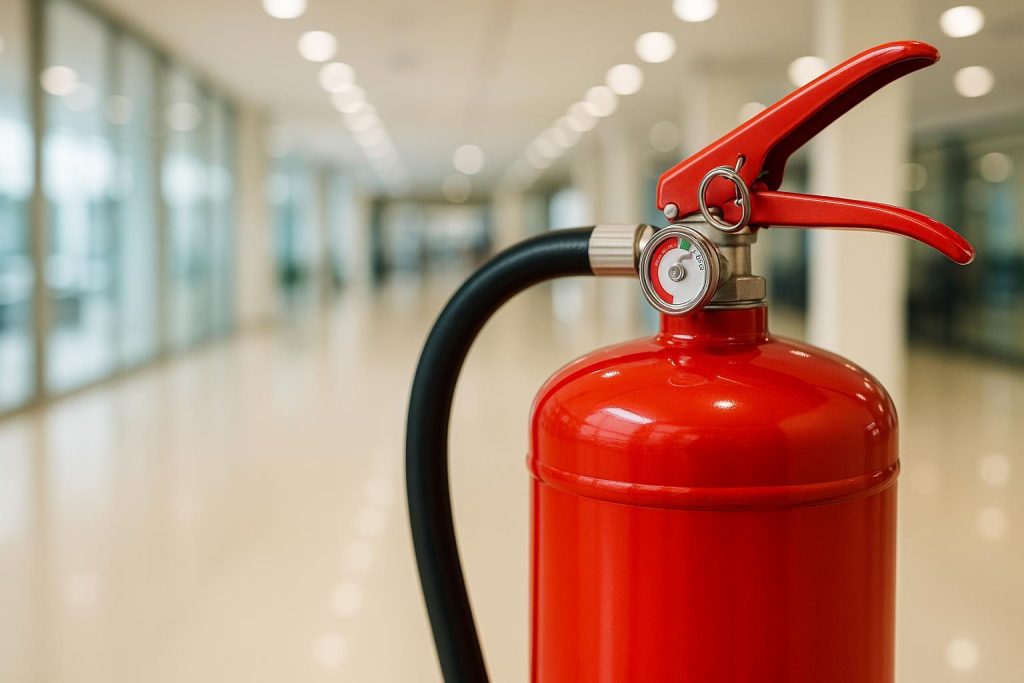
Understanding Class B Fire Extinguishers for Flammable Liquid Fires
Class B fire extinguishers are a vital component of any comprehensive fire protection plan, designed specifically to combat fires involving flammable liquids such as gasoline, oil, grease, and various solvents. By quickly interrupting the chemical reaction that sustains these dangerous blazes, Class B fire extinguishers can help contain and prevent extensive property damage, reduce safety hazards, and ensure compliance with local fire codes. In this guide, we will explore everything you need to know about Class B fire extinguishers: how they work, how to select the right one for your environment, the benefits of proper maintenance, and recommended best practices to keep your property safe.
What Makes Class B Fires Different?
Fires are often categorized by class to help you determine which extinguishing agents or techniques are most effective. A Class B fire is any blaze originating from flammable liquids or gases. This classification typically encompasses:
- Gasoline and diesel fuel
- Grease, oils, and cooking fats
- Alcohol-based products (ethanol, methanol)
- Solvents and certain paints
The unique challenge with flammable liquid fires is that they can spread rapidly across surfaces, especially if the liquid travels or spills. Class B fires require specific extinguishing agents capable of forming a barrier and preventing oxygen from feeding the flames. Additionally, some of these fires produce extremely high temperatures, so having the correct extinguisher on hand can make a substantial difference in both containment and safety.
How Class B Fire Extinguishers Work
While Class B fire extinguishers come in a variety of types, many contain a dry chemical that interrupts the chemical chain reaction fueling the fire. Typically, this dry chemical is sodium bicarbonate or monoammonium phosphate. When discharged, the powder blankets the surface of the liquid fire, depriving it of oxygen and halting the spread of flames. In some settings, carbon dioxide extinguishers may also be used for Class B fires, as carbon dioxide replaces oxygen in the immediate area and cools the fire.
For life safety systems to be fully effective, proper training is essential. Anyone expected to use a fire extinguisher should understand where Class B extinguishers are located, how to operate them, and how to evaluate the situation to know when an extinguisher is an appropriate choice versus evacuating the area.
When to Use a Class B Fire Extinguisher
A Class B fire extinguisher is suitable whenever a flammable liquid or gas is involved—such as a grease fire in a commercial kitchen, a fuel spill igniting in a workshop, or an accidental paint-related blaze on a jobsite. Before using one, consider:
- Safety First: If you spot a fire that appears too large, or you are untrained in extinguisher operation, call emergency services immediately and evacuate the area.
- Proper Positioning: When operating a Class B extinguisher, position yourself between the exit and the fire so that you can make a clear escape if the flames spread uncontrollably.
- PASS Technique: The widely taught PASS technique—Pull, Aim, Squeeze, Sweep—helps users target the base of the fire and ensure an effective discharge of the extinguishing agent.
Remember, an extinguisher is most effective in the very early stages of a fire. If you discover a well-established blaze, prioritize your safety, alert others, and contact emergency services.
Differences Between Class B and Other Fire Extinguisher Classes
Before deciding to invest in a Class B extinguisher, it helps to understand the differences among the primary fire extinguisher classes:
- Class A: Designed for ordinary combustibles (wood, paper, cloth). These fires generally require water or similar cooling agents to reduce heat.
- Class B: Targets flammable liquids and combustible gases.
- Class C: Formulated for electrical equipment fires. These extinguishers often use non-conductive agents and can overlap with Class B or Class A depending on the specific agent.
- Class D: Used for combustible metals, such as magnesium or titanium, and are found mainly in specialized industrial settings.
- Class K: Created for cooking oils and fats in commercial kitchens. Although some Class B agents can address cooking oil fires, most professional kitchens maintain a Class K extinguisher due to its specialized firefighting ingredients.
This breakdown highlights why selecting the correct extinguisher type matters. Using an incompatible suppressant agent can actually worsen a fire or fail to contain it effectively.
The Importance of Proper Maintenance
To ensure that your Class B fire extinguisher will work when you need it most, regular inspections and maintenance are key. Extinguishers are under constant pressure, and any breach in the seal or cylinder can lead to decreased performance. Consider the following guidelines:
- Monthly Checks: Inspect each extinguisher for visible damage, confirm the pressure gauge remains in the green range, and look for signs of tampering.
- Annual Inspections: Many jurisdictions require an annual check by certified technicians to verify internal pressures, seals, and overall performance. Having a professional conduct these checks also helps satisfy local fire codes.
- Periodic Internal Examinations: Every few years, dry chemical extinguishers may require an internal examination to ensure the agent is not clumping or degrading. Follow the guidelines recommended by the manufacturer or your service provider.
Complying with these requirements helps you stay code-compliant and ensures your fire protection services strategy remains robust. Skipping scheduled checks can risk an extinguisher’s reliability when an emergency strikes.
Code Compliance and Life Safety Systems
In many commercial and industrial facilities, Class B fire extinguishers are just one part of a broader fire safety plan. Local regulations often mandate installing multiple fire extinguisher classes, as well as supplementary measures like fire alarm and suppression systems. Business owners and facility managers should familiarize themselves with these codes and partner with service providers that can help integrate Class B extinguishers into a holistic protection setup.
If you have questions about how many Class B extinguishers your facility needs, consider consulting experts who specialize in system inspections and maintenance. Having a trusted partner means you can verify your coverage quickly and avoid potential gaps, especially if your location features machinery, fuel storage, or other operations that heighten the risk of flammable-liquid fires.
Training and Readiness
Even the most advanced extinguisher will be of little use if employees or occupants do not know how to operate it. Providing periodic training and refresher sessions ensures everyone can respond quickly should a Class B fire occur. A few points to cover in training sessions:
- Location Awareness: Mark fire extinguisher locations clearly and make sure staff can quickly locate them.
- Extinguisher Types: Different classes of extinguishers may be installed throughout your facility. Staff should be able to distinguish which type is suitable for various fires.
- Hands-On Practice: While you may not discharge a real extinguisher for every training, using a demonstration unit or simulation can significantly boost confidence and effectiveness.
A comprehensive training program reduces confusion during emergencies and strengthens your facility’s readiness level, helping protect both people and property.
Selecting Class B Fire Extinguishers for Your Space
Before purchasing or replacing extinguishers, note the following considerations:
- Size and Capacity: Class B extinguishers come in various ratings indicating how large a fire they can combat. Consult with certified technicians for guidance on the proper rating based on your typical flammable liquid quantities and facility size.
- Location and Accessibility: Install Class B extinguishers where flammable liquids are stored or used. Keep hallways, stairwells, and exits clear for easy retrieval and safe evacuation paths.
- Combined Ratings: Many extinguishers carry multi-class ratings (like ABC). If your environment includes multiple fire hazards, you may prefer these versatile options to ensure broader coverage.
Partnering with a Reliable Fire Safety Provider
When exploring Class B fire extinguishers, it pays to connect with a professional service dedicated to fire protection. Working with knowledgeable technicians helps you maintain compliance with local regulations, conduct necessary inspections, and develop a coordinated emergency plan. This approach ensures that Class B fire extinguishers complement your other safety measures, such as Fire Sprinklers and Fire Alarm Systems. A well-rounded strategy minimizes risks, protects your property, and safeguards your employees or occupants.
When selecting a provider, confirm they offer a range of options, including system inspections and maintenance, 24/7 emergency support, and certified staff who understand the local fire code. Businesses and homeowners alike benefit from having a reliable partner who stands ready to assist with any questions or urgent needs.
Next Steps for Comprehensive Fire Protection
While Class B fire extinguishers are instrumental in containing flammable liquid fires, they are just one part of a well-designed safety plan. It’s crucial to have up-to-date extinguishers, properly maintained sprinklers, functioning alarms, and a clear evacuation strategy. If you’re considering enhancing your building’s fire protection measures, you may want to explore the wider range of services offered—such as Fire Extinguishers installation and inspection programs. By aligning each aspect of your plan with code requirements and industry standards, you’ll enjoy peace of mind knowing you have reliable, multi-layered defense should a fire break out.
Ultimately, addressing flammable liquid fires swiftly and effectively can make a significant difference in protecting people, property, and critical assets. By combining the right equipment—like Class B fire extinguishers—with continued training and professional support, you’ll create a safer environment where everyone can focus on their work, home life, or other priorities without compromising on safety or code compliance.
