
Commercial Fire Alarm Monitoring: Strengthening Life Safety for Your Business
Commercial fire alarm monitoring plays a vital role in protecting your business, employees, and property. By linking fire alarm systems to a 24/7 monitoring station, you gain the reassurance of rapid emergency response, even if a fire ignites outside of normal business hours. This proactive approach can be the difference between a minor incident and major fire damage. In this guide, we will explore the importance of commercial fire alarm monitoring, how it works, and the value it brings to overall fire protection services. Whether you own a small retail storefront or manage a large office building, staying code-compliant while safeguarding your investment and the people who work there is paramount.
What Exactly Is Commercial Fire Alarm Monitoring?
Commercial fire alarm monitoring is a service linking a building’s fire alarm system to a continually staffed control center. When the system detects fire, smoke, or other fire-related anomalies, a signal is immediately relayed to trained operators at this central station. These certified technicians then verify the alert, notify emergency fire services if needed, and alert the property’s designated contacts. For instance, they might call key personnel or dispatch professional responders. This process ensures that emergencies are addressed promptly, allowing for swift action that can help minimize damage and increase occupant safety.
Because fires can start at any time—and often, unfortunately, when a property is unoccupied—commercial fire alarm system monitoring acts as a constant safety net. Even if you are not on-site, your system inspections and maintenance can only help so much if no one receives the alarm signal when an event occurs. A monitored fire alarm system mitigates that risk, while also supporting your efforts to remain code-compliant with local regulations. The goal is simple: rapid detection, immediate notification, and smart response to safeguard what matters most.
How Commercial Fire Alarm Monitoring Works
In many commercial properties today, you will find advanced life safety systems built to detect smoke, heat, and other signs of a possible fire. While installing reliable equipment is essential, it is only part of the story. A typical monitoring setup includes:
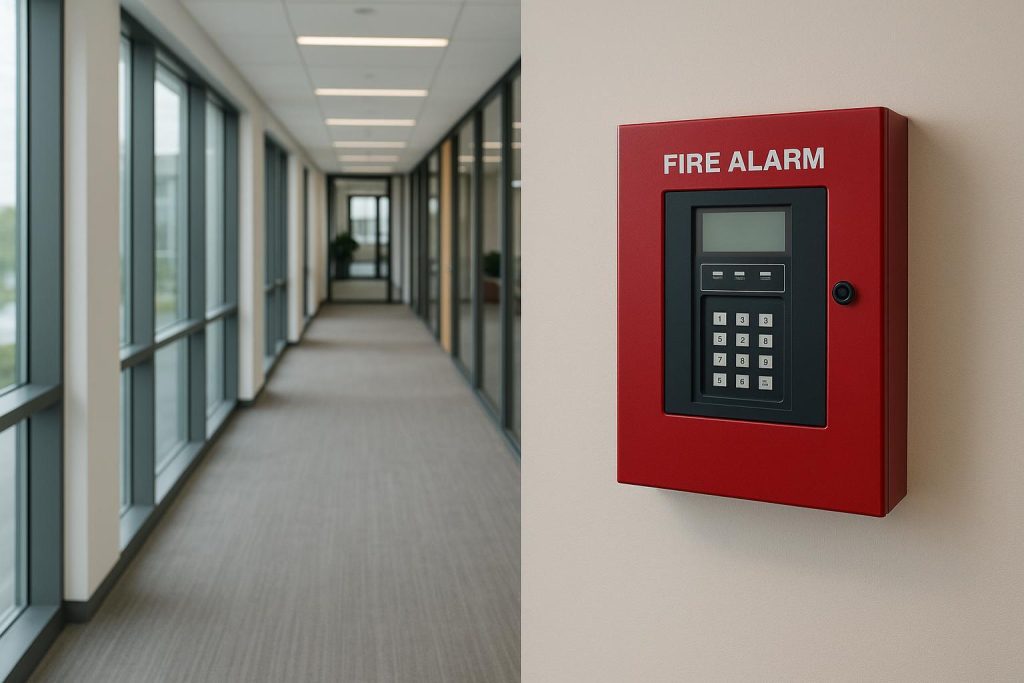
- Fire Alarm Control Panel (FACP): This is the core electronic panel that receives signals from sensors. It processes data to detect abnormalities such as elevated heat or smoke particles.
- Sensors and Detectors: Smoke detectors, heat detectors, flame detectors, and other specialized devices feed alerts to the FACP when specific conditions are detected.
- Communication Device: When an alarm is triggered, the communication unit relays the alert through phone lines, cellular networks, or internet connections to the monitoring station.
- 24/7 Monitoring Station: Staffed by certified technicians trained in emergency protocol, this facility receives the alarm signal and immediately assesses the situation. If a threat is confirmed, they coordinate with local firefighters and contact appropriate on-call personnel.
This comprehensive chain of detection, communication, and response allows for near-instantaneous reaction. The result is valuable time saved, with fire services likely to arrive more quickly. In some industries—such as healthcare facilities or manufacturing plants—where every second counts, minimizing any lag in alerting responders can help protect employees, patients, equipment, and the property itself more effectively.
Key Benefits of Fire Alarm Monitoring
The advantages of commercial fire alarm monitoring extend beyond receiving a phone call when a smoke detector goes off. Here are some of the most important highlights:
- Rapid Response: Whether you are in the building or away, having a monitored service ensures immediate action. The moment a signal is received, professionals at the monitoring center assess the situation and contact emergency fire services as required.
- Peace of Mind: Even if a fire ignites late at night or during holiday closures, you know the alarm system alerts authorities quickly. This around-the-clock support offers peace of mind for business owners and facility managers.
- Reduced Damage: Swift intervention helps contain a fire or limit its spread. The faster the firefighters arrive, the sooner they can address the issue, potentially preventing longer-term damage to your inventory, structure, or critical equipment.
- Insurance Benefits: Many insurers look favorably on commercial properties with monitored fire alarm systems, as these systems reduce risk. In some cases, installing a code-compliant monitoring setup may help you secure more favorable insurance premiums.
- Code Compliance: Regulations frequently require commercial properties to maintain certain fire safety standards. A legitimate monitoring solution supports compliance with local fire codes and promotes overall life safety.
By prioritizing professional monitoring, you are building a cornerstone of any robust fire protection plan. This approach goes beyond containing fire-related threats. It also signals a sense of responsibility to your team, customers, and community, demonstrating that your business values their well-being.
Collaborating with Firefighters in an Emergency
When a commercial fire alarm activates and the event is confirmed, the central monitoring station notifies local emergency responders. Firefighters can then prepare the right personnel and equipment to manage the incident effectively. This collaboration is crucial to limiting the extent of smoke or fire-related damage. The moment they arrive, firefighters have the advantage of timely alerts and more complete information provided by the monitoring facility. This coordinated approach allows for better decision-making, especially when deciding whether specialized tools or teams are needed.
In many scenarios, the best outcomes occur when time is on your side. Even brief delays in alerting firefighters can allow a small flame to grow quickly. That is why a solid relationship among a property owner, a professional monitoring service, and local firefighting teams is an invaluable foundation for community safety.
How Monitoring Fits into Comprehensive Fire Protection
The simplest way to visualize commercial fire alarm monitoring is as a vital connection between a building’s fire alarm system and emergency support. Yet, this is only one part of a broader framework. In addition to monitoring, properties should maintain strong preventative measures and overall fire protection services. Consider the following elements:
- Regular Inspections and Maintenance: Conduct routine checks of your fire alarm and suppression systems to ensure everything remains functional. Keeping sprinklers, detectors, and alarms up to date reduces the likelihood of malfunctions when every second matters.
- Fire Extinguishers: Installing extinguishers in strategic locations is an important line of defense. If employees can safely contain a small fire, they can keep it from escalating.
- Sprinkler Systems: Automatic sprinklers can significantly abate or halt the spread of a blaze. Combine these with a monitored alarm, and you have two powerful tools working to minimize damage and save lives.
- Staff Training: Regularly educate employees on how to recognize potential hazards, handle minor fires, and follow evacuation protocols. Knowledgeable personnel can reduce panic and confusion, leading to more orderly evacuations.
When implemented together, these strategies create a safer environment and maintain readiness against potential threats. Monitoring stands out by offering a constant layer of vigilance. No matter how advanced your life safety systems are, they are only as effective as the response they trigger—and that is where commercial monitoring proves its worth.
Choosing an experienced provider to handle Fire Alarm System Monitoring can help you align each layer of your fire protection plan. Certified technicians, who understand code-compliant standards, will make sure your systems integrate well with other components, from sprinklers to extinguishers. This holistic approach means fewer gaps and a more unified line of defense.
Maintaining Code Compliance and Legal Requirements
Many municipalities require businesses to meet minimum fire safety regulations, and some even mandate professional monitoring for certain types of properties. For instance, multi-story buildings, schools, and high-occupancy structures may need around-the-clock monitoring. Failing to meet these requirements can result in fines, legal complications, or even an inability to obtain proper occupancy permits. By investing in a monitored alarm system, you demonstrate your commitment to compliance and help protect building occupants.
Alongside the monitoring system, regular Commercial Fire Alarm Services such as system inspections and maintenance, testing alarms, and verifying sensor functionality are often required by local authorities. These checks confirm that every component remains operational and in line with code requirements. Working with professionals who have specialized knowledge in emergency fire services and local standards ensures you maintain a compliant setup year-round.
Why Partner with Certified Technicians?
Fire alarm systems are intricate networks of hardware, wiring, software, and communication components that must work correctly in tandem. Because of these complexities, it is best to partner with certified technicians. Experienced experts can install or reconfigure your system, verify compatibility, and address any technical issues on the spot. In addition, they are equipped with the insights needed to ensure your alarms meet regional standards for system inspections, maintenance, and reliability.
A qualified team also helps you understand any evolving fire code regulations. If you are located in Edmonton, Sherwood Park, or any of the surrounding areas, you may notice updated codes requiring better detection technology or more frequent inspections. With professional guidance, you can stay informed about the latest developments and avoid potential compliance issues. This approach can save you time and money in the long run, especially if your organization or building changes over time and needs system expansions or upgrades.
Retrofitting Existing Systems
If your building has an older, unmonitored system—and you want the advantages of commercial fire alarm monitoring—you can explore retrofit options. Trained technicians can upgrade hardware and software so that sensors feed data to a remote station. Significant improvements in digital communication technologies often allow older systems to benefit from new methods of sending and receiving signals, such as cellular or internet-based connections. After modifications, you can integrate the system with other fire protection elements, such as Fire Sprinklers and Fire Extinguishers, offering a fully modernized approach to safety.
Retrofitting provides peace of mind for owners of older buildings who worry that installing an entirely new system might be too disruptive or costly. If you work with knowledgeable professionals, you can find practical solutions and preserve some of your existing infrastructure while meeting code requirements for modern life safety systems.
Emergency Fire Services and the Role of Monitoring
Ensuring that the proper responders are notified in a timely manner is critical. When your alarm triggers, the monitoring station reaches out to emergency fire services right away, cutting down the time it takes for them to mobilize. Without monitoring, a crisis could escalate before anyone notices. By ensuring rapid intervention, you are not only protecting your property; you are also helping protect neighboring buildings and the community at large.
Additionally, having a strong connection with your local emergency response teams can make routine inspections smoother. Firefighters and inspectors often feel reassured when they see a building invests in advanced fire suppression services and a functional monitoring setup. This integrated approach reflects a commitment to safety and makes it simpler for responders to do their jobs effectively.
Choosing the Right Monitoring Service
Finding a top-quality commercial fire alarm monitoring service starts with identifying a reputable provider. You want an organization that offers dedicated 24/7 coverage using secure communication channels. Additionally, look for knowledge of local fire codes, as well as the ability to integrate multiple systems—like sprinklers, specialty fire alarm and suppression systems, and backup power supplies. Ensuring that all equipment is code-compliant is crucial for the safety of your employees and visitors alike.
When you begin the search, inquire about the following elements:
- Monitoring Credentials: Verify their certifications and industry experience. A qualified provider will gladly share references and highlight the depth of their team’s training.
- Response Protocol: Examine the procedures operators follow once an alert pops up. Make sure the process is structured, clear, and efficient.
- Compatibility: If you have unique hardware, ask whether it will integrate well with the company’s monitoring tools and technology.
- Additional Services: Some providers manage both monitoring and fire suppression services, making it easier to handle installation, upgrades, and troubleshooting under one umbrella.
Remember: a monitoring service’s top priority is to respond to emergencies in a professional, timely manner. If you engage with a provider that offers related support—such as inspections, repairs, or system updates—you may have even greater peace of mind knowing you have a single, readily available point of contact.
Keeping Your Business Protected: Final Thoughts
Commercial fire alarm monitoring is a cornerstone of effective fire protection. When combined with routine system inspections and maintenance, fire alarm and suppression systems, and robust emergency procedures, monitoring strengthens your entire safety network. From identifying alarm signals to guiding emergency fire services rapidly toward your property, it ensures your business does not stand unprotected when it matters most.
As you explore ways to enhance your facility’s fire safety, consider partnering with a knowledgeable, certified team. Specialists who understand local fire codes can provide the guidance you need, from installation and upgrades to ongoing monitoring and compliance checks. Your building, your staff, and your bottom line all benefit from an integrated, truly code-compliant approach that leaves little room for risk.
For more details about best practices and solutions, visit our dedicated page on Fire Alarm System Monitoring. A comprehensive defense against fires requires far more than just an alarm on a wall; it takes proactive measures, 24/7 vigilance, and the expertise of certified technicians to keep your property secure. Through conscientious care and reliable monitoring, you can focus on your core business, knowing you have taken strong steps toward safeguarding everyone who enters your doors.
