
Understanding the Difference Between Fire Sprinkler and Fire Suppression Systems
Fire safety is a critical component of any building’s overall safety plan, whether you’re managing a commercial property or taking care of a single-family home. When it comes to preventing fire-related damage and protecting lives, two common life safety systems often come up: fire sprinkler systems and fire suppression systems. While these two are sometimes discussed interchangeably, they serve different purposes and use different methods of extinguishing or controlling a fire. Understanding the core differences is essential for decision-makers, business owners, and homeowners who need to be sure their properties are protected in a code-compliant and efficient manner.
What Are Fire Sprinkler Systems?
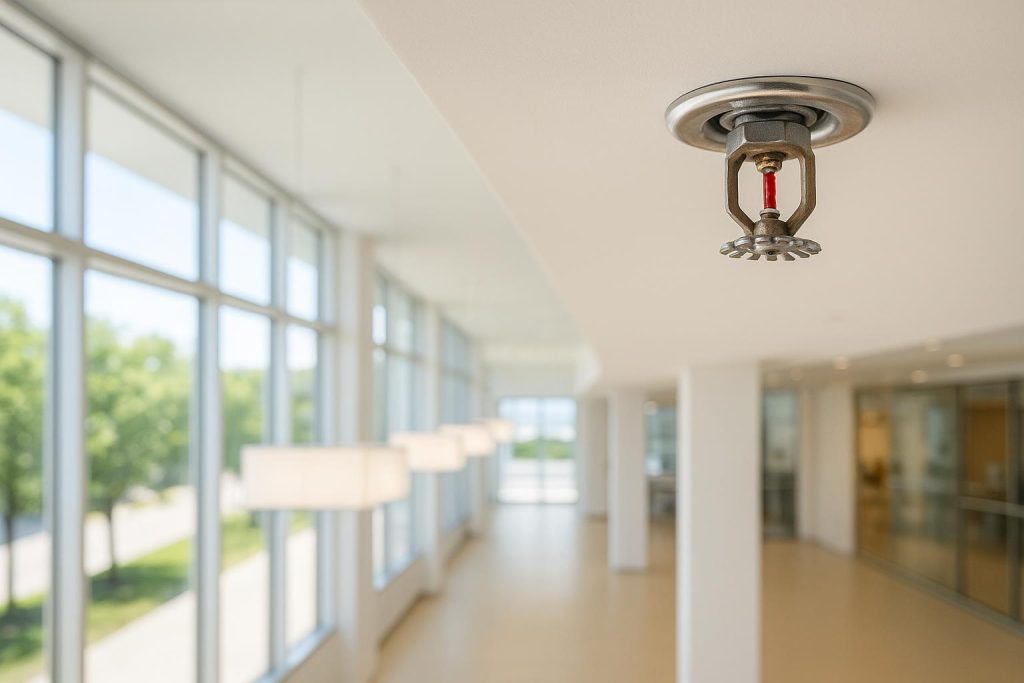
Fire sprinkler systems use water as their primary means of extinguishing or controlling a fire. These systems generally activate when the heat from a fire triggers a sprinkler head in the affected area. Once triggered, water is released over the source of the flames to help cool the burning materials and contain the fire.
Often, each sprinkler head works independently. If a fire is contained to a single room or a specific part of the building, only the nearest sprinkler heads activate. This targeted approach helps minimize unnecessary water release in areas not directly impacted by the fire, reducing water damage. Fire sprinkler systems are considered highly effective at preventing small fires from growing and posing a large-scale threat.
Key Advantages of Fire Sprinkler Systems
- Immediate Response: Sprinkler systems activate quickly once heat levels at the sprinkler head surpass a set threshold. This can greatly reduce the spread of flames.
- Cost-Effective Installation: In many cases, installing fire sprinklers is more affordable than more complex alternatives. Maintenance costs can also be lower.
- Minimal Damage: Sprinklers deliver water to a concentrated area, which typically results in less property damage than a whole-floor soaking or more invasive fire control measures.
How Do Fire Suppression Systems Work?
In contrast to sprinklers, fire suppression systems rely on specialized agents to extinguish or control a fire. These agents might be chemical, gaseous, or foam-based, depending on the specific hazards in the protected space. Common fire suppression agents include clean agents used to protect areas with sensitive equipment (like data centers) or commercial kitchens. They are often designed to starve the fire of oxygen, interrupt the chemical chain reaction that keeps the fire burning, or otherwise smother flames without using water.
Fire suppression systems are typically installed in environments where water might be unsuitable or cause extensive damage. Consider a computer server room that contains sensitive electronic equipment; water overspray can result in costly replacements. A targeted fire suppression agent can extinguish the flames while minimizing the potential for equipment damage. Similarly, many commercial kitchens rely on wet chemical agents specifically formulated to handle grease fires.
Key Advantages of Fire Suppression Systems
- Versatility: From chemical agents that suppress grease fires to clean agents designed for sensitive electronics, there is a fire suppression solution for nearly every specialized need.
- Lower Collateral Damage: By using targeted agents instead of water, fire suppression systems can reduce the risk of water damage to sensitive equipment or valuable assets.
- Suitable for Larger Fires: If a fire grows larger or involves special hazards, a well-designed fire suppression system can be more effective than a typical sprinkler system.
When to Consider Fire Sprinkler Systems vs. Fire Suppression Systems
Deciding whether to install a fire sprinkler or fire suppression system (or both) depends on multiple factors: the type of facility, the local fire codes that apply to your building, and the nature of the materials stored or handled on-site. In many commercial and industrial settings, both systems are present in different parts of the building to address a variety of potential fire hazards.
Here are a few general considerations:
- Building Layout and Occupancy: Large commercial buildings where many people gather, such as shopping centers, typically use fire sprinkler systems across most areas. However, spaces containing specific hazards—such as restaurants with commercial kitchens—may add specialized fire suppression to handle grease fires.
- Equipment and Contents: Data centers, archives, or facilities with expensive electronics often use clean agent suppression systems to prevent water-related damage. Tradition office areas might rely on sprinkler systems alone.
- Code Requirements: Depending on local building codes and fire regulations, certain environments must be fitted with specific systems. A high-hazard industrial facility might be required to implement a more advanced suppression system than a typical office building.
It’s always a best practice to work with a fire protection services provider and certified technicians who can guide you through code compliance requirements. That way, you’ll have confidence that your building has the proper life safety systems in place. If you’re weighing both solutions, consider engaging experts with experience in Fire Suppression and Fire Sprinklers to recommend the right approach for your facility.
Breaking Down the Installation Process
When installing a new fire sprinkler or fire suppression system, the steps usually include:
- Risk Assessment: Professionals review the space, identify potential hazards, and decide which type of system aligns best with the environment. For example, in an automobile repair shop, flammable liquids may require specific foam-based or chemical-based agents, while standard offices might do fine with water-based sprinklers.
- System Design: Once the needs and hazards are understood, a proposal is created, detailing the layout of piping (for sprinklers) or agent distribution (for suppression). This plan is designed to be code-compliant, following local regulations and relevant NFPA (National Fire Protection Association) standards.
- Installation: Certified technicians place the necessary piping, sprinkler heads, nozzles, or agent tanks in the optimal locations. They also install detection components to ensure the system activates at the right time.
- Testing and Commissioning: Before the system goes into active operation, it’s tested thoroughly. This step includes ensuring that pressures, detection signals, and release mechanisms are all functioning as intended.
- Ongoing Inspections and Maintenance: Fire sprinkler and fire suppression systems require regular system inspections and maintenance to remain reliable. Without regular checks, issues may go unnoticed until a fire emergency occurs.
Costs and Long-Term Considerations
A fire sprinkler system is often considered more budget-friendly both to install and maintain. Curved piping systems and standard parts can keep costs fairly predictable, and routine inspections are relatively straightforward. Moreover, widespread knowledge of sprinkler systems means that many professionals in the industry are adept at servicing them. Ensuring regular maintenance is crucial for keeping the system code-compliant and effective.
By contrast, fire suppression systems can be more specialized and, in certain cases, come with higher initial costs. If your workspace demands a non-water agent, you may need specialized storage tanks, piping, or detection mechanics that fit the agent’s requirements. Additionally, you’ll need a technician with expertise in that type of suppression system for routine checkups. However, the cost may be justified if your space houses high-value equipment or uniquely flammable materials, as a water-based system could cause more damage in those settings.
The Role of Codes and Compliance
Different provinces, municipalities, and local jurisdictions enforce building codes to keep occupants safe. A local fire marshal or city inspector may require you to install a specific type of life safety system based on the size and function of your building. Certified fire protection services companies prioritize these regulatory aspects at every stage of designing, installing, and maintaining your systems.
Staying up to date with code changes is an important part of ensuring your system remains valid. Even if your setup was code-compliant when installed, regulations can change over the years. Regular system inspections and maintenance are an excellent opportunity to confirm ongoing compliance. If you own or operate facilities in Edmonton, for instance, it’s wise to keep regulations specific to that region in mind.
Maintenance and Inspections: Why They Matter
Whether you rely on a fire sprinkler system, a fire suppression system, or both, you need scheduled inspections to maintain readiness for emergencies. A neglected system can be as ineffective as no system at all. Regular testing ensures that release valves open correctly, detectors sense heat or smoke, and agent storage tanks remain pressurized with the correct amount of fire suppressants. For sprinkler systems, technicians confirm that pipes are free from leaks or corrosion.
During an inspection, you might also discover changes in your building’s occupancy or layout. That can lead to modifications or expansions of your existing setup. By staying proactive, you not only meet code compliance obligations but also ensure you are ready to mitigate fire risks at a moment’s notice.
Common Questions About Fire Sprinkler and Fire Suppression Systems
It’s natural to have questions about the specifics of these systems, particularly if you’re new to building ownership, property management, or facility oversight. Below are a few more points of clarification.
- Do I need both a fire sprinkler and a fire suppression system? It depends on your building’s needs. Many locations rely solely on sprinklers, while others benefit from a suppression system for specialized areas such as kitchens, server rooms, or flammable material storage.
- Are these systems difficult to operate? Both fire sprinkler and fire suppression systems activate automatically when conditions warrant—no manual intervention is typically required. Regular inspections ensure the automatic triggers work when needed.
- How do I know which system is legally required? Consult local fire codes or speak with certified technicians who are familiar with your jurisdiction’s standards. In some places, a full set of both sprinklers and a targeted suppression system might be mandated by law.
- Will insurance premiums be lower if I have these systems? Many insurance providers offer discounts for having well-maintained life safety systems, recognizing that a building with active fire control features is at a lower risk of catastrophic loss.
Finding the Best Fire Protection Solution
Ultimately, the best solution for your particular environment might be a combination of both water-based and non-water-based fire control measures. Fire sprinkler systems excel at containing everyday risks and smaller fires. Fire suppression systems tend to shine in situations where water could be damaging or inadequate.
If you manage a facility with specialized hazards, it is crucial to consult with fire protection professionals who have a solid tracking record of designing, installing, and maintaining code-compliant systems. Having expert guidance—especially from a company that provides Fire Protection Services—can help you navigate the complex landscape of local regulations, safety priorities, and cost-management concerns.
When to Call a Professional
Any time you have questions about a system’s functionality or you’re making changes in your building that could impact fire safety, reaching out to an expert is recommended. Certified technicians can assess upgrades, expansions, or modifications to ensure your system remains functional and legally compliant. If you are installing new fire alarm or suppression systems, or simply need code-compliant inspections, working with qualified professionals helps safeguard life and property.
Your Next Steps: Safeguarding People and Property
Fire events can escalate quickly, and having the right life safety systems in place can reduce damage, prevent injuries, and in some cases, save lives. Whether you opt for a water-based sprinkler system, a specialized agent-based suppression system, or a combination of both, proper system inspections and maintenance remain critical. If you feel uncertain about compatibility, local regulations, or the ideal agent for your application, expert advice can clarify your path forward.
With the right balance between fire sprinkler systems and advanced fire suppression solutions, you put yourself in a strong position to handle a variety of fire risks. Given that both system types have unique strengths, many professionals recommend using sprinklers in general areas and a targeted suppression system in specialized zones with heightened risks or sensitive equipment.
By staying informed about your available options, ensuring regular inspections, and working with knowledgeable service providers, you’ll help protect not only your property but also the people who rely on safe and functioning facilities every day.
