
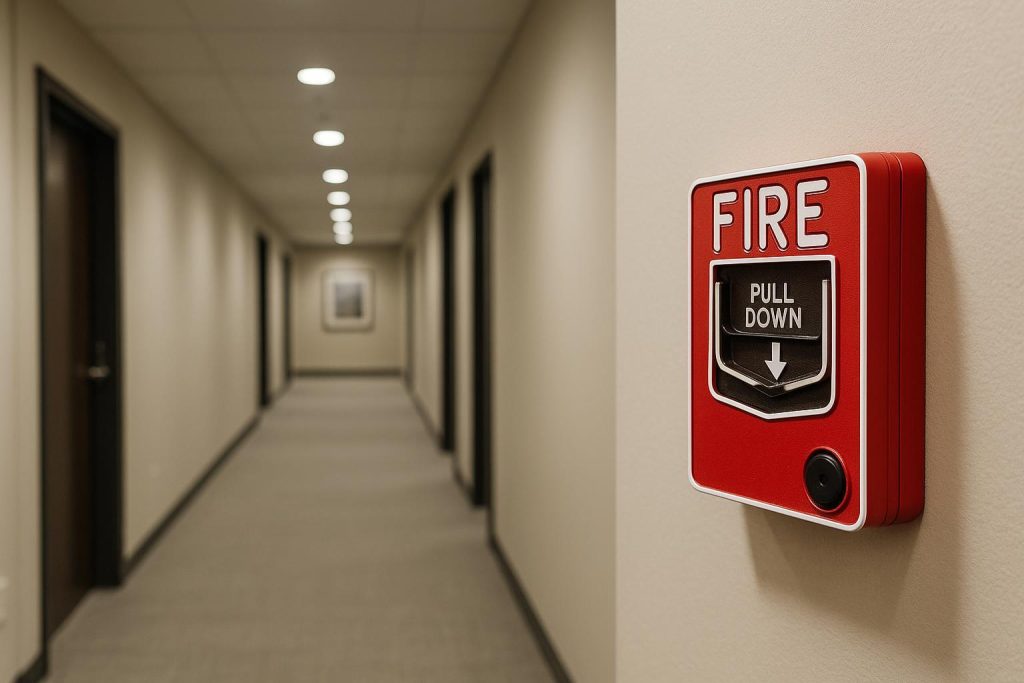
Why Modern Fire Alarms Offer Unmatched Protection
Fire alarms are more than just noisemakers designed to alert occupants of a potential emergency. Today’s top-of-the-line fire alarms are sophisticated, code-compliant devices that help preserve lives and protect property. In an age where technology evolves quickly, understanding what makes a modern fire alarm stand out can give you the peace of mind needed to run your business with confidence. Below, we explore how advanced fire alarm technology works, the essential features that set high-quality systems apart, and how regular system inspections and maintenance play a crucial role in helping you stay prepared. If you’re a commercial property owner or facility manager, you’ll learn why making the right choice in alarms pays dividends in both safety and compliance.
Core Elements of a Quality Fire Alarm
A reliable fire alarm is at the heart of a well-rounded life safety system. Whether your building is an office space, a retail store, or a large industrial facility, the fire alarm’s purpose is clear: detect a threat quickly, issue an alert immediately, and help get everyone to safety. But what separates a top-tier fire alarm from a run-of-the-mill model? Here are a few core elements:
- Early Detection: High-grade fire alarms incorporate sensitive technology capable of detecting a fire long before it becomes dangerous. By monitoring for smoke, heat, or chemical byproducts, these alarms provide early warnings that can be life-saving.
- Reliable Alerts: Modern systems use audible sirens, flashing strobe lights, or voice evacuation messages to reduce confusion. This clarity helps people evacuate calmly and swiftly.
- Scalability: Enterprises often span multiple floors or wings, requiring integrated solutions that handle varying building sizes. A top-of-the-line fire alarm is flexible, making it simpler to retrofit additional sensors or control panels as your business grows.
- Redundancy: Through backup batteries or redundant communication paths, advanced alarms remain operational during power failures or network outages. This ensures no single point of failure compromises occupant safety.
- Remote Monitoring: Many modern fire alarm and suppression systems support remote alerts or monitoring, meaning you and your support team can stay informed about alarms 24/7. This feature strengthens emergency response and can reduce potential downtime.
The Importance of Code Compliance
Commercial buildings must follow strict safety regulations. These codes vary by region, but they often specify everything from alarm panel size to the type and placement of detectors. By installing a fire alarm that meets these standards, you’re not only providing better protection for lives and property, but you’re also avoiding fines or legal complications. When you choose a service that specializes in fire protection services, you benefit from a team of certified technicians who understand code nuances. This expertise ensures your fire alarm system complies with local regulations and national standards—an essential part of responsible building ownership.
Code compliance goes beyond simply checking boxes. A system that meets established guidelines typically performs better in real-world conditions. For instance, using high-quality detectors and ensuring detectors are placed correctly increase the odds of detecting a fire in its earliest stages. Having your system installed by professionals who offer end-to-end fire protection services guarantees that no detail gets overlooked, from the size of the strobe lights to ensuring power supply redundancy. Consistently following these codes and best practices can reduce the risk of false alarms, improve occupant safety, and help you pass mandatory inspections with minimal hassle.
Why Technology Matters for Fire Alarms
The best fire alarms on the market rely on a range of advanced technologies to stay efficient, accurate, and durable. For instance, some detectors leverage ionization sensors best suited for fast-burning fires, while photoelectric sensors excel at detecting smoldering fires. Top-tier systems often combine both types, ensuring early activation regardless of how a fire starts. Additionally, modern fire alarm panels are far more intuitive to operate. User-friendly interfaces display real-time data, event history, and immediate notifications if certain zones show elevated heat or smoke levels.
Innovations also allow for integration with other life safety systems. Many buildings rely on sprinklers, fire suppression systems, and emergency lighting. A technology-forward alarm panel can communicate directly with these components, automatically triggering sprinkler activation or specialized suppression measures such as clean agent release when smoke or heat is detected. This level of integration streamlines the entire response process. In many cases, building managers can log into a remote portal to see which devices or zones are experiencing issues, all in real time. Responsive technology like this not only helps keep everyone safe but also reduces the risk of downtime, which is critical for busy commercial establishments.
System Inspections and Maintenance for Long-Term Security
No matter how advanced or feature-rich a fire alarm is, long-term security depends on regular upkeep. Moving parts can wear out, sensors can get dusty, and power sources may degrade over time. Scheduling consistent system inspections and maintenance is critical. Certified technicians who specialize in fire safety perform thorough tests to verify the alarm’s readiness. They can also identify any vulnerabilities—such as a buildup of debris in a detector—that might impede proper operation.
Regular inspections can uncover hidden issues, including outdated hardware or wiring problems that might produce false alarms. Beyond the inconvenience, false alarms can quickly erode trust in your life safety systems. Frequent false emergencies create confusion, and occupants may eventually ignore crucial signals. Routine maintenance keeps the system working smoothly, ensuring prompt detection and fewer disruptions. Many service providers offer monthly, quarterly, or annual checkups, depending on the requirements for your particular building type and occupancy. One of the best ways to manage these schedules is to work with a trusted partner who offers comprehensive fire protection services, handing you consistent checkups and any additional solutions you might need.
Expert Installation and Certified Technicians
The performance of any advanced fire alarm depends on how it’s installed. A well-designed system fitted by certified technicians with ample experience will vastly outperform a setup done by untrained personnel. Proper installation involves more than just mounting smoke detectors and hooking up wires to a central panel. It includes determining the correct number of devices, evaluating the best locations for maximum coverage, and ensuring all wiring meets local electrical guidelines. This level of planning and precision requires a combination of expertise, attention to detail, and familiarity with building codes.
When you work with professionals for fire alarm installation, you also get a system that integrates with other safety solutions. For instance, linking your alarm to a building’s fire extinguishers and fire sprinkler network can create a cohesive system that addresses emergencies faster. Experienced companies can also advise you on optional upgrades like specialized detection in server rooms or sensitive manufacturing areas. Equally important is the ability to offer emergency fire services, ensuring swift help if a problem arises at your facility—day or night.
The Role of Monitoring Services
While a blaring alarm might alert on-site personnel, many commercial spaces are left unattended after hours. That’s where monitoring services become essential. A monitored alarm notifies a remote center the instant it detects trouble, prompting them to dispatch emergency responders to your location. Quick intervention can be crucial in preventing severe damage and potential harm to occupants or visitors.
Combining advanced alarms with professional monitoring also minimizes stress for building owners. If a fire or system malfunction occurs at odd hours, you don’t have to rely on passersby or watchful neighbors. The monitoring center takes action to protect your property. If your facility is located in Edmonton or anywhere in the surrounding region, partnering with a local fire protection provider can ensure that emergency crews and technicians have fast access. This collaboration is especially valuable for large commercial sites holding sensitive materials. Immediate response and swift containment are critical in such settings.
Customizing Your Fire Alarm Setup
Every building is unique, featuring different layouts, occupancy types, and operational requirements. A top-of-the-line fire alarm system should be customizable, addressing your specific needs whether you run a restaurant, a corporate office, or a large manufacturing plant. For instance, a restaurant’s kitchen demands specialized detectors that can handle steam and cooking fumes without false alarms, while industrial settings may need heat detectors in high-temperature zones where smoke sensors alone wouldn’t suffice. In places like server rooms or other temperature-sensitive areas, combination detectors act as an additional line of protection for delicate electronics.
Customization doesn’t have to be complex. Many modern fire alarm systems are modular, meaning you can pick and choose detectors, control panels, and other components that best match your environment. A skilled fire protection services team will start by evaluating your property. They will identify potential hazards, local code stipulations, and the everyday conditions your alarm must handle. From there, they can design a layout to account for occupant loads, building materials, ventilation systems, and more. Ultimately, this personalized approach results in fewer false alarms and more accurate fire detection in any area where risk is heightened.
Integration with Fire Suppression and Other Systems
Commercial sites often have multiple safety solutions that all need to collaborate efficiently. For example, linking your alarm to fire suppression systems or fire alarm system monitoring solutions can optimize how quickly water sprinkler heads or other extinguishing agents engage. Seamless integration ensures an efficient sequence of events: The detector senses the fire, communicates with the alarm panel, and triggers water or clean agent release. This rapid response can slow the spread of a fire considerably, minimizing damage and lending more time for a complete evacuation.
Advanced connectivity also helps you manage maintenance more conveniently. The centralized interface can display status updates for both alarms and suppression systems, including any real-time errors. Instead of manually checking each device, you get a one-stop view of your entire safety setup. This integrated philosophy extends beyond firefighting methods, encompassing emergency exit lighting and signage as well. These elements need to be operational during an evacuation, and a well-coordinated system ensures they activate properly when a fire alarm triggers. In the midst of an emergency, every second counts, and such attention to detail can make all the difference for occupant safety.
Proactive Steps for Ongoing Safety
While the hardware of your fire alarm plays a huge role, proactive planning elevates it further. It’s essential to train personnel on how to respond to an alarm. A quick briefing on how to identify exit routes, how to properly use portable extinguishers, and where to gather outside the building can reinforce your life safety systems. Additionally, scheduling regular fire drills helps keep evacuation procedures fresh. With each drill, staff become more attuned to the alarms’ signals and better understand how to file out in a calm, timely way.
Another proactive approach is signing up for routine service programs. These programs typically cover detailed inspections, cleaning of sensitive components, and replacement of outdated gear. By dedicating resources to upkeep, you’re maximizing your equipment’s lifespan and increasing overall reliability. These steps are part of a holistic approach: advanced hardware plus committed personnel equals greater fire safety. When you prioritize both, you minimize risks to people, assets, and daily operations.
Finding the Right Fire Protection Partner
With so many equipment models and service providers on the market, choosing the right partner for your commercial fire alarm can seem daunting. However, if you look for extensive industry experience, local understanding of codes, and a full range of services—including design, installation, 24/7 emergency fire services, and ongoing maintenance—you’ll find a team equipped to address your unique challenges. Hiring a single provider to handle your fire safety from start to finish means fewer vendors to juggle, streamlined communication, and, most importantly, consistent quality. Having certified technicians who are well-versed in fire alarm and suppression systems is the key to reliable work across all stages of your system’s life cycle.
Locally owned companies with years of fire protection experience often also have strong ties to the community, meaning they know exactly how to meet regional codes and standards. They can respond quickly to service calls and provide peace of mind that your system remains up to date. The ideal partner will offer transparent quotes, thorough project timelines, and accessible support channels. This allows you to trust that when an alarm sounds, it’s not just noise—it’s the announcement of a well-designed system keeping you and your people safe.
Conclusion: Invest in Safety, Reap Lasting Benefits
A truly top-of-the-line fire alarm system surpasses the basics of simply detecting smoke. It’s a well-integrated component of your broader life safety system, working in harmony with sprinklers, fire extinguishers, and specialized fire suppression measures. By emphasizing code compliance, leveraging advanced technology, and relying on certified technicians for installation and maintenance, you create a protective shield around your property and everyone inside it. With each system inspection, you’re making sure that shield remains strong.
Whether you own a smaller retail store or manage a large corporate complex, the right alarm solution not only meets legal obligations but also instills confidence in employees, tenants, and visitors. When you know your building is prepared, you can focus on what you do best—serving customers, managing operations, and growing your enterprise. If you’d like more information on the benefits of modern fire alarms or want to assess your current setup, feel free to contact our experts for insights tailored to your business. Remember, it’s not just about meeting a requirement—it’s about safeguarding lives, assets, and your future.
