
Understanding Carbon Monoxide Detector Beeps and Practical Steps to Keep Your Space Safe
Carbon monoxide (CO) detectors are crucial components of a well-rounded life safety system. They safeguard homes and businesses from a toxic gas that is colorless, tasteless, and odorless. While most people know to take continuous alarm sounds seriously, many are unsure how to respond if their carbon monoxide detector beeps briefly and then stops. This guide will help you understand why your CO detector might beep intermittently, what steps you should take to stay safe, and how to ensure ongoing protection through regular system inspections and maintenance.
1. Why Carbon Monoxide Detectors Are Essential
Carbon monoxide detectors are one of the most critical fire protection services you can have in any building. CO is often called the “silent killer” because it is undetectable by human senses. Unfortunately, the gas can accumulate in enclosed spaces when fuel-burning appliances malfunction, when ventilation is poor, or when engines are running in attached garages. Even a short exposure to elevated levels of carbon monoxide can lead to severe health complications. As a result, code-compliant CO detectors are essential in both residential and commercial settings. They work by monitoring the air and triggering an alarm if potentially dangerous levels of carbon monoxide are present.
When you couple carbon monoxide detection with a broader range of life safety systems — such as fire alarm and suppression systems, fire sprinklers, and emergency lighting — you create an environment that is more thoroughly protected from multiple hazards. Always ensure your CO detectors are installed according to local building codes, and have them inspected regularly. Working with certified technicians helps ensure that these devices integrate seamlessly with other risk management measures on your property.
2. The Meaning Behind Different CO Detector Alerts
If you hear your carbon monoxide detector beep and then stop, you may be dealing with one of several possible scenarios. It is vital to understand the specific meaning of different types of beeps so you can respond appropriately:
- Continuous Alarm: When the detector emits a persistent alarm, it usually indicates the presence of a dangerous level of carbon monoxide. This is a serious situation. You should immediately ventilate the area by opening doors and windows, and then evacuate. Contact emergency fire services or your local fire department right away. If it is safe to do so, shut off potential CO sources (such as furnaces or other fuel-burning appliances).
- Intermittent or Short-Lived Alarm: Sometimes, you might hear a beep or a series of beeps that does not last long. This created confusion in many households or businesses because the short beep may stop as quickly as it started. There are three common reasons:
- Temporary CO Exposure: A quick change in air quality might trigger a short alarm, such as starting a vehicle in a garage next to your living space or running a malfunctioning appliance for a short period. Once the air clears, the detector may stop beeping.
- Low Battery: An intermittent beep — typically one beep every 30 to 60 seconds — can indicate a weak or dying battery. This does not necessarily mean there is a CO leak in your building; however, you should replace the batteries as soon as possible to be safe.
- End-of-Life Signal: CO detectors have a limited functional lifespan. This can vary between five to ten years, depending on the make and model. When the device reaches the end of its useful life, it often beeps or chirps periodically to alert you it is no longer reliable.
By identifying which signal you are hearing, you can take the most appropriate steps for your specific situation. If you have a commercial property or multi-unit residential building, it is particularly important to warn everyone in the area if you suspect a CO issue. A fully integrated fire protection strategy — complete with system inspections and maintenance protocols — helps prevent ambiguous alarm scenarios and ensures that any real danger is addressed quickly.
3. Immediate Steps When a CO Detector Beeps, Then Stops
Whenever you hear your carbon monoxide detector beep, it is best to remain calm yet proactive. Here is a step-by-step guide on what to do:
- Ventilate the Area: Even if the alarm stops, open windows and doors to allow fresh air to circulate. Carbon monoxide can dissipate quickly in well-ventilated conditions. This also helps lower potential CO concentrations if the trigger was a momentary spike.
- Check for Fuel-Burning Appliances: Inspect nearby appliances that could be the source of carbon monoxide. If you see any that have pilot lights (like furnaces or water heaters) and suspect a malfunction, turn them off until a certified professional can inspect them.
- Replace Batteries if Intermittent Beeps Persist: If you believe the beeps are due to a low battery, swap in fresh, high-quality batteries or rechargeable packs (if compatible) as soon as possible. After replacing the battery, reset your detector by pressing the reset button (usually described in the device manual). If the beeping ceases, it likely was a battery issue.
- Review the End-of-Life Date: Manufacturers typically print a manufactured or expiration date somewhere on the detector. If the detector is near or past its expiration date, replace it. A device beyond its service life may no longer detect carbon monoxide accurately.
- Consult Experts if Unsure: If you cannot determine why the device beeped, or if the alarm continues intermittently even after replacing batteries, it is wise to reach out to a professional. Certified technicians who specialize in fire alarm system services and CO detection can help assess the situation and perform necessary repairs or replacements.
4. How to Distinguish Safe Situations from Real Dangers
One of the most common questions about CO detection is: “When do I treat a beep as a real threat?” The simplest answer is that you should treat every warning from your carbon monoxide detector seriously. Even if the beep stops, it may only indicate that the immediate threat has diminished, not that it never existed. A professional assessment can confirm whether you truly had a CO leak in your home or business.
Because carbon monoxide can be so dangerous, if you experience symptoms such as headaches, dizziness, weakness, nausea, or confusion, exit the building and seek fresh air. Symptoms of CO poisoning often mimic the flu but usually get better once you are out in the open air. If you suspect you have inhaled a dangerous level of CO, call emergency services right away.
5. Preventive Measures and Long-Term Safety
Responding to a surprise beep is one thing, but prevention is the key aspect to protecting your property and those within it. Implement these preventive strategies to minimize the risk of carbon monoxide exposure:
- Install CO Detectors on Every Level of the Building: Ensure you have at least one detector near each sleeping area and in common areas. If you operate a commercial property with multiple floors, place detectors strategically in each section, particularly near areas where fossil-fuel appliances or vehicles could produce CO.
- Regularly Inspect Fuel-Burning Appliances: Furnaces, boilers, water heaters, generators, and other fuel-burning appliances should be part of a frequent inspection schedule. Inspections keep your systems code-compliant and help detect minor issues before they become life-threatening.
- Maintain Good Ventilation: Keep rooms well ventilated, especially if you have a fireplace or use space heaters. Inadequate ventilation is one of the most common risk factors for CO buildup.
- Collaborate with Certified Technicians: Partnering with trained professionals assures that your CO detectors, as well as your fire alarm and suppression systems, remain ready for emergencies. During regular system inspections and maintenance, these experts can spot problems early, perform repairs, and verify the detectors’ functionality.
- Avoid Idle Vehicles in Garages: Do not leave vehicles running in enclosed spaces without ventilation. Even with an attached garage door open, carbon monoxide can seep into the living areas of a house or the occupied areas of a commercial building.
6. Integrating CO Detectors with Commercial Fire Alarm Systems
For commercial or industrial environments, integrating CO detectors into an overarching fire alarm system can offer a higher level of safety. In addition to having standalone units, a code-compliant setup can tie your CO detectors to monitored fire alarms that alert you and emergency fire services simultaneously. This can be especially valuable in larger properties where staff might not hear a localized alarm. If you operate in an urban region — like Edmonton or surrounding areas — consider working with a company that provides robust fire protection services to ensure every aspect of your life safety systems is coordinated. That way, you will receive prompt notifications in the event of a carbon monoxide leak or any fire-related emergency.
Where there is a strong possibility of a CO leak, the alarm system can also be configured to shut down certain equipment to prevent further buildup, or to activate fans that ventilate the area. Such modern, integrated life safety solutions are particularly beneficial for places like parking garages, manufacturing sites, and other structures where vehicles or machinery frequently run.
7. When to Repair, Replace, or Upgrade Your CO Detector
Even the best carbon monoxide detector does not last forever. Most manufacturers recommend replacement every five to ten years. However, you should always rely on the specific guidance provided in the detector’s user manual, since different models have varying lifespans. If you are uncertain about the health of your CO detectors, consider scheduling an appointment with a professional specializing in fire alarm and suppression systems. They can verify the condition and performance of your detectors and advise you on whether you need a simple repair or a complete upgrade.
Additionally, whenever you update or expand your building’s fuel-burning appliances, it is a good idea to revisit your CO detection strategy. Adding a new ventilation system, modern heater, or other significant changes can alter how carbon monoxide accumulates. A thorough review by certified technicians ensures your setup remains aligned with current safety standards and building codes.
8. Common Myths and Misconceptions
Myth 1: “Intermittent beeping always means a low battery.” While a low battery often creates chirping noises, never assume that is the only cause. Investigate the possibility of genuine CO detection or an end-of-life signal.
Myth 2: “CO detectors are only necessary in winter.” Fuel-burning appliances and vehicles can create carbon monoxide at any time of the year. Install detectors to ensure year-round safety, no matter the season.
Myth 3: “Detecting CO is enough — I do not need fire alarm systems.” Carbon monoxide detection is only one important part of comprehensive fire protection services. To safeguard your building fully, combine CO detectors with smoke alarms, fire sprinklers, and sometimes specialized suppression systems if your operation requires it.
9. How Professional Inspection Services Can Help
When you partner with fire protection experts, you benefit from their technical expertise and real-world experience in life safety systems. These professionals can perform system inspections and maintenance on everything from carbon monoxide alarms to fire alarm systems, ensuring that each component is functioning as intended. Such inspections often include:
- Checking batteries and power sources in CO and smoke detectors
- Confirming device age and eligibility for re-certification or replacement
- Ensuring the alarm sounds at the correct decibel level for the environment
- Verifying code compliance for all monitoring and detection setups
- Assessing safe and clear egress, confirming exit signage and emergency lighting are functional
By staying on top of these inspections — whether you manage a small business or a large commercial facility — you ensure that your staff, visitors, and property remain safe. In case of an incident, you also show compliance with local regulations, reducing the risk of legal or insurance complications.
10. Troubleshooting Tips and Final Thoughts
If your carbon monoxide detector beeps and then stops, do not ignore it. Instead, check the device immediately to see whether it is a short-lived alarm, a low battery, or an end-of-life warning. Meanwhile, ascertain that no actual CO hazard remains in the area. If you detect any signs of carbon monoxide poisoning or if there is any doubt about your equipment’s reliability, consult a professional right away.
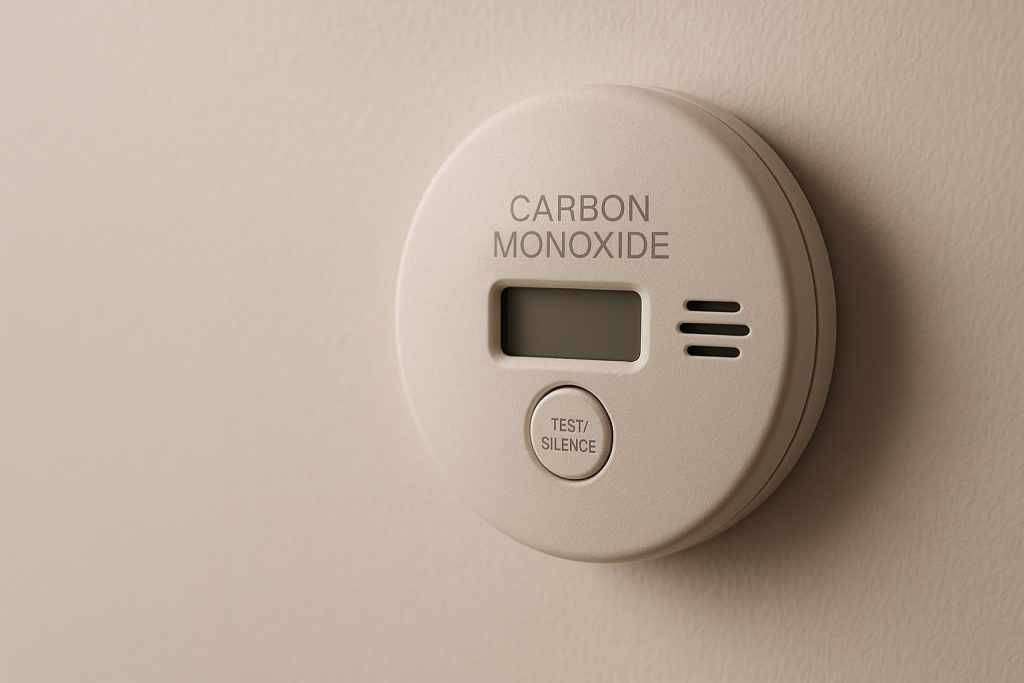
To maintain your CO detector, keep it free of dust, ensure the display (if present) remains visible, and test it according to the manufacturer’s instructions. Most units feature a “test” button that should be pressed monthly to confirm the alarm’s functionality. If you own a business or commercial property, consider scheduling periodic reviews of your entire life safety system — from CO detectors to fire alarm and suppression systems — to keep your space prepared for any potential emergency.
Carbon monoxide safety is as vital to protecting lives and property as a quality fire protection plan. By understanding why your carbon monoxide detector might beep and then stop, you can take meaningful, immediate steps to secure your environment. Remember to take advantage of resources like professional inspections and code-compliant installations to ensure your CO detection tools are functioning optimally. After all, safety is an integral part of daily life, whether at home or at work.
If you have further questions about carbon monoxide detection or how it might relate to your broader fire protection services, consider reaching out to certified technicians who specialize in both emergency fire services and general system inspections and maintenance. By proactively addressing these concerns, you protect not only your own property and well-being, but also everyone who relies on you for a safe environment.
