
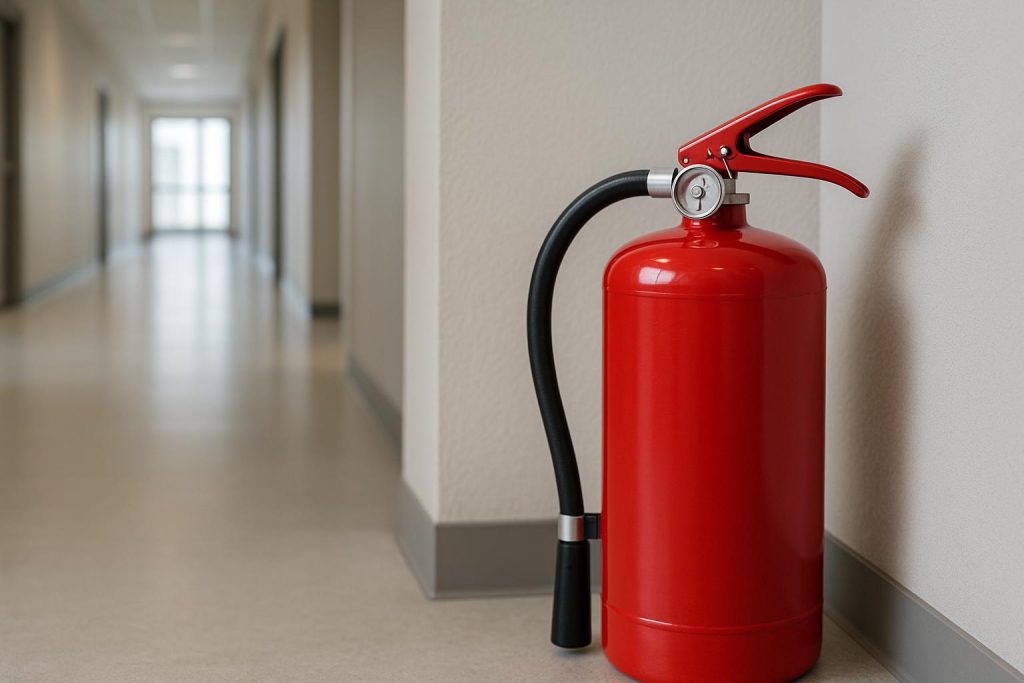
Essential Steps for Disposing of an Expired Fire Extinguisher
Fire extinguishers are an essential part of any life safety system. These devices give you a first line of defense against small fires, whether in a home or business. But like any piece of emergency equipment, fire extinguishers can wear out over time—or eventually reach their official expiration date. The moment an extinguisher expires, it loses reliability. In an emergency, you don’t want to trust a device that may not work properly. That’s why knowing what to do with an expired fire extinguisher is vital. Below, we’ll explore why fire extinguishers expire, how to check when they need to be replaced, and the right steps to take for safe, compliant disposal. We’ll also share ways to maintain your fire extinguishers so they remain ready when you need them.
Why Fire Extinguishers Have an Expiration Date
While it may seem surprising that something made to combat fires can itself “expire,” there is a solid technical reason. Fire extinguishers are pressurized canisters containing specific fire suppression agents, such as dry chemical powder, carbon dioxide, or clean agents. Over several years, the pressurized components can degrade or lose effectiveness, and the internal fire suppressant can break down or even settle. Eventually, these aging factors compromise the extinguisher’s functionality. Manufacturers typically recommend replacing or hydrostatically testing extinguishers at certain intervals, often between 5 and 15 years depending on the model.
Another consideration is modern safety standards. Over the years, improved fire safety regulations and updated technology can render older models less effective or noncompliant. In addition, if you manage a business or commercial property, it’s crucial to keep your building code-compliant by following guidelines on the types, sizes, and placement of fire extinguishers. Keeping track of expiration dates ensures your building meets these codes, provides genuine protection, and helps you avoid penalties during fire inspections or audits.
How to Check If a Fire Extinguisher Is Expired
Identifying whether your fire extinguisher is reaching—or has already reached—its useful life is not always difficult. The key is to conduct periodic inspections and pay attention to the following signs:
- Manufacturer’s Date or Label: Most extinguishers include a date stamp, label, or manufacturer note indicating when they were produced. If the extinguisher is approaching or past the designated end-of-service date, it’s time to replace or professionally evaluate it.
- Pressure Gauge Reading: On many extinguishers, there is a built-in gauge with a needle indicating if the interior pressure is in the green “optimal” zone. If the needle is too low or in the red, the extinguisher may not function correctly. Consistently low pressure can also indicate leaks or faulty seals, both signs of an extinguisher nearing the end of its life.
- Physical Condition: Look for rust, dents, discharge residue, and corrosion around seams or valves. If there is visible damage to the cylinder, the extinguisher may no longer be safe and should be recycled or disposed of according to regulations. The presence of cracks in the hose, broken nozzles, or a missing safety pin can also indicate it’s time for service or replacement.
- Powder Compaction: In dry chemical extinguishers, the agent can settle over time. Gently tapping or shaking the cylinder can help detect whether the powder has become compacted. If you can’t feel the powder shifting inside, it may be caked or hardened, affecting discharge.
- Inspection Tags and Maintenance Records: In commercial or industrial settings, fire extinguishers often bear inspection tags. These detail the last date of maintenance or inspection. If the tag indicates that an extinguisher has not received professional maintenance for years, it’s possible it has passed the recommended lifespan.
Vigilantly checking these factors helps you spot when an extinguisher is no longer reliable. Even if an extinguisher does not show obvious signs of damage, following the recommended replacement intervals ensures you’re not counting on outdated equipment in a crisis.
Why Proper Disposal Matters
When an extinguisher expires, many people assume it can simply be tossed in the garbage. However, these devices can pose serious risks if not handled correctly. Fire extinguishers are pressurized, potentially releasing chemical agents or propellant if severely punctured during trash compaction. Also, some older extinguishers may contain chemicals considered hazardous under local waste disposal regulations. Instead of disposing of them carelessly, it’s wise to follow the recommended disposal process in your community. Proper disposal also promotes environmental responsibility, ensuring that recyclable metal and plastic parts are not wasted and any hazardous material is processed safely.
In many jurisdictions, it is illegal to place a still-pressurized container in a regular trash or recycling bin. These rules exist to prevent accidental discharges, protect sanitation workers, and reduce the release of chemicals into the environment. Additionally, adhering to local rules reinforces a commitment to safety that sets a good example for family members or employees.
Steps for Disposing of an Expired Fire Extinguisher
Because fire extinguishers vary in design, it is a good idea to first consult the manufacturer’s recommendations or your local fire department’s guidance. Here is a general guideline to properly dispose of an expired extinguisher:
- Check Local Regulations: Before you do anything else, determine your municipality’s or province’s disposal requirements. In some areas, hazardous waste facilities accept spent fire extinguishers, while other locales provide drop-off sites or special collection events.
- Ensure Full Discharge (If Safe): If it’s legal and safe to do so in your area, discharge any remaining pressure by squeezing the lever until no pressure remains. Some older or damaged extinguishers may require handling by qualified professionals. After discharging, remove the hose or nozzle to prove it’s no longer pressurized.
- Dismantle if Possible: If the extinguisher is fully depressurized and your local regulations allow, remove the head from the cylinder. This step can help recycling centers quickly identify that the extinguisher contains no residual pressure.
- Recycle or Drop Off: Once depressurized, you can usually recycle the metal canisters. Check if local facilities accept them. If not, bring the entire extinguisher to a hazardous waste disposal site. You can also contact fire stations; some accept expired extinguishers or direct you to authorized facilities.
- Documentation: Particularly for businesses, it’s good practice to maintain records of disposal and replacement. This helps confirm compliance and track equipment lifespans, an important process for commercial properties or insurance documentation.
By following these steps, you reduce the risk of accidental discharge and keep any hazardous materials contained. If you’re unsure about handling an extinguisher, contact experts for advice or disposal assistance.
Replacing the Expired Extinguisher
Having a functional fire extinguisher at all times helps you respond to small fires quickly and effectively. That’s why, once you realize your extinguisher is expired or compromised, it’s important to replace it right away:
- Match the Fire Class: Typically, multi-purpose units (Class ABC) work well in most homes or businesses. If you operate a commercial kitchen or handle flammable liquids, you may need specialized models labeled for Class K or Class B fires.
- Size and Weight: Consider the size that best suits your home or business. Large units can put out bigger fires but may be heavier, so balance the need for extinguishing power with the practicality of easy handling.
- Look for Certified Models: Choose extinguishers tested and certified by recognized agencies, such as Underwriters Laboratories (UL), to ensure reliability. In commercial settings, local fire codes often dictate specific size, type, and installation requirements.
- Routine Maintenance Plan: Once replaced, set up a schedule for monthly, quarterly, or annual checks. You don’t have to be an expert to spot low pressure or signs of visible damage, but a licensed fire protection service can confirm that your system is code-compliant.
If you have questions about the right type of extinguisher for your property, it helps to consult a professional or reference current building and fire codes. Whether it’s a small office, a warehouse, or a busy restaurant, the correct extinguisher specifications can make all the difference in an emergency situation.
Maintenance Tips to Extend the Life of Your Fire Extinguisher
One of the best ways to ensure your fire extinguishers live a full lifespan—and remain in optimal condition—is to keep up with simple maintenance. Here are some practical tips:
- Regular Visual Inspections: At least once a month, check the pressure gauge, nozzle, and safety seal. Look for tampering or damage.
- Annual Professional Servicing: Many local fire codes require commercial property owners to schedule annual inspections. A certified technician can point out small issues before they become big problems, calibrate the pressure, or recommend a recharge.
- Proper Storage: Keep extinguishers in an accessible location, away from direct sunlight or extreme temperatures. Mount them on the wall or in a designated cabinet to avoid accidental damage.
- Training and Awareness: Everyone in your household, office, or workspace should know where extinguishers are located and how to use them correctly. This knowledge maximizes the extinguisher’s effectiveness.
- Recharge After Use: Even if you only use a small amount of your extinguisher’s contents, it should be recharged afterward. Partial use can reduce the internal pressure and chemical level, making the extinguisher unreliable.
These basic procedures not only help you get more mileage out of your extinguishers, but they also empower you to respond to fires safely and promptly if needed.
Other Fire Safety Measures to Consider
Disposing of an expired extinguisher is just one component of maintaining an effective fire safety strategy. Here are a few other strategies to help protect your property:
- Fire Alarms: Ensuring that your fire alarm system is in good working order is crucial. Early detection gives you and your occupants time to evacuate or contain a small fire before it spreads. You can learn more about electronic alarm solutions on our Fire Alarm Systems page.
- Fire Sprinklers: A properly maintained sprinkler system activates automatically upon detecting high heat and can suppress or extinguish many fires in the early stages. Visit our Fire Sprinklers page to explore how these systems work and why they matter.
- Fire Suppression Services: Some settings require specialized suppression systems, such as kitchen hoods in restaurants or clean agent systems in server rooms. Our Fire Suppression Services overview provides details on solutions for specific hazards.
- Emergency Lighting and Exits: In a fire, visibility can vanish in a heartbeat. Illuminated signs and backup lights help ensure people can find the exit quickly. Keep these systems well maintained, especially in commercial buildings.
- System Monitoring: To further bolster safety, consider professional monitoring. If the alarm or sprinkler system activates, monitoring services immediately alert emergency responders. For more details, see our Fire Alarm System Monitoring information.
When you integrate these measures, you form a multilayered safety net that addresses everything from early detection and suppression to safe evacuation.
Where to Turn for More Information
Part of effective fire protection is having a trusted resource to turn to when questions arise. Whether you need help confirming an extinguisher’s status or you are unsure about local disposal procedures, you can often contact your community’s waste management department, fire brigade, or a professional fire protection service. This ensures you have the most accurate information on how to remain code-compliant and safe. If you manage a commercial building, professional guidance is especially critical. Certain industries or facility types may have unique requirements for extinguishers, sprinklers, and alarm equipment. In these cases, a certified technician can offer clarity and help avoid compliance pitfalls.
Around-the-Clock Safety and Support
No one ever plans to need a fire extinguisher, but emergencies can happen at any time. With a dependable service provider, you can be ready for the unexpected. Updated and well-maintained extinguishers, along with robust fire alarm systems and scheduled inspections, provide peace of mind that your building stands a strong chance against a potential fire. Ensuring your extinguishers are free from damage, adequately pressurized, and replaced when expired is a key step in that overall strategy. Taking these issues seriously not only safeguards property and life but also helps maintain building code compliance.
Staying Prepared for the Long Term
Once you dispose of your expired fire extinguisher and install a new one, consider documenting the new unit’s purchase date and plan routine checks in advance. Keep track of manufacturer updates or recall notices. If the extinguisher is in a place with lots of foot traffic, make sure you run quick monthly inspections—or coordinate with your employees for these checks—to confirm no tampering or accidental discharges. Regularly scheduled professional maintenance is always a valuable investment, especially for businesses seeking consistent fire safety readiness.
Final Thoughts on Safe Disposal and Replacement
Properly disposing of an expired fire extinguisher is a critical responsibility that helps keep your environment safe and your equipment in top condition. By taking these steps seriously, you actively minimize risks for your household or workplace. In the grand scheme of fire protection services, small details—like correct extinguisher disposal—can make a significant difference when every second counts. Remember to confirm local regulations, discharge any remaining pressure, and recycle or drop off the cylinder at a facility equipped to handle pressurized canisters. Then, follow up by replacing your extinguisher to ensure you continue to have an effective, code-compliant first line of fire defense.
Whether you are a homeowner or a commercial property manager, a well-maintained fire extinguisher should never be overlooked. If you have any questions about when or how to replace extinguishers—or if you want guidance on a broad range of fire safety topics—contact a qualified professional. In addition, you can learn more about extinguishers and other fire protection solutions on our dedicated Fire Extinguishers page. Staying informed and proactive ensures that you, your occupants, and your property remain as protected as possible.
