
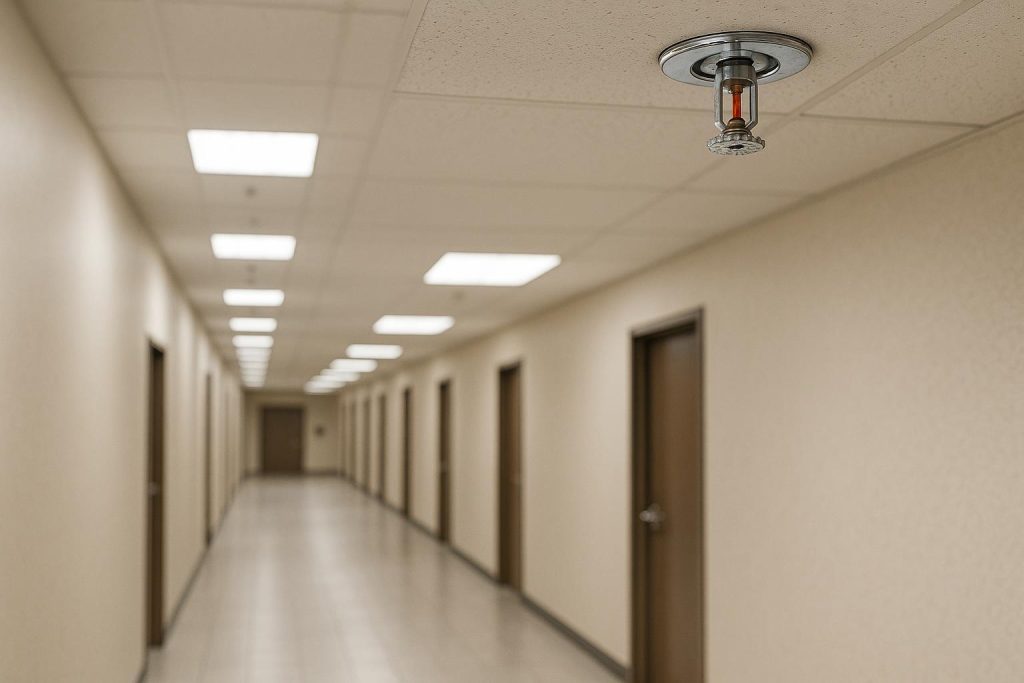
Commercial Fire Sprinklers: Understanding Requirements and Best Practices
Fire sprinklers play a vital role in protecting both people and property. In many commercial buildings, these systems are not just recommended—they are required by local or national fire codes. Yet, many property owners and managers remain unsure about when a sprinkler system is necessary or how to maintain it properly. This guide aims to clear up the confusion, explaining the key factors that determine sprinkler requirements, the benefits they provide, and the steps needed to keep them running at peak performance. Whether you operate a large warehouse, a busy retail space, or an office complex, understanding these systems can help safeguard employees, visitors, and the building itself.
In this article, we will cover:
- The legal and regulatory context around fire sprinklers
- Building classifications and occupancy considerations
- Specific conditions under which sprinklers are typically mandated
- Key benefits of having a fire sprinkler system
- Common concerns and best practices for ongoing maintenance
- How these systems integrate with other fire protection services
By the end, you will have a clearer sense of when sprinklers are required and how to ensure your commercial property stays code-compliant and prepared for unexpected emergencies.
Note: Always consult the local fire code in your area to determine the precise requirements for your building. Although there are general guidelines across many jurisdictions, each region can have unique rules, especially regarding occupancies and property layouts.
Understanding Local Fire Codes and Regulations
Every municipality has its own set of regulations concerning life safety systems, such as fire sprinklers. Some adopt national or international standards, while others tailor codes to address local risks. For instance, many Canadian provinces use the National Building Code of Canada (NBC) or related guidelines as a foundation, but additional rules can apply depending on the city or region. If you operate in or around Edmonton—or in nearby locations like Sherwood Park, St. Albert, Spruce Grove, Fort Saskatchewan, or Leduc—you may encounter slight variations in how codes are enforced.
Typically, fire codes consider factors like:
- Building height
- Floor area
- Number of floors
- Occupant load or capacity
- Hazard classifications (e.g., warehouses storing combustible materials)
Buildings surpassing certain thresholds in these areas may need automatic sprinkler systems. It’s not always a simple matter of occupancy—you’ll need to consider how people will be alerted, how quickly a fire could spread, and how accessible the exit routes are.
Building Classifications and Occupancy Levels
Many jurisdictions rely on the concept of occupancy classifications to determine the necessity of fire sprinklers. Common classifications consider whether a building is used for commerce, storage, assembly, or a specialized purpose. For example, a large assembly space like a theater may call for more advanced fire safety measures compared to a small office suite.
The number of occupants in a building is another significant factor. If your building can host a large crowd, sprinklers become all the more important for mitigating the risks of a fast-spreading blaze. In some cases, the code may specify that if your property holds more than a certain number of people on a single floor, sprinklers become mandatory.
Specific Conditions That Often Require Sprinklers
While exact codes differ by location, there are common conditions under which fire sprinklers are almost always required:
- High-rise buildings: Structures exceeding a specified height (often around 75 feet) typically require sprinklers due to increased evacuation times.
- Underground levels: Parking garages or basement facilities can trap smoke, making sprinklers an essential defense.
- Hazardous materials: Facilities that handle flammable or toxic materials may need special sprinkler configurations.
- Public assembly: Large forums, conference centers, or event venues frequently require sprinklers for safe mass evacuation.
- Occupancy load: Spaces that can hold large numbers of people, like shopping malls or theaters, usually necessitate extensive fire protection measures.
It is crucial to verify these details with local authorities if you’re modifying or constructing a commercial building. Fire safety consultants and certified technicians can help clarify all these points based on your specific facility.
Advantages of Installing a Fire Sprinkler System
Even if your building does not strictly require a sprinkler system under current codes, installing one can offer many advantages:
- Enhanced Life Safety: By responding quickly, sprinklers help control or even extinguish small fires before they grow. This rapid intervention increases the time available for people to exit safely.
- Reduced Property Damage: Once heat from a fire triggers the sprinkler heads, water is released only in the immediate area. This localized release means the damage is limited, often preserving equipment and saving thousands in repair costs.
- Lower Insurance Premiums: Many insurance carriers reward policyholders who invest in robust fire protection systems. You could see lower premiums or better coverage options.
- Regulatory Compliance: Even if sprinklers aren’t obligatory today, regulations can evolve. Installing a system now can help ensure you meet future requirements with minimal disruption.
- Positive Reputation: Potential tenants, investors, or clients often look for properties with comprehensive fire protection solutions. A fully sprinklered facility signals a serious commitment to safety.
By integrating sprinklers into your broader fire safety plan, you’ll be adding another layer of defense. Combined with well-maintained fire extinguishers, alarms, and clear evacuation procedures, sprinkler systems can significantly improve outcomes during emergencies.
Complying with Codes and Ensuring Proper Design
One of the most important steps you can take is working with a fire protection partner experienced in designing sprinkler systems for your building class. When designing fire sprinkler systems, the layout must account for potential obstructions, ceiling heights, and even the types of materials stored or used within your property. A design that fails to take these elements into account could compromise performance.
Professional fire safety providers, like Advanced Fire Protection, are familiar with local regulations and can design around your facility’s unique conditions. They focus on ensuring that every sprinkler head is placed optimally, water supply is adequate, and the system meets or exceeds code requirements.
The Role of Timely Inspections and Maintenance
Even the best-designed sprinkler systems need regular inspections and maintenance. Over time, sprinkler heads can get clogged by dust or other debris, while valves might malfunction if not serviced. Scheduling routine checks ensures that every component is operating correctly. Also, many jurisdictions mandate periodic inspections or tests, which must be documented to maintain compliance.
During an inspection, certified technicians often:
- Check sprinkler heads for blockages or physical damage
- Confirm the water pressure and flow levels
- Inspect main control valves and tamper switches
- Test the alarm and signaling function (if connected)
- Verify that risers, pipes, and fittings are free from corrosion
The goal is to keep your system fully functional so it’s ready to release water the moment it’s needed. If any deficiencies are found, prompt repairs mean smaller problems will not escalate into major system failures.
Integrating Sprinklers with Other Safety Systems
Fire sprinklers are just one pillar of a solid fire protection plan. For complete coverage, these systems should integrate with other life safety measures, such as:
- Fire Alarm Systems that detect smoke or heat and alert occupants to begin evacuation
- Fire Extinguishers positioned throughout the facility for manual firefighting when a fire is still in its early stage
- Fire Suppression solutions designed for specific hazards, such as cooking areas or server rooms
- Emergency exit lighting and clear evacuation routes
An automatic sprinkler system can work hand in hand with alarms to provide the quickest response possible, warning everyone inside the building and controlling the flames until firefighters arrive. This holistic approach ensures your facility is covered from detection to extinguishment.
Retrofitting Older Buildings
Many property owners worry that installing sprinklers in older buildings is impossible or too expensive. Thankfully, retrofitting is often quite feasible, and the long-term benefits usually outweigh the initial costs. Modern systems can be adapted to a variety of architectural styles. Skilled technicians can work around existing structural features or design alternative solutions if your water supply isn’t sufficient as is.
Retrofitting older commercial properties can also increase their value. A building that meets updated life safety standards is more marketable to future tenants or buyers. Plus, you can breathe easier knowing that your occupants are protected by a modern sprinkler system designed for reliable performance.
How to Prepare for a Fire Sprinkler Installation
If you are considering a new installation—or upgrading an existing one—it’s wise to take a few preparatory steps:
- Consult Local Authorities: Speak with your local fire marshal or building department to confirm the specific requirements for your property.
- Assess Your Building: Gain an understanding of current infrastructure, including water capacity and layout constraints.
- Set a Budget: Plan not only for the cost of the system but also for potential improvements like pipes or pump upgrades.
- Schedule with Experts: Coordinate installation during times that minimize disruptions to tenants or business operations.
Each of these steps helps ensure that you’re ready when the system is put in place, making the installation process as smooth as possible.
Ongoing Responsibilities After Installation
Ownership of a sprinkler system does not end once the installation is complete. You should remain vigilant about:
- Frequent Inspections: Local regulations may require monthly, quarterly, or annual checks.
- Routine Drains and Valve Testing: Ensuring water flow is maintained and blockages are cleared.
- Immediate Repairs: A malfunctioning system is better addressed promptly than delayed.
- Documentation: Keeping records of all inspections and repairs to remain in good standing with local authorities.
Staying diligent will not only preserve your investment but also keep you prepared for emergencies at all times.
Assistance From Certified Professionals
Working with certified technicians is essential, particularly if you have a large or complex facility. These experts understand the nuances of local codes, water supply needs, and the proper arrangement of sprinkler heads. They also stay informed about regulatory updates so you can remain compliant over the long run.
Advanced Fire Protection offers a range of fire protection services, including fire sprinkler design, installation, inspections, and maintenance. Our certified technicians ensure each system is tested thoroughly so that it’s ready to respond the moment a fire breaks out. If you ever need around-the-clock support, emergency fire services are also available to keep your facility protected day and night.
Why Continuous Improvement Matters
Fire safety is not a one-and-done project. Technologies evolve, building uses change, and codes get updated. Even if you have a current system in place, it’s wise to stay informed about upgrades or new safety standards. A small update, such as adding a modern fire alarm panel or integrating with advanced suppression systems, can yield considerable safety benefits and even reduce long-term costs.
Moreover, continuous improvement reflects your commitment to the well-being of everyone who steps inside your facility. Whether you need to protect valuable data, handle flammable goods, or simply provide a safe workspace for your employees, it pays to stay ahead of emerging threats and trends in fire protection.
Key Takeaways
Fire sprinklers are a critical component of life safety systems in many commercial settings. While codes differ among jurisdictions, sprinklers are often required in large or high-occupancy buildings, especially where fire spread can happen fast. Even when not strictly mandated, installing a system can offer benefits ranging from reduced insurance costs to an enhanced reputation for safety. Once installed, routine inspections and maintenance are vital for keeping your system in top shape.
By integrating sprinklers with a holistic fire safety approach—incorporating alarms, extinguishers, and suppression solutions—you create a more resilient environment for employees, customers, and essential assets. Remember that fire safety regulations can evolve, so it’s crucial to stay updated. Partnering with experienced professionals ensures not only that your system is code-compliant but also that it remains reliable for years to come.
If you’d like more information on designing the right sprinkler system for your commercial property, or if you need ongoing inspections and maintenance, feel free to get in touch with our certified team. You can explore our website or message us directly at info@advancedfire.org. You can also call us at (780) 477-3810 to discuss a personalized plan. We are here to help you navigate every aspect of fire protection so you can focus on running your business with peace of mind.
