
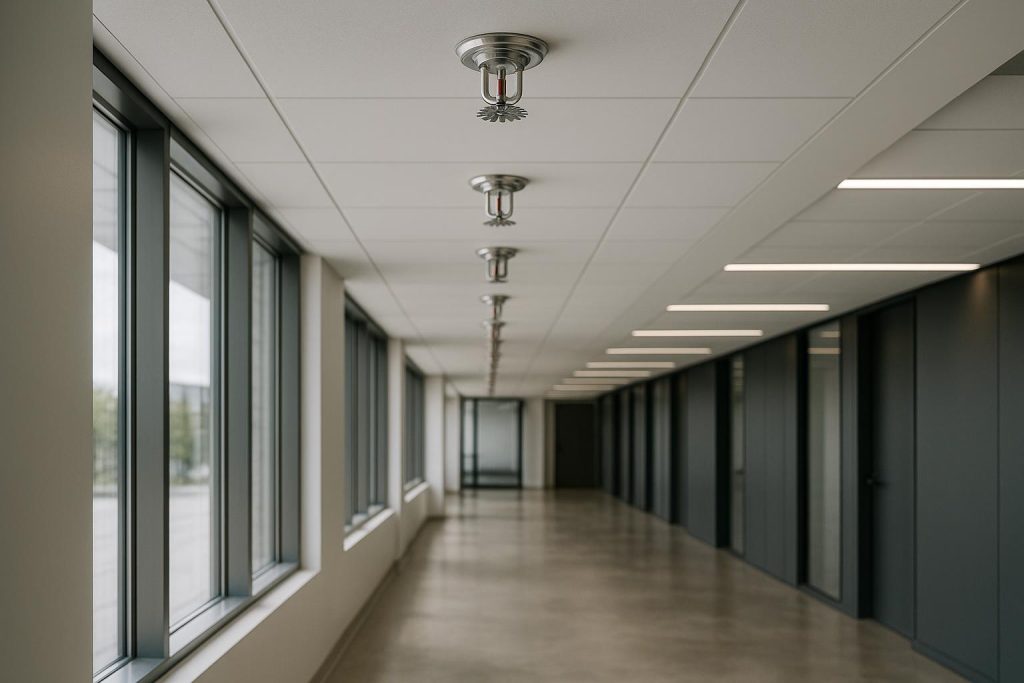
Understanding Commercial Fire Sprinkler Requirements in Alberta
Fire sprinklers in commercial buildings are critical components of a broader life safety system. They help protect people and property by containing or extinguishing fires before they escalate. Many jurisdictions, including Alberta, have specific rules and codes to ensure that these systems are installed and maintained properly. This article offers a thorough look at when and why fire sprinklers are required in commercial buildings, referencing standards such as the Alberta Building Code (ABC), the Alberta Fire Code (AFC), and guidelines set by the National Fire Protection Association (NFPA).
Why Fire Sprinklers Are Essential for Commercial Properties
Commercial buildings face various fire risks due to factors like higher occupant loads, complex layouts, and the presence of hazardous materials or processes. A well-maintained fire sprinkler system can significantly reduce these risks. Here’s why fire sprinklers are so important:
- Immediate Response: Sprinklers are designed to activate in the area where the fire starts, spraying water directly onto the flames and limiting the spread. This early intervention can save lives and reduce property damage.
- Life Safety Systems Integration: Together with fire alarm and suppression systems, sprinklers help ensure a safe evacuation, allowing more reaction time for occupants during emergencies.
- Enhanced Code Compliance: Many Alberta municipalities mandate sprinklers in commercial buildings to meet safety regulations. Staying compliant can reduce liability, minimize the risk of fines, and lower insurance costs.
- Reduced Downtime: Fires can cause extensive structural damage, forcing businesses to close for repairs. Properly installed and functioning sprinklers often contain a blaze early, reducing recovery time and financial losses.
- Wide Applicability: From offices and retail centers to industrial plants and public venues, most commercial buildings benefit from a code-compliant sprinkler system.
Key Regulations: Alberta Building Code and Municipal Requirements
The Alberta Building Code provides a legislative framework that outlines when fire sprinklers must be installed in commercial structures. The rules focus on several core elements:
- Building Size: Generally, commercial buildings larger than 600 square meters (approximately 6,460 square feet) trigger mandatory sprinkler installations. While this threshold is a baseline, actual requirements may differ if the building has multiple floors, is subdivided into various occupancies, or comprises specialized workspaces with unique fire risks.
- Occupancy Classification: Occupancy classification is another major factor dictating which buildings need sprinklers. Assembly occupancies (theaters, conference centers), institutional occupancies (healthcare or extended-care facilities), and high-hazard industrial occupancies are more likely to mandate sprinkler systems, given the potential life safety concerns.
- Design Complexity: Multiple stories, mezzanines, and interconnected areas can complicate evacuation plans. The ABC typically requires sprinkler systems in multi-story commercial buildings beyond certain size limits to facilitate rapid fire control.
- Hazardous Materials: If your commercial property stores flammable goods, chemicals, or combustible materials, specialized sprinkler systems may be vital to mitigate a higher risk of intense fires.
- Municipal Bylaws: Some cities and municipalities throughout Alberta maintain additional bylaws that can further tighten sprinkler requirements. Particularly in urban hubs like Edmonton or surrounding areas such as Sherwood Park, local regulations may exceed provincial minima, requiring sprinklers in smaller commercial properties or including extra design stipulations.
Given the complexity of these factors, partnering with a knowledgeable fire protection provider to evaluate your specific situation is strongly advised.
Alberta Fire Code: Ongoing Compliance and Safety
While the Alberta Building Code primarily governs construction-phase requirements, the Alberta Fire Code focuses on ongoing maintenance and operational safety. Commercial building owners must meet both sets of regulations to stay code-compliant. The AFC covers:
- Inspection Schedules: Under the AFC, sprinklers must be inspected and tested regularly to ensure they remain functional. Certified technicians are typically required to perform these inspections, following schedules outlined in NFPA 25 (Standard for the Inspection, Testing, and Maintenance of Water-Based Fire Protection Systems).
- System Upkeep: Valves, sprinkler heads, and control panels must be routinely checked for wear or damage, so they can function smoothly in an emergency. Regular system inspections and maintenance help avert potential malfunctions.
- Fire Alarm Integration: Sprinkler systems often work hand in hand with fire alarm systems. The AFC mandates that alarms, sprinklers, and other fire protection services integrate into a coordinated emergency response, ensuring occupants are alerted quickly when the sprinklers activate.
- Adapting to Hazards: If a building undergoes major renovations or changes purposes—for example, housing more hazardous materials—the AFC may require system upgrades or reconfigurations of existing sprinkler layouts.
NFPA Influence: A Look at NFPA 13 and Related Standards
Across North America, NFPA standards help shape local fire codes. Alberta references NFPA 13 for sprinkler system design, installation, and performance tests. NFPA 13 also explores issues like sprinkler head spacing, water pressure requirements, and the use of fire pumps where municipal water pressure is insufficient. Specific to commercial buildings, key points include:
- Design and Layout: NFPA 13 sets guidelines on sprinkler head spacing, ensuring each sprinkler covers an appropriate area. It details ceiling height considerations, obstructions, and allowable distances from walls.
- Equipment Requirements: The standard details materials suitable for pipes, valves, and sprinkler heads. Following these specifications helps maintain system reliability, preventing leaks or corrosion over time.
- Testing Frequency: Building owners must conduct regular water flow and alarm activation tests, among others. Scheduling these tests in alignment with NFPA 25 helps confirm the system will operate effectively when it counts.
- Specialized Scenarios: NFPA 13 also addresses design configurations required in colder climates, an important consideration for many commercial properties in Alberta, particularly those with outdoor or partially unheated spaces.
When Exactly Are Fire Sprinklers Required?
The most straightforward answer is that fire sprinklers are mandatory in most newly constructed commercial buildings over a certain size or height, and in those with high occupancy or unique fire hazards. However, the specifics vary by property type, so it’s best to speak with a fire safety consultant to identify individualized needs. In summary:
- Greater than 600 m²: Commercial structures exceeding 600 square meters generally require sprinklers per Alberta regulations.
- High-Risk Occupancies: Facilities like chemical plants, large warehouses, or industrial manufacturing sites often must install specialized sprinkler systems to reduce inherent fire risks.
- Multi-Story Buildings: Buildings with multiple stories frequently need sprinklers on each level, particularly if they accommodate the public or large employee populations.
- Retrofitting Requirements: While older buildings may not have been constructed with sprinklers, significant remodeling, occupancy changes, or expansions can activate updated fire code mandates.
Maintaining Code-Compliant Systems
Owning a fire sprinkler system is not sufficient on its own; maintaining it in optimal shape is equally crucial. If your system fails during an emergency, you could face life-threatening risks, insurance complications, and legal liabilities. Proper maintenance includes:
- Annual or Semi-Annual Inspections: These scheduled reviews ensure each sprinkler head, valve, and component is operational. Professionals will check for obstructions, leaks, corrosion, or tampering.
- Testing and Certification: Regular water flow tests, alarm tie-ins, and backflow preventer checks verify the system’s functionality. Documentation of these tests demonstrates compliance if you’re audited by local authorities or insurance providers.
- Prompt Repairs and Replacements: If technicians discover faulty valves or damaged sprinkler heads, swift replacement is crucial to restore code compliance. Delaying repairs can escalate risks and result in potential fines.
- Collaboration with Certified Technicians: Hiring certified fire protection technicians ensures your system inspections and maintenance align with recognized best practices, including NFPA 25 requirements.
Cold Climate Considerations in Alberta
Commercial properties in colder regions of Alberta, including Edmonton, often need special accommodations to prevent sprinklers from freezing. A few standard solutions involve:
- Dry-Pipe Systems: In unheated warehouses or parking garages, dry-pipe sprinkler systems keep pressurized air in the piping until a fire occurs. Once a sprinkler head opens, water flows in, reducing the chance of frozen pipes.
- Antifreeze Loops: Antifreeze solutions can be used in limited areas where freezing is a concern; however, these systems must be correctly calculated and tested to comply with the latest NFPA updates.
- Heat Tracing: In some cases, heat-tracing cables are wrapped around sprinkler pipes to keep water temperatures above freezing.
Special Applications and Industrial Needs
Not all commercial buildings are alike. Industrial facilities such as oil and gas operations, chemical processing plants, or sites handling highly flammable substances necessitate even more precise fire suppression design. If your building faces unusual fire hazards, you may require additional systems complementing traditional sprinklers. For instance, fire suppression services like clean agent or foam-based systems can address fires that water alone may not extinguish effectively. These specialized measures reduce the risk of catastrophic events in highly volatile environments.
Answers to Common Questions
- Do I need sprinklers in an older commercial building?
You may be required to retrofit sprinklers if you undertake major renovations or change the building’s occupancy classification. If in doubt, consult a local fire protection expert or your municipal building authority. - How do regular system inspections help?
Frequent inspections catch issues like blocked or tampered sprinkler heads, ensuring your sprinklers will operate when necessary. Inspections are also crucial for meeting code requirements and maintaining insurance coverage. - Is the Alberta Fire Code different from the Alberta Building Code?
Yes. The ABC guides initial design and construction, while the AFC addresses ongoing maintenance, testing, and overall operational safety. Both codes must be followed. - What if my water supply isn’t sufficient?
If your location has inadequate water pressure, a fire pump or dedicated reserve tank could be necessary. NFPA 13 outlines water supply requirements, and a certified technician or fire protection engineer can advise on the best solution. - Which standards do I follow beyond the ABC and AFC?
NFPA 13 (for sprinklers) and NFPA 25 (for inspections and maintenance) are typically referenced. Additional NFPA standards may apply if your facility has specialized processes or hazards.
Choosing Professional Support for Long-Term Protection
Designing and maintaining a compliant sprinkler system is a multifaceted task. Even seemingly small oversights, such as placing sprinkler heads too close to walls or overlooking local bylaw nuances, can compromise effectiveness. Whether you’re building a new facility or retrofitting an older one, professional fire protection services offer:
- Expertise in Local Codes: Certified technicians stay current with updates to the Alberta Building Code, the Alberta Fire Code, and municipal bylaws.
- Customized System Design: Each property has unique challenges—from narrow storage aisles to specialized industrial processes. A tailored approach ensures your system effectively manages identified risks.
- Certified Inspections and Maintenance: Regular checkups by professionals help you remain compliant, avoid fines, and maintain reliable protection.
- Long-Term Value: An up-to-date system reduces insurance costs, protects revenue streams by preventing undue downtime, and fosters a safer environment for occupants.
When it comes to safeguarding life and property, not all fire protection providers are equally equipped. Working with an experienced team can bring peace of mind, knowing your business stays aligned with the ABC, AFC, and NFPA standards.
Explore Fire Sprinkler Services for Your Commercial Property
Commercial fire sprinklers are a cornerstone of modern safety strategies in Alberta, whether you manage a small retail shop or an expansive industrial complex. The mandatory requirements—dictated by building size, occupancy risks, and local bylaws—ensure a baseline level of protection for occupants. In turn, ongoing maintenance and inspections play a vital role in keeping the system ready for emergencies.
For more details on fire sprinkler installation and maintenance, you can refer to our dedicated Fire Sprinklers page. If you need specialized protection in more demanding industrial or commercial contexts, you might explore our Fire Suppression Services. These solutions are designed to target fires involving flammable liquids, sensitive equipment, and other high-hazard scenarios.
Next Steps in Ensuring Compliance
Staying innovative and proactive in fire protection is key to meeting Alberta’s current codes and being ready for future updates. Buildings evolve, occupant loads shift, and new technology emerges, all of which may produce a need to revisit your fire safety strategy. Regularly consulting with certified technicians and scheduling assessments can help pinpoint opportunities to enhance safety measures and remain fully code-compliant.
Regardless of your building’s size or complexity, the overarching goal remains the same: to protect lives, assets, and operations. A robust sprinkler system is one of the most effective measures for accomplishing that. With code-compliant designs, proper maintenance, and attention to local bylaws, you can ensure a safer environment for everyone in your commercial property.
If you have questions about Alberta Building Code or Fire Code requirements, or would like professional guidance on installing or upgrading your fire sprinkler system, contact us. We aim to provide trusted fire protection solutions so you can focus on running your business—confident that your sprinkler system is prepared to respond whenever an emergency arises.
