What counts as passive fire protection?

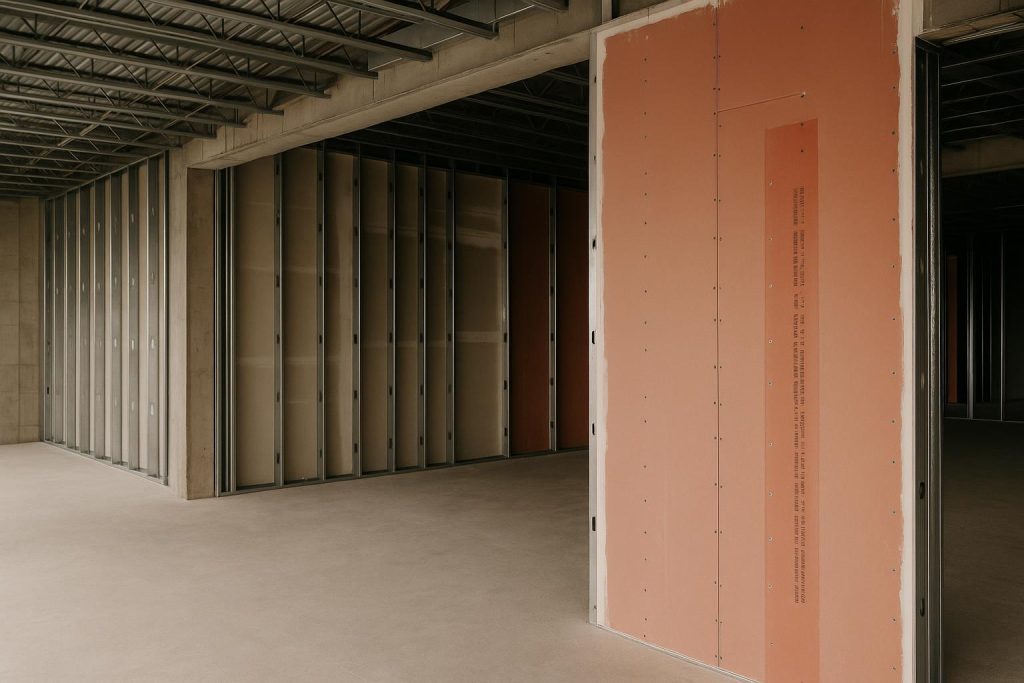
Close-up of fire-rated drywall used for passive fire protection.

Understanding Passive Fire Protection

When people ask, “What counts as passive fire protection?” they are referring to structural and design features that help contain or slow the spread of flames and smoke without requiring human intervention or system activation. Unlike active measures, such as fire sprinklers or alarms, passive fire protection works quietly in the background to compartmentalize a building. These measures often involve fire-rated doors, walls, floors, and ceilings, which are all specially constructed to resist high temperatures and prevent a fire from traveling from one area to another. In many commercial and industrial settings, fire-rated drywall is a prime example of a passive system, acting as an added barrier to inhibit the flow of heat and smoke.

At its core, passive fire protection prioritizes containment. By installing specialized materials and treatments—such as fireproof coatings, sealants, and dampers—property owners can limit structural damage and protect occupants while giving them precious extra minutes to exit safely. It also simplifies firefighting efforts by reducing the risk of widespread damage. These built-in safeguards are vital for compliance with safety codes, especially in large facilities where a fire incident can spread rapidly if not managed. Properly rating walls and floors, for instance, can prevent flames from rapidly traveling between levels or units.

Incorporating passive fire protection within a broader fire safety plan includes routine inspections, maintenance, and documentation to ensure that fire-rated assemblies and barriers remain effective over time. Even small gaps or flaws in fire-resistant surfaces can undermine an otherwise secure compartment. For that reason, many property owners schedule regular assessments to confirm their passive measures continue to meet regulatory requirements and remain structurally sound. If you are exploring ways to bolster your overall safety strategy, consider integrating passive materials alongside active systems. By pairing reliable compartmentalization with features like detection and suppression, you create a unified defense against fire risks. To learn more, you may review our full range of fire protection services and discover how passive and active solutions can work together to safeguard people and property.

Related FAQs

How Cold Weather Impacts Fire Alarm Systems Does the cold affect fire alarms? While modern fire alarm technology is designed to be resilient, extremely low temperatures can indeed pose challenges. When the temperature drops, battery capacity may decrease, causing issues with power supply and reduced backup time. Additionally, a fire alarm panel in a colder […]

Networking Building Alarm Systems for Enhanced Protection Yes, building alarm systems can indeed be networked to provide a cohesive and more efficient approach to life safety. By interconnecting alarms and control panels throughout a facility, or even across multiple sites, building owners and managers gain a centralized way to monitor, manage, and respond to emergencies. […]

Understanding the Importance of Prompt Fire Alarm Attention A continuously beeping fire alarm can be more than just a nuisance—it often signals an issue that needs immediate attention. While an occasional chirp may simply mean the backup battery is low, a persistent noise could indicate sensor malfunctions, wiring problems, or even environmental factors like excessive […]

What To Do If Your Fire Sprinkler System Fails a Compliance Test When a fire sprinkler system fails a compliance test, it can raise immediate concerns about safety, business continuity, downtime, and code violations. Fire sprinklers are crucial for protecting personnel, property, and assets in the event of a sudden fire emergency. As a building […]

Understanding the Importance of an Annual Fire Protection System Review An annual fire protection system review is designed to verify that a building’s life safety systems are functioning properly and remain compliant with local fire codes. It goes beyond quick visual checks and involves a detailed inspection of multiple components, including fire alarm panels, sprinklers, […]

Understanding the Right Time to Replace Old Fire Alarms in a Commercial Space One of the most important responsibilities for commercial property owners and facility managers is maintaining a reliable, code-compliant fire alarm system. After all, these devices serve as the first line of defense against potential emergencies, alerting occupants and facilitating safe evacuation. Yet, […]