
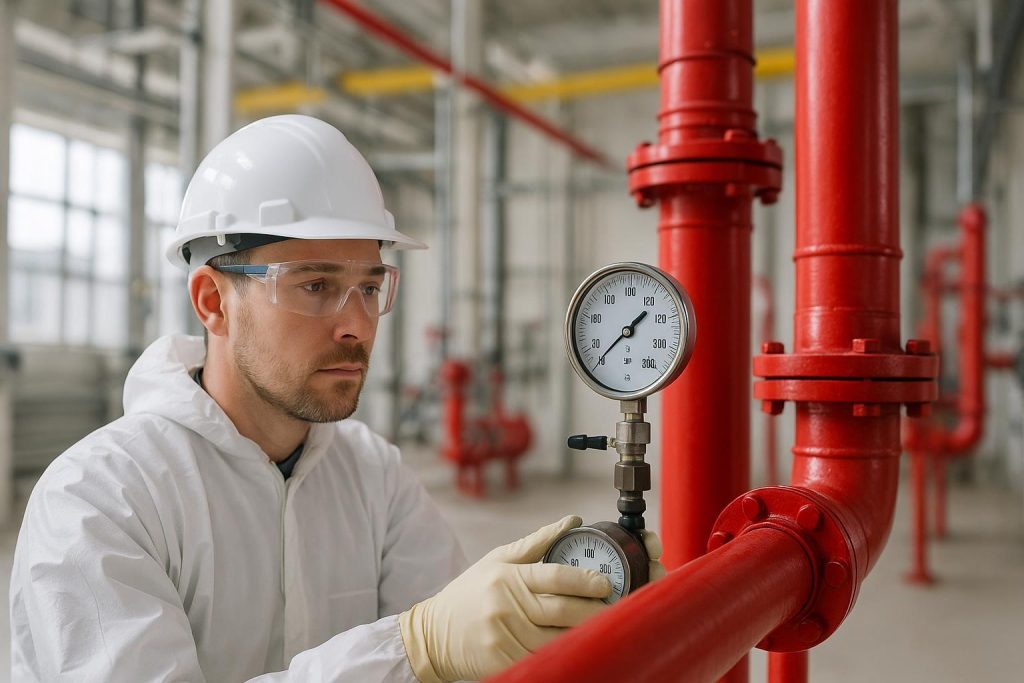
Key Safety Measures to Follow During Pipe Pressure Testing
Pipe pressure testing is a critical procedure used to confirm a piping system’s integrity, identify even the smallest leak or structural weakness, and ensure the overall readiness of the system. This process is employed across a variety of applications in construction, manufacturing, and particularly in fire protection systems, where pressurized fluids are essential for extinguishing or suppressing fires. Whether you own commercial property, manage an industrial facility, or oversee a multi-residential complex, understanding how pipe pressure testing works — and the safety measures that guide it — is crucial. Below, we explore the fundamentals of pipe pressure testing, the common safety hazards associated with the procedure, and the precautions needed to safeguard everyone involved.
What Is Pipe Pressure Testing?
Pipe pressure testing is a method of evaluating the integrity of piping used to transport fluids, such as water, air, or specialized agents in fire suppression systems. By introducing pressurized fluid (often water) or gas (often air or nitrogen) into a closed piping network, technicians can measure how well the piping holds pressure over a set period of time. Any drop in pressure may indicate leaks, loose fittings, or structural deficiencies. Through thorough inspection and testing, these problems can be addressed to ensure the system remains code-compliant and ready for service.
When it comes to fire protection services, pressure testing takes on a particularly important role. For instance, fire sprinkler systems rely on pressurized water lines to function properly. If a sprinkler pipe is not sealed correctly or is weakened in any section, water may not discharge effectively during an emergency. Hence, pipe pressure testing is essential for the safety and reliability of these vital life safety systems.
Why Is Pipe Pressure Testing Important?
There are a number of reasons why pipe pressure testing is considered a foundational step in the setup and maintenance of piping networks:
- Leak Detection: Small leaks can lead to significant water damage over time, especially in commercial or industrial environments where large volumes of fluid pass through pipes. Early detection prevents costly repairs and protects critical equipment and property.
- Structural Integrity: Pressure testing helps assess the overall condition of the piping system. Weak points might exist due to manufacturing defects, corrosion, or wear and tear. Identifying these weaknesses early helps avoid future emergencies.
- Code Compliance: Building codes and fire safety regulations often mandate that piping for systems such as fire alarm and suppression systems be pressure-tested to confirm compliance. Meeting these standards ensures you stay within the legal framework for operating safely.
- Longevity of Systems: Regular testing and maintenance prolong the service life of your pipes. Preventative actions allow you to address minor issues before they escalate into full-blown concerns that require expensive solutions.
- Occupant Safety: In the context of fire protection, well-tested and reliable piping can protect occupants by ensuring that a fire sprinkler or suppression system will activate as intended when needed. This promotes better emergency outcomes and greater overall confidence in your building’s safety strategy.
Recognizing Potential Hazards
Although pipe pressure testing is intended to promote safety and reliability, the testing procedure itself can present several hazards if not managed by certified technicians and knowledgeable operators. Here are a few key risks:
- Excessive Pressure: When pipes are pressurized beyond their recommended test limits, there is a risk of exploding a section of pipe or a fitting. This can result in physical injuries for workers or bystanders.
- Unexpected Pipe Failures: Aging or corroded pipes might fail suddenly during testing, releasing pressurized fluid or gas. Without the proper control measures, such a failure can cause harm to both personnel and property.
- Use of Inappropriate Materials: Substituting the recommended test fluid, using low-quality gaskets, or employing makeshift fittings could compromise the test’s accuracy and safety. System integrity depends on correct and consistent materials.
- Human Error: Personnel who conduct the test without adequate training or who fail to follow established protocols can introduce considerable risks, from damaging the system to endangering themselves or their colleagues.
- Environmental Factors: Depending on the site, slippery floors, high temperatures, or confined spaces can compound the hazards of pressure testing, particularly if the environment is not controlled or well-supervised.
Essential Safety Precautions
To mitigate the risks associated with pipe pressure testing, professionals adhere to specific safety measures. Below are some of the essential precautions:
- Thorough Inspection Before Testing: System inspections and maintenance are performed before any pressure test begins. This evaluation checks the piping for visible cracks, corrosion, or misaligned connections. Addressing these issues first reduces the likelihood of sudden failure during testing.
- Use of the Right Test Medium: Decide on the appropriate fluid or gas for testing. Commonly, water is used because it is safer than pressurized gas if a leak or failure occurs. In systems requiring specialized agents, ensure you follow manufacturer and code guidelines to protect both personnel and equipment.
- Control the Testing Environment: Testing should only take place in a well-ventilated area, especially if pressurized gas is used. Attention must also be given to preventing unauthorized personnel from entering the test zone. Barricading or cordoning off the project area is standard practice.
- Pressure Monitoring and Gradual Increase: The test pressure is increased gradually and carefully monitored. Technicians regularly check for leaks and anomalies during ramp-up. If any issues arise, the test is halted so that the problem can be addressed before proceeding.
- Personal Protective Equipment (PPE): Everyone in the vicinity should wear the correct PPE, including safety glasses, gloves, hard hats, and steel-toed footwear. In specialized fire suppression systems, additional measures may be recommended, such as face shields or protective clothing resistant to the agent.
- Adherence to Professional Standards: Detailed testing procedures typically follow guidelines from reputable standards organizations or local codes. Certified technicians who are familiar with these guidelines ensure that all test intervals, pressure thresholds, and safety checks are followed to the letter.
- Detailed Documentation: Documenting the entire testing process, from initial inspections to final results, helps maintain compliance and offers a record for future reference. This documentation supports accountability, ensuring that staff follow the correct protocol each time tests are carried out.
Step-by-Step Testing Process
Though specifics might differ based on regional regulations or the nature of the piping system, a typical pressure testing process could follow these steps:
- System Isolation: The section of pipe to be tested is isolated from the rest of the system by closing valves or installing blank flanges. This secures the area and ensures that only the designated part of the system receives test pressure.
- Pre-Fill and Air Purge (If Using Water): If water is the test medium, it’s introduced slowly, and air is allowed to escape the system through vents or valves. Residual air pockets can cause inconsistent pressure readings and skew results.
- Gradual Pressure Increase: Technicians raise the system pressure incrementally, pausing at intervals to check for visible leaks, pressure consistency, and overall stability. This controlled approach helps spot potential trouble before a catastrophic failure occurs.
- Monitoring for a Set Duration: Once the target test pressure is reached, the system is sealed and monitored for a specified period determined by relevant codes or standards. A drop in pressure might indicate a leak that needs to be investigated.
- Depressurization: After the monitoring phase, the system is carefully depressurized by releasing the test medium in a controlled manner. This step must be executed carefully to prevent sudden pressure drops that stress the pipes or surrounding equipment.
- Inspection for Damage: Finally, a thorough visual inspection is performed to confirm that no damage occurred during the test. This final check is crucial for verifying that the piping can safely return to normal operating conditions.
Common Equipment Checks
In addition to examining the pipes themselves, you should also consider the testing equipment and instrumentation. Gauge calibration is particularly important; if your gauge is off by even a small margin, the data collected may be inaccurate. Any hoses, fittings, or clamps used during the testing process should be examined before and after each use to confirm that they remain in good condition. By paying attention to these details, you help prevent errors that could compromise the safety and accuracy of your test.
When to Consult a Professional
Due to the inherent complexities and potential hazards of pipe pressure testing, many building owners and facility managers opt to work with certified technicians. These trained professionals have the experience to follow all safety protocols systematically. They also possess the expertise needed to interpret test results accurately and make recommendations for repairs or follow-up actions. If you oversee a large, multi-residential, or industrial property — or if your facility houses fire sprinklers or fire suppression systems — professional oversight is especially important for maintaining compliance and occupant well-being.
By collaborating with a professional team, you can also ensure that your overall fire protection strategy remains comprehensive. For example, you might combine pipe pressure testing with regular system inspections and maintenance for your fire alarm systems, extinguishers, and other life safety systems to fully safeguard your building. If you are seeking a trusted partner to help you navigate pressure testing procedures, consider contacting a company that specializes in fire protection services to ensure code-compliant practices and immediate follow-up on any system deficiencies. You can learn more about integrated solutions by visiting our Fire Protection Services page.
Aligning With Fire Code Compliance
Local jurisdictions often have specific requirements for how pipe pressure tests are conducted, documented, and reported. Whether your facility is in Edmonton, Sherwood Park, or another location, it is prudent to stay updated on regional fire regulations. Failure to do so may result in penalties, fines, or operational delays. Adhering to local standards, as well as globally recognized guidelines, functions as both a best practice and a legal requirement. The advantage of working with knowledgeable fire safety professionals is that they typically stay current with ever-evolving regulations and can help guide you in meeting them.
Maintaining a Proactive Mindset
Pipe pressure testing is not a one-and-done activity. While initial testing for newly installed pipes is essential, you should also consider scheduling routine inspections and re-tests over the lifespan of your fire system piping. Building conditions change with time, and factors like corrosion, mechanical vibration, or expansions and renovations can affect pipe integrity. Maintaining a proactive mindset by integrating pressure testing into your schedule helps minimize costly surprises and ensures your facility remains prepared.
Additionally, adopting a regular testing routine underscores your commitment to the safety of occupants and employees. By placing an emphasis on rigorous, continuous checks, you keep the risk of hidden failures remarkably low and reinforce the reliability of your fire protection strategy.
Key Takeaways
- Pressure testing plays an indispensable role in maintaining the reliability and safety of piping systems, especially critical ones like fire sprinkler or fire suppression networks.
- Potential hazards include sudden pipe failure, over-pressurization, or the use of incorrect materials. Mitigating these risks calls for established protocols and well-trained technicians.
- Following professional guidelines — such as gradual pressure build-up, continuous monitoring, and the use of appropriate PPE — is vital to protecting personnel and preventing system damage.
- Regular testing and monitoring help verify the performance and compliance of your piping, thereby preventing leaks and other issues that can lead to costly property damage or endanger occupants.
- Consulting certified professionals is strongly recommended, particularly for large-scale or high-stakes applications. Their expertise helps ensure that you meet local building codes and regulatory requirements, all while promoting a secure environment for every occupant.
In essence, pipe pressure testing is an effective preventative measure that safeguards the operation of crucial life safety and water-supply systems. By following the correct testing procedures, wearing proper protective equipment, and adhering to established protocols, you help avert the risks of system failure. If you are seeking further guidance on pipe pressure testing, or if you need assistance in designing, installing, or maintaining fire alarm or fire suppression systems, you might consider speaking with a team of certified technicians. They can offer personalized support and help ensure you remain code-compliant, while strengthening the safety of everyone on site. Ultimately, a well-tested, robust piping infrastructure forms a vital component of any reliable fire protection approach and aligns perfectly with the overall goal of protecting life and property.
