
Understanding Fire-Rated Drywall Thickness
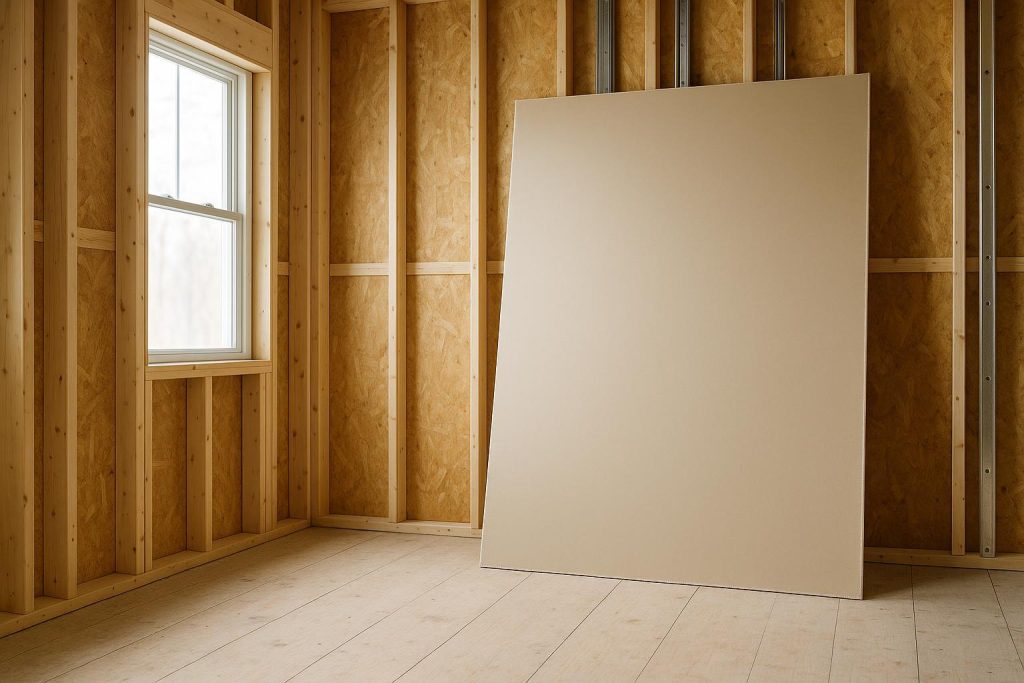
If you find yourself asking, “What thickness of drywall is fire-rated?” the most commonly used standard is 5/8-inch Type X drywall. This specialized drywall is reinforced with non-combustible fibers and additives that help delay the spread of flames during a fire. In many cases, a single layer of 5/8-inch Type X drywall can provide around one hour of fire resistance, making it a popular choice for both residential and commercial applications where building codes mandate elevated fire safety standards. Some builders and code requirements also accept 1/2-inch Type C drywall, but because 5/8-inch is thicker and more robust, it typically remains the preferred option when higher fire resistance is required.
While thickness is important, remember that the overall effectiveness of fire rated drywall also depends on proper installation. Joints must be sealed with the appropriate fire-resistant joint compound and tape, and any openings—such as those for electrical outlets or fixtures—must be addressed with firestopping materials. These details can be the difference between a system that merely meets basic code and one that maximizes occupant protection. In certain settings, especially those governed by stricter regulations or where prolonged fire resistance is needed, multiple layers of drywall may be stipulated. For instance, using two layers of 5/8-inch Type X drywall can increase the overall rating, providing extended time for occupants to evacuate and for emergency services to respond.
Beyond drywall, a holistic approach to fire protection offers greater peace of mind. Buildings often rely on sprinkler systems, alarms, and other safeguards to enhance occupant safety. A thorough fire safety plan may include professional Fire Protection Services to evaluate the structure, ensuring each element—from drywall to suppression systems—works in tandem. At Advanced Fire Protection Services, our team assists property owners in tailoring solutions to their environment, from code compliance to practical maintenance strategies. If you need more details on implementation or want a personalized assessment, feel free to contact us. By paying close attention to drywall thickness, installation best practices, and integrated safety systems, you can help shield your property and its occupants from catastrophic fire damage.
