
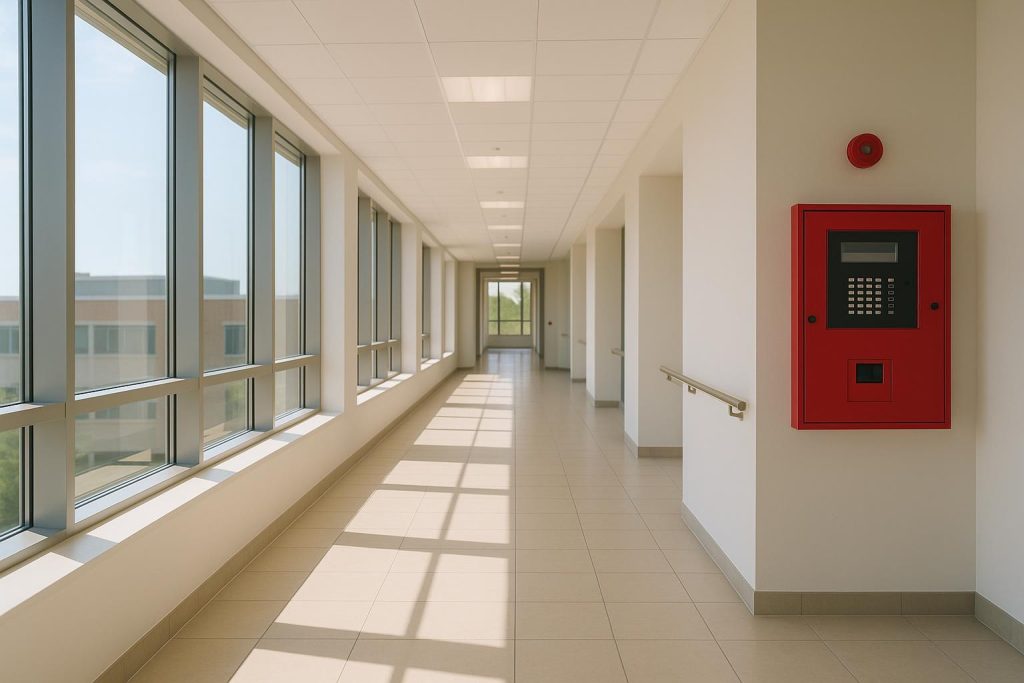
Understanding Fire Code Requirements for 24/7 Monitoring
Commercial buildings in many jurisdictions are required to have round-the-clock fire alarm monitoring to ensure swift emergency response and ongoing safety of occupants. Fire codes typically dictate standards for design, installation, and monitoring of fire alarm and suppression systems, helping building owners stay compliant and protect people, property, and assets. From large office complexes to high-capacity industrial sites, understanding why local codes mandate 24/7 monitoring can be a vital step in maintaining safety and adhering to regulations.
What Exactly Is 24/7 Fire Alarm Monitoring?
Fire alarm monitoring ensures that a building’s fire alarm system is constantly connected to either a certified central station or a monitoring facility. If there is a fire, smoke event, or system trouble signal, the monitoring service receives an immediate alert. They, in turn, promptly notify local fire departments or emergency fire services. This quick reaction can be critical for preventing a small incident from growing into a larger emergency, while also mitigating risks to building occupants.
An essential piece of this puzzle is the interface between your fire alarm system and the monitoring station. If your system detects unusual heat, smoke, or sprinkler activation, an automatic notification is sent to help ensure that firefighters respond as quickly as possible. Because of this safety net, many fire codes require building owners and facility managers to maintain this type of connection at all times.
Legislative Basis for Mandatory Monitoring
Most local and national fire codes—such as the National Fire Code of Canada—outline conditions under which commercial buildings must have a continuously monitored system. Regulations differ by province and municipality, but they frequently align on common principles: where the life safety risk is high, continuous monitoring is essential. These rules typically consider factors like the building’s size, type of occupancy, presence of hazardous materials, and occupant load. For instance, a high-rise residential complex that houses hundreds of people needs a robust, monitored system to protect both inhabitants and visitors. Likewise, industrial factories that process flammable materials often face strict regulations to ensure quick detection and response in an emergency.
Furthermore, local building and fire authorities often require up-to-date approvals, inspections, and documentation confirming your building’s monitoring coverage. If you fail to meet these standards, your facility could face potential fines or be declared non-compliant, which in turn might jeopardize insurance coverage and occupant safety.
Why 24/7 Monitoring Is So Crucial
Without continuous monitoring, a fire incident might escalate unnoticed if it happens after hours or in a low-traffic zone of a building. Even well-designed fire alarm systems may not help if there is no one around to hear or respond to alarms. By contrast, code-compliant 24/7 monitoring ensures that no matter the time of day, emergency fire services receive an alert if your system detects an emergency. This is particularly important during nights, weekends, and holidays, when fewer people may be on-site. The precious minutes gained by prompt notification can make a life-saving difference, minimizing risk to occupants and damage to property.
Occupation Type and Risk Levels
Fire code requirements for continuous monitoring often depend on occupancy type and associated risk levels. Examples include:
- Assembly Occupancies: Large spaces like theaters, convention centers, and arenas that gather large crowds require immediate detection and rapid notification systems. Here, continuous monitoring is nearly always mandatory.
- Residential and Lodging: Hotels, dormitories, and apartment buildings often need 24/7 fire alarm monitoring to protect sleeping occupants who might not be aware of an emerging threat.
- High-Hazard Occupancies: Industrial facilities dealing with flammable materials or spaces that store or process hazardous substances generally need enhanced alarm systems and a reliable monitoring service to notify emergency responders early on.
- Healthcare Centers: Hospitals, clinics, and assisted living facilities house individuals who may have reduced mobility or special care requirements. Continuous monitoring is pivotal for ensuring rapid fire department intervention.
In these higher-risk environments, immediate and reliable notification to certified technicians or emergency responders is not just an option, but a cornerstone of life safety systems. This requirement underscores how closely fire codes tie the crucial elements of early detection and professional response.
System Inspections and Maintenance
Having a monitored system is only one part of the equation. To remain compliant, systems must also be inspected and maintained regularly. Ongoing system inspections and maintenance include examining detectors, pull stations, annunciators, control panels, and backup power sources. Each of these components plays a vital role in a fire protection framework. If your building’s detectors malfunction or your control panel experiences a power failure, a critical alarm could be missed or delayed. The emphasis on professional, routine inspections helps you identify these issues before they put your facility at risk.
Fire code provisions almost always outline the frequency of inspections and the standards for system upkeep. These guidelines are there to ensure ongoing performance and to spot potential deficiencies. Remedial actions—like replacing faulty detectors or upgrading outdated control panels—further help a building’s fire alarm and suppression systems respond effectively when needed.
The Role of Certified Technicians
Certified technicians are integral to a compliant solution. They have the knowledge to inspect, test, and maintain the system correctly. Whether it’s verifying that alarm signals are reaching the monitoring center, testing water pressure for sprinklers, or confirming that the backup batteries are functioning properly, these experts ensure everything is code-compliant. They also keep accurate records of inspections and repairs, which are typically required by local authorities.
With a team of knowledgeable technicians, building owners can rest assured that their systems meet or exceed relevant fire code requirements. If an audit or compliance check occurs, having thorough documentation of inspections by experienced professionals can avert many complications. For an overview of fire protection services that involve system inspections and maintenance, it is often best to consult experts who understand not only the technology but also your regional codes.
Positive Impact on Life Safety Systems
Fire alarm monitoring is a key part of an integrated life safety system, which can include evacuation plans, emergency lighting, and fire suppression measures. When these different elements work in sync, they protect occupants from the initial detection of smoke or heat to a safe and orderly evacuation. Codes require commercial buildings to ensure each part harmonizes effectively, and continuous alarm monitoring is a major piece of that puzzle. With immediate notifications, facility managers and safety personnel gain valuable time to implement evacuation plans, power up emergency lighting, and ensure that everyone is guided to exits safely.
Liabilities and Potential Pitfalls of Non-Compliance
If a commercial building owner decides to skip continuous monitoring or neglect necessary repairs, they could face serious consequences. Non-compliance can lead to:
- Fines and Violations: Local authorities may issue penalties or citations if a building lacks proper documentation of its monitoring and code-compliant system status.
- Increased Insurance Premiums: Insurance companies often consider properly maintained, monitored systems less of a risk, potentially reducing insurance costs. Without it, premiums could rise—or coverage could be denied.
- Greater Liability in Emergencies: If an incident occurs and monitoring was inadequate, building owners could be held personally liable for injuries or property damage.
- Suspension of Occupancy Permits: In the most severe cases, authorities may suspend occupancy permits until appropriate alarm monitoring measures are installed and verified.
Ensuring 24/7 Monitoring Reliability
The key to reliable 24/7 monitoring is ensuring all related equipment is functioning properly. This starts with selecting a reputable, recognized monitoring service. Look for providers who utilize redundant communication lines (cellular, internet, or landline) so that signals can still be sent even if one pathway fails. Additionally, confirm that your system’s communications are tested regularly and that any phone line or network transition is well documented.
Another best practice is to integrate your monitored system with supplementary fire protection mechanisms. This might include linking your fire alarm panel to Fire Alarm System Monitoring services or upgrading older, single-function panels to modern, network-capable devices. A robust alarm panel can offer real-time insights into system status, making it easier to respond proactively if there is a malfunction or emergency event.
Working with Professional Fire Protection Services
Most commercial property owners do not have the in-house expertise to handle every maintenance and compliance detail. By collaborating with a reputable fire protection provider, you can rest assured that your monitoring setup will be code-compliant. A professional partner can manage everything from routine inspections to emergency service requests and specialized hazard analysis. This relationship not only saves time but also ensures continuity of service in times of crisis.
Expert support often includes:
- System Design & Installation: Ensuring your business’s alarm devices, fire suppression equipment, and notification systems are placed and configured in line with code guidelines.
- Ongoing Maintenance: Covering calibration, cleaning, functional testing of all devices, and promptly addressing any identified deficiencies.
- Compliance Documentation: Maintaining up-to-date records that local authorities or insurance companies may request during audits or routine inspections.
- Emergency Fire Services Coordination: Making sure that the link to fire departments is active and that correct dispatch procedures are in place.
Staying Prepared and Informed
Even with stringent codes, the best defense against a fire incident is a well-informed and proactive building management team. Make safety training a part of new employee onboarding. Conduct routine drills so that occupants know retreat routes and designated muster points. Keep signage updated, regularly test emergency lighting, and confirm that exit paths are unobstructed. When these preparedness measures work in tandem with a code-compliant, continuously monitored system, you set the stage for safer outcomes, minimal damage, and reduced liability.
When selecting or reviewing your monitoring provider, ask about advanced features. These could include remote testing capabilities, instant notifications sent to your phone or email, and integration with digital dashboards. All these valuable options can enhance your insight and reaction to any alarm events while aiding in day-to-day safety administration.
Conclusion
Yes, there are specific fire codes that frequently mandate uninterrupted fire alarm monitoring within commercial buildings, and the reasons for this requirement are compelling. Whether you manage a small multi-unit property or oversee a sprawling industrial complex, abiding by these regulations is about more than just meeting a checklist. A code-compliant system with around-the-clock monitoring can help you protect the people and places you care about most, reduce liability, and preserve smooth daily operations. Failure to comply can result in fines, higher insurance costs, and even potential closures.
To achieve maximum compliance and 24/7 readiness, it’s beneficial to partner with professionals who are knowledgeable in fire alarm and suppression systems. They can guide you through device selection, installation, inspection schedules, and continuous monitoring solutions. In doing so, you can be confident that your building’s life safety system is genuinely prepared for the unexpected.
If you are considering an upgrade to your fire protection framework or need more information on local monitoring requirements, feel free to contact our experts. By taking proactive steps now, you’re reinforcing a safer environment and fulfilling your responsibility as a building owner or facilities manager.
