How long does fire-rated drywall last?

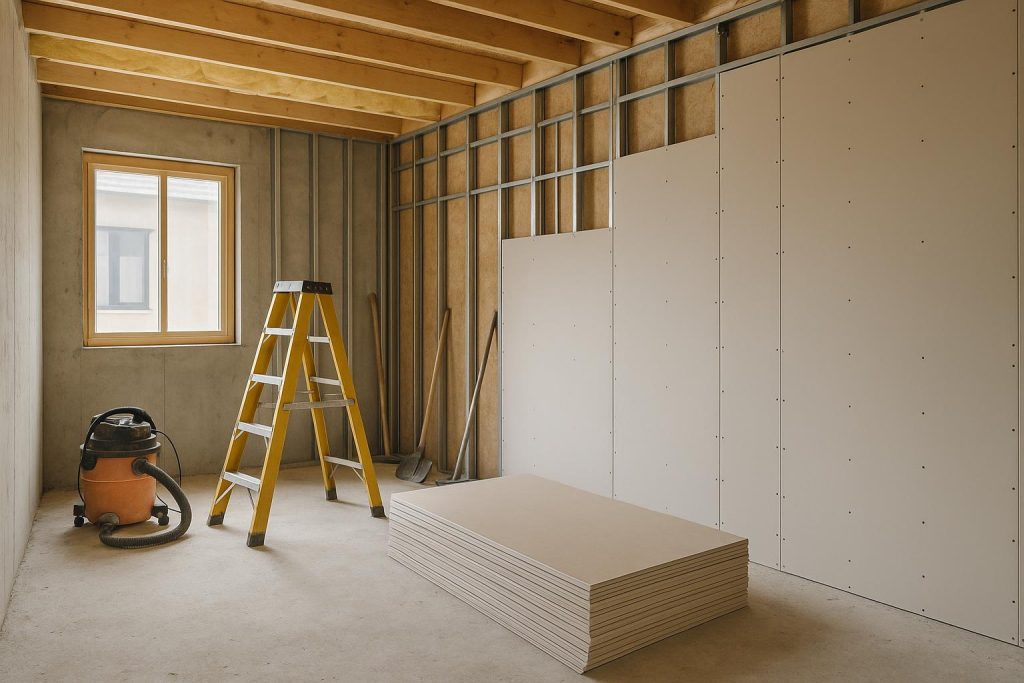
Indoor construction scene showing partially installed fire rated drywall.

Understanding the Lifespan of Fire-Rated Drywall

Fire-rated drywall is specially designed to slow the spread of flames and withstand high heat for a certain period. Many property owners ask the question, “How long does fire-rated drywall last?” The answer depends on a variety of factors, including proper installation, regular maintenance, and the overall environment it is exposed to. Generally, the fire rating of drywall (also known as Type X or Type C drywall) can provide an hour or more of resistance under standardized test conditions. However, this one-hour rating does not necessarily define the product’s total lifespan. If kept in good condition, fire-rated drywall can last for decades without losing its protective qualities.

One key factor that influences the longevity of fire-rated drywall is moisture. Excessive humidity, plumbing leaks, or water infiltration can weaken the gypsum core, diminishing its fire-resistance rating. Similarly, significant structural shifts over time may cause cracks that undermine the drywall’s integrity. Regular inspections help catch these early warning signs. If a building is prone to moisture issues or seismic activity, it is particularly important to monitor the drywall’s condition and perform timely repairs or replacements to maintain code compliance.

It is also essential to follow local building codes and guidelines to ensure each layer of fire-rated drywall is installed properly. In areas like Edmonton or Sherwood Park, for example, specific standards may dictate the type and thickness of fire-rated drywall required for commercial or residential buildings. Collaborating with a qualified contractor or fire safety professional is a valuable step toward meeting these regulations.

Fire-rated drywall may be just one component of an overall fire safety plan. Regularly reviewing other protective measures, such as Fire Alarm Systems or Fire Extinguishers, can help ensure your building meets current safety standards. If you notice signs of wear or water damage in your drywall, addressing the issue quickly can preserve its fire-resistant properties. In most cases, when properly installed and maintained, fire-rated drywall can retain its effectiveness for the lifetime of the structure, giving property owners an extra layer of security and peace of mind.

Related FAQs

Understanding the Cost of Fire-Rated Drywall Fire-rated drywall, sometimes referred to as Type X or Type C, is designed to help slow the spread of flames and smoke during a fire. To address the question, “Is fire-rated drywall more expensive?”—the short answer is usually yes. This specialized drywall typically contains reinforced materials, such as fiberglass […]

Understanding Fire-Rated Drywall Thickness If you find yourself asking, “What thickness of drywall is fire-rated?” the most commonly used standard is 5/8-inch Type X drywall. This specialized drywall is reinforced with non-combustible fibers and additives that help delay the spread of flames during a fire. In many cases, a single layer of 5/8-inch Type X […]

Essential Requirements for Fire-Rated Walls When considering what is required for a fire-rated wall, the main goal is to slow or stop the spread of flames and smoke, providing critical time for safe evacuation and minimizing damage. Fire-rated walls are carefully constructed assemblies designed to meet the fire-resistance rating set by local building codes and […]

Understanding Whether Fire-Rated Drywall Is Required Fire-rated drywall, often referred to as “Type X” or “Type C” gypsum board, is designed to withstand high temperatures for a longer period than standard drywall, giving occupants critical time to evacuate and first responders more opportunity to contain a blaze. Whether fire-rated drywall is explicitly required depends on […]

Effective Ways to Remove Dust From Your Fire Alarm Sensor Keeping your fire alarm sensor free of dust is vital for maintaining accurate detection and preventing unwanted false alarms. Over time, fine particles can settle on the sensing elements, obstructing their ability to identify smoke or heat changes. By following a few simple steps, you […]

Understanding Fire Code Requirements for 24/7 Monitoring Commercial buildings in many jurisdictions are required to have round-the-clock fire alarm monitoring to ensure swift emergency response and ongoing safety of occupants. Fire codes typically dictate standards for design, installation, and monitoring of fire alarm and suppression systems, helping building owners stay compliant and protect people, property, […]