
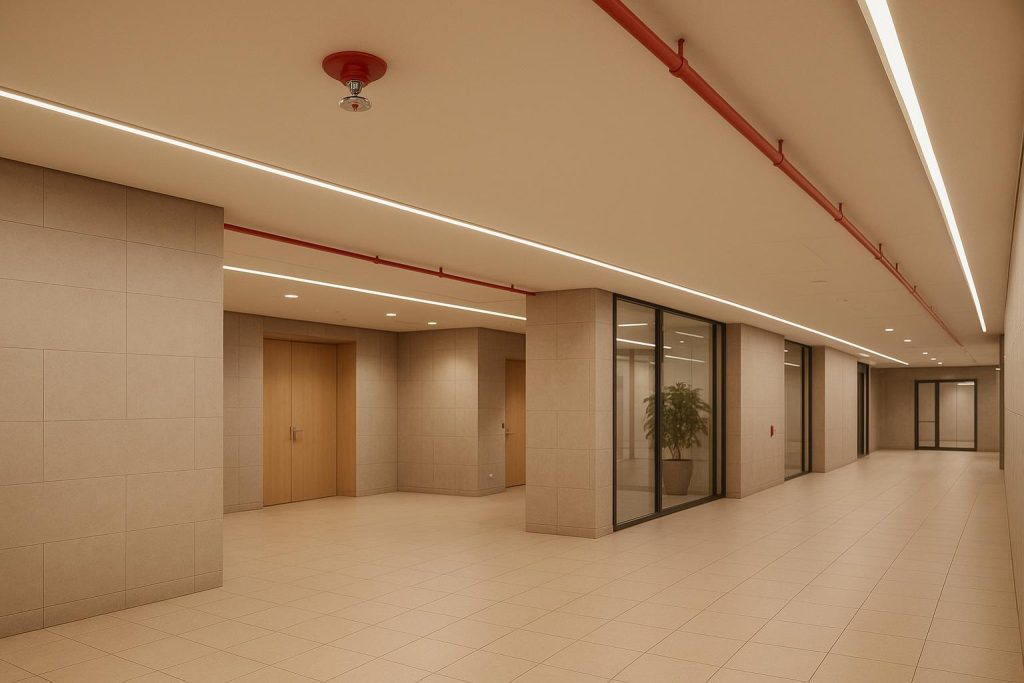
Understanding the Consequences of Alberta Fire Code Non-Compliance
The Alberta Fire Code is a vital set of regulations designed to keep people and properties safe from fire-related incidents. In Alberta, as with many jurisdictions across Canada, government and regulatory bodies take fire safety very seriously. Failing to adhere to the guidelines established in the Alberta Fire Code can invite substantial penalties and pose considerable risks to a building’s occupants, owners, and the broader community. Understanding what non-compliance looks like, why the rules matter, and how to maintain a safe environment is vital for anyone responsible for managing or overseeing a property. In this comprehensive overview, we will discuss the potential penalties, explore the significance of compliance, and highlight best practices for meeting the Code’s requirements. By the end, you will have a clear sense of how to maintain a safe property and avoid the repercussions of failing to meet fire safety standards.
Why the Alberta Fire Code Is Important
The Alberta Fire Code exists to reduce the danger of fires in buildings and other structures across the province. It provides guidelines for everything from proper building materials to occupancy limits and fire suppression systems. Many aspects of commercial, industrial, and residential buildings are covered by the Code, ensuring that structures meet specific standards for egress, fire alarms, sprinklers, and more. These requirements help prevent small fire hazards from becoming life-threatening disasters. Ultimately, the Code’s purpose is both proactive and protective: proactive because it compels every property stakeholder to take preventive measures, and protective because it reduces the risk of injury and structural damage.
For instance, thoughtful design choices play a big role in fire prevention, such as installing proper ventilation or selecting fire-resistant building materials. Maintaining easy-to-access fire exits is another prominent element. By mandating these details, the Alberta Fire Code ensures that buildings can be evacuated quickly if a fire breaks out. Compliance also means installing the right safety systems—like Fire Alarm Systems—and ensuring they’re always in working order. When those systems meet all code requirements, they form a thorough line of defense that can protect both people and property from potentially serious harm.
The Broad Range of Non-Compliance Penalties
Penalties for violating the Alberta Fire Code can come in different forms and levels of severity. Not every violation automatically leads to the same consequence. The nature and seriousness of the breach, alongside whether it is a first-time offense or a repeat infraction, can influence the penalties. In many cases, local fire authorities take steps to educate building owners or occupants and provide a window of time in which the problems must be corrected. Failure to correct these issues can lead to more severe measures. Below are some common penalties:
- Fines and Ticketing: First offenses may result in fines that can grow with each subsequent violation. These fines can escalate into substantial sums, especially if the violation poses a high risk to occupants’ well-being.
- Legal Action and Court Appearances: In situations where violations are not corrected or are particularly serious, the owner may be required to appear in court. This can result in more substantial financial penalties or even criminal charges in the worst cases.
- Facility Closures and Evacuations: When a breach poses an immediate threat to public safety, inspectors can order the closure of the building or mandate a temporary evacuation until the violation is rectified.
- Potential Criminal Charges: Extreme cases, especially those involving deliberate negligence or frequent repeat breaches, may lead to charges that go beyond the scope of standard regulatory fines. These criminal proceedings can lead to more severe consequences, such as imprisonment or significant financial assessments.
In every instance, penalties exist to reinforce the seriousness of fire safety. They compel building owners and tenants to treat risk factors with appropriate urgency. The primary intent behind these enforcement actions is not just to penalize but to ensure that fire risks are addressed promptly, preserving the well-being of anyone who occupies or visits the property.

How Non-Compliance Negatively Affects Building Owners and Occupants
Beyond the immediate financial burden of fines and fees, ignoring Alberta Fire Code standards can carry many hidden costs for building owners and occupants. For one, repeated or serious violations can tarnish a business’s reputation. When customers or clients learn about such infractions—perhaps through public records or negative news coverage—the business can suffer a lasting impact that goes beyond immediate penalties. Additionally, insurance premiums could rise because underwriters perceive the building as a greater liability risk. In some cases, insurers may even cancel a policy altogether if the building owner fails to rectify serious hazards in a timely manner.
Occupants or tenants also face disadvantages. Tensions can arise if they feel unsafe or discover that the owner hasn’t fulfilled their obligation to maintain a hazard-free environment. In commercial settings, employees might express concern about emergency exits or malfunctioning fire alarm components. In residential buildings, tenants might feel uneasy if they notice missing or inoperable fire extinguishers or blocked egress routes. All of these factors underscore the importance of timely compliance with the Alberta Fire Code for the overall health and security of everyone on the premises.
The Significance of Occupant Load Calculations
One critical component of complying with fire safety regulations is ensuring that occupant loads are accurately calculated and managed. Occupant load dictates the maximum number of people allowed in a particular space at any given time. This figure must be displayed where it can be easily referenced because it helps ensure that designated exits, corridors, and safety systems can handle everyone inside during an emergency. Exceeding this limit risks overcrowding and can put undue stress on fire exits, making evacuation slower and more hazardous if a fire occurs.
Failure to calculate or post accurate occupant loads is itself a violation of the Code. Local fire officials or inspectors typically check occupant load data during routine inspections or in response to reported concerns. If they find that a building exceeds the allowable limit, owners or occupants can face immediate fines or be required to reduce the load and install additional safety features such as more exits or upgraded suppression systems. Ensuring occupant load compliance is especially important in areas like restaurants, concert venues, meeting halls, and other spaces where large groups gather regularly.
Steps to Calculate Fire Code Occupancy in Alberta
Determining correct occupancy involves several steps, which help keep buildings prepared and safe. The process, typically aligned with the Alberta Building Code, involves:
- Classify the Building: Identify and classify the building based on its intended use, whether residential, commercial, assembly, or another category.
- Measure Floor Area: Measure the net floor space that will be used by occupants, excluding areas like utility rooms if they’re not for general occupancy.
- Apply Occupant Load Factors: Use the established guidelines in the Alberta Building Code that specify how much space each person requires, depending on the building’s function.
- Calculate Occupant Load: Divide the floor area by the designated occupant load factor to arrive at the maximum capacity.
- Check Egress and Safety: Confirm that the building’s exits, corridors, and safety systems—such as emergency lighting—can manage the calculated load.
- Account for Special Conditions: Consider any unique factors, such as specialized fire suppression needs, kitchen exhaust systems, or accessibility requirements, that may reduce the allowable number of occupants.
- Document and Verify: Submit all relevant documentation to the appropriate authority for approval. Clear signage displaying the occupant load is usually required.
- Ongoing Compliance: Conduct regular inspections and maintenance to confirm the property remains in accordance with fire safety regulations, especially if you make structural changes over time.
By following these steps, building owners can demonstrate a commitment to safety. This structured process ensures that buildings meet the demands of fire safety in an organized and verifiable way, vastly reducing the risk of overcrowding or inadequate exit capacity.
The Role of Professional Fire Protection Services
Staying compliant with the Alberta Fire Code can be challenging without expert help. That is where professional fire protection providers can make a difference. Certified technicians who specialize in inspections, installations, and maintenance of code-compliant life safety systems offer vital support to property owners who want to avoid any compliance pitfalls. For example, engaging a qualified provider to inspect and maintain your Fire Extinguishers, plan out your exit signage, or test your alarm system can give you the confidence that your building meets all mandatory standards. Most importantly, experts can help identify potential risks well before they become pressing issues.
Businesses such as Advanced Fire Protection Services focus on guiding clients through regulations at every stage of building ownership. They perform system inspections and maintenance to verify that existing fire alarm and suppression systems meet legal requirements. When new systems are needed—like Fire Sprinklers or special hazard suppression—they ensure that each item is installed according to code and tested thoroughly. Their assistance not only helps people avoid costly fines but also keeps occupants safe by ensuring proper system performance. If you have questions, contacting a professional can help you avoid setbacks and maintain your compliance effectively.
Maintaining Ongoing Compliance
One of the biggest misconceptions about code compliance is that it is a one-time effort. In reality, fire safety has to be continually managed. Even if a property is compliant today, changes in layout, renovations, expansions, or new usage patterns can affect compliance if they are not properly addressed and inspected.
For example, imagine you open a new event space in your existing building. You might suddenly have more guests than before. This change affects the occupant load calculation, and in turn, your building’s fire alarm and egress capacities. Ongoing compliance means re-evaluating the building each time a substantial change is made. Your local fire authority or an accredited fire safety partner can assist in understanding what these changes mean for your property. Each update or innovation should respect the building’s occupant load constraints and maintain any critical safety systems. Regular fire inspections and testing can also ensure that hardware remains functional and that alarms, extinguishers, and sprinklers are always ready to protect your building’s occupants.
Common Compliance Pitfalls to Avoid
Many violations that lead to penalties are linked to neglect or oversight. Recognizing these pitfalls and proactively addressing them can save property managers from the difficulties of receiving a citation. Some frequent problem areas include:
- Exits and Pathways: Blocked or locked emergency exits, cluttered corridors, and unlit stairwells can all violate code requirements. It is crucial to keep these routes clear and visible at all times.
- Alarm System Mismanagement: Malfunctioning or incorrectly installed fire alarms can mean occupants do not receive a timely warning when a fire occurs. Consistent tests and inspections are essential.
- Lack of Proper Signage: Occupant load signs, exit signs, and other warnings should be clear and easy to read. Missing signage can contribute to a code violation.
- Ignoring Maintenance Schedules: Even if you initially installed everything correctly, ignoring regular maintenance for systems like fire alarm system monitoring or extinguishers can result in overlooked hazards and potential code infractions.
- Improper Storage: Storing flammable materials improperly or near heat sources can be a major violation and a risk for ignition. All hazardous materials must be kept in secure, approved containers and areas.
Avoiding these mistakes can provide consistent protection for everyone who uses the facility. This diligence also helps strengthen a culture of safety in the building, reinforcing positive habits like reporting damaged safety equipment or removing obstacles from exits.
Geographical Considerations and Local Regulations
The Alberta Fire Code applies across the province, which means enforcement is relevant to major centers like Edmonton, Sherwood Park, St. Albert, Spruce Grove, Fort Saskatchewan, and Leduc. While many rules remain consistent, local fire departments may have specific procedures for inspections, permits, or notifications about planned renovations. Building owners should remain aware of any municipal bylaws or region-specific guidelines that might supplement the core provincial Code.
Staying up to date on local regulatory updates is also a good idea. Rules may evolve over time in response to new technologies, changing best practices, or shifts in public policy. By following these changes and working with professionals who understand the evolving landscape of fire safety, owners can ensure their properties remain code-compliant and ready for inspections.
How to Handle a Violation Notice
If a fire official identifies a violation, the best approach is to act quickly and correctly. Often, a written notice will specify the nature of the problem and outline the timeline by which the issue must be resolved. If you receive such an order, begin by addressing the hazard. Whether it is installing additional signage, clearing blocked exits, or upgrading fire suppression equipment, it is wise to complete the fixes promptly. Keep documentation that you have done so, such as photos or receipts, in case you need to prove your compliance later.
Once the necessary improvements are made, schedule a re-inspection if that is part of your area’s requirement. Being accommodating and proactive with fire inspectors can go a long way toward establishing good faith. This diligence might also reduce your likelihood of facing more serious consequences, as inspectors appreciate prompt efforts to rectify identified issues. Having a close working relationship with a reliable fire protection service can also streamline this entire process.
Preventive Maintenance and Regular Inspections
Fire safety is not a static endeavor. Something as simple as a blocked hallway can suddenly become a violation if it impedes emergency escape. Routine building walkthroughs, combined with professional inspections, can help you stay ahead of potential violations. During these checks, ensure that all fire extinguishers are readily accessible and properly mounted. Also verify that the fire alarm systems and sprinklers are functional, tested according to the recommended schedule, and in compliance with the Code. These periodic examinations will not only keep you on the right side of the law but also keep your building safer by identifying potential hazards or system failures early.
Comprehensive Fire Protection Services can include everything from system design for new buildings to ongoing alarm monitoring. In many cases, partnering with a fire safety specialist helps guarantee that each phase of fire protection—from initial installation to maintenance—is handled in a professional, code-compliant way.
Building a Culture of Safety and Responsibility
A big part of achieving and maintaining code compliance is nurturing a culture of safety among everyone who interacts with the building. Encourage employees, residents, and visitors to speak up if they see a blocked exit, a faulty fire alarm, or any other unsafe condition. Display clear fire safety signage in common areas, explaining the importance of unblocked pathways and maintained equipment.
You can also organize basic fire safety trainings, especially for staff or residents who might serve as fire wardens or first points of contact in an emergency. Demonstrating how to use a fire extinguisher and explaining the building’s evacuation plan can empower individuals to act in emergencies and assist those who need help exiting. When people feel confident about what to do in a fire-related situation, they are more likely to respond calmly and effectively. This clarity in training also underscores the building owner’s commitment to safety, showing a willingness to go beyond the bare minimum required by the Code.
Conclusion: Act Early to Avoid Penalties
In Alberta, fire safety is a collective responsibility shared by building owners, occupants, and local authorities. Non-compliance can result in fines, legal proceedings, and even closures or evacuations. These consequences are designed to emphasize how crucial it is to stay aligned with the Alberta Fire Code. Still, rather than viewing these penalties as a burden, consider them as reminders of the importance of prioritizing the well-being of people and property. Properly calculated occupant loads, working fire suppression systems, clear routes of egress, and compliant alarm setups are all key elements that keep a building safe.
If you find yourself uncertain about meeting these requirements, enlisting expert guidance is a worthwhile step. Professionals in fire protection services can provide inspections, ongoing maintenance, and the expertise needed to address any issues before they become costly Code violations. By taking these measures, building owners and occupants alike can rest assured that they are doing everything they can to promote a safe, compliant, and well-protected environment. In the end, the sense of security that comes from diligent fire safety practices benefits everyone involved.
