
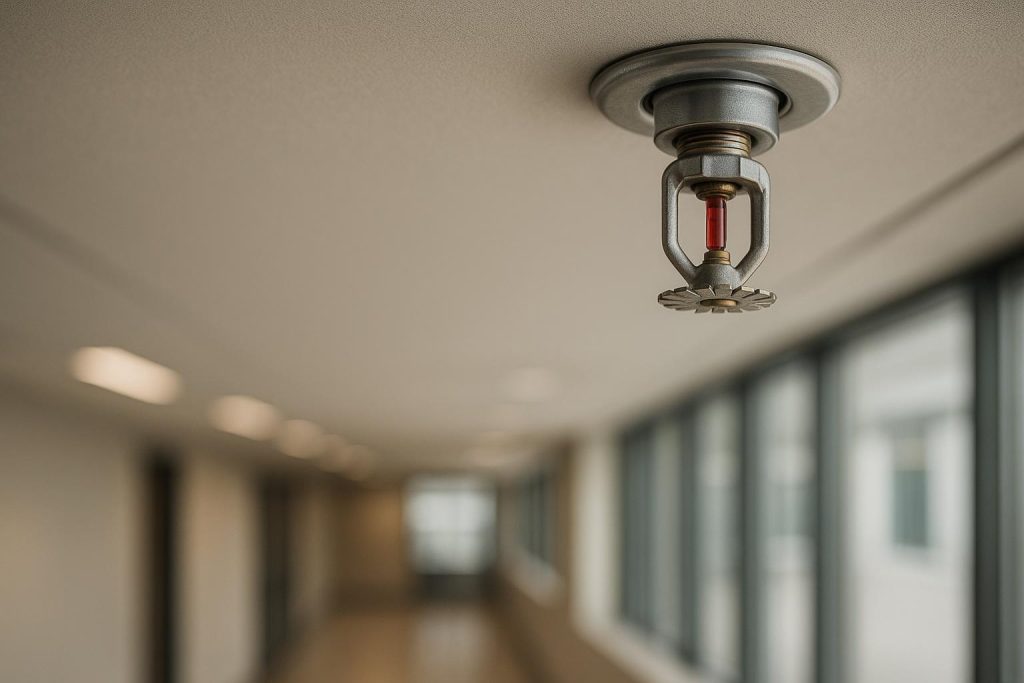
Understanding Sprinkler System Testing Requirements for Fire Code Compliance
Sprinkler systems serve a vital role within any fire protection plan, providing an automatic response to potential fire threats. Although these systems are designed to function reliably around the clock, consistent testing is the only way to ensure that each component remains in prime operating condition. Most local fire codes, guided by national standards like NFPA 25, menu specific testing and inspection frequencies. In this guide, we’ll dive into how often sprinkler systems should be tested, why it matters, and what property owners or facility managers should expect from the process.
Why Regular Testing is Essential for Safety and Compliance
Sprinkler systems are part of a facility’s broader life safety systems, working in tandem with other fire alarms and suppression devices. These systems must remain code-compliant not just to meet legal requirements, but also to protect lives and property. Regular testing helps you:
- Ensure Operational Readiness: Sprinkler components such as valves, piping, sprinkler heads, and alarms can degrade over time. Routine inspections will identify worn-out parts and ensure they are replaced promptly.
- Maintain Insurance Requirements: Many insurance providers require documentation of sprinkler inspections. Failing to maintain records can lead to increased premiums or potential coverage issues if an incident occurs.
- Comply with Local Fire Codes: Municipal and provincial regulations often demand periodic testing to verify systems remain reliable. Non-compliance can result in fines or forced closures until corrective measures are taken.
- Protect Lives and Property: Ultimately, the purpose of any fire protection services is to safeguard the people inside the building and prevent costly damage to the structure and its contents.
How Often Are Sprinkler Systems Tested?
Testing frequencies can vary depending on local fire codes, system type, and occupancy requirements. However, these general guidelines from recognized standards such as NFPA 25 offer a solid overview:
- Monthly or Quarterly Visual Inspections: Visual checks of control valves, gauges, and other easily accessible components should be done monthly or quarterly. These inspections are designed to spot obvious leaks, corrosion, or tampering.
- Annual Testing: A full operational test is typically conducted once a year, during which valves are opened to confirm water flow and alarms are activated to ensure proper signaling. Sprinkler heads may also be tested for signs of blockage or damage.
- Five-Year Internal Inspections: Every five years, sprinkler system pipes often require an internal evaluation to check for signs of corrosion, scale, or blockages. This helps guarantee water can travel without obstruction.
- Additional Tests: Some local authorities or unique occupancy types (such as high-hazard environments) could require more frequent checks. Further, if your property has made significant changes (like major renovations or usage modifications), extra testing may be necessary to maintain full compliance.
Staying aligned with an established testing schedule is one of the most reliable ways to remain prepared for fire emergencies. It is also a critical activity in effective system inspections and maintenance, ensuring you prevent unnecessary failures.
Involving Certified Technicians in System Maintenance
While property managers can handle quick visual checks, the annual performance testing of a sprinkler system is best handled by certified technicians. These professionals bring the following benefits:
- Thorough Knowledge of Codes: Certified technicians are trained to interpret the latest local and national regulations, ensuring your sprinkler system remains code-compliant.
- Accurate Documentation: Proper record-keeping is a critical part of any life safety system maintenance program. Technicians maintain clear inspection logs, which can be invaluable if any questions arise or if you face an insurance audit.
- Timely Repairs: If problems are identified, qualified individuals can provide prompt solutions, including valve replacements, gauge recalibration, or fixing pipe corrosion.
- Safety and Peace of Mind: By relying on certified professionals, you reduce the chance of oversight or error, helping ensure your occupants remain safe in the event of an emergency.
When you partner with a reputable fire protection provider, you can request additional services that might complement your sprinkler system testing. These could include inspections of fire alarm and suppression systems or emergency fire services to bolster overall security.
What Happens During a Typical Inspection?
A comprehensive sprinkler system inspection involves multiple steps to confirm every component is functioning correctly. Although the exact process may vary depending on the building type and the inspector’s guidelines, a typical checklist includes:
- Valve and Device Checks: The inspector confirms all control valves are in the proper position and tests pressure sensors for accuracy.
- Flow Testing: By opening test valves or activating wet and dry pipe systems under controlled conditions, inspectors verify that water pressure meets the required range. This process also checks alarm signals are triggered when water flow occurs.
- Sprinkler Head Condition: The inspector examines sprinkler heads for dust, paint, or physical obstructions that could hinder proper discharge. Damaged or corroded heads are flagged for replacement.
- Piping Integrity: Exposed pipes are visually checked for signs of corrosion, leaks, or mechanical damage. If the system is due for an internal pipe inspection, specialized techniques like video scopes or pipe segment removal might be used to look for blockages.
- Alarm Signal Confirmation: Technicians confirm whether the water flow alarm communicates effectively with your fire alarm system, monitoring station, or other supervisory services.
These tests work together to ensure optimal performance in the event of a fire. The result is an in-depth report outlining any corrections needed to stay compliant with local codes.
Common Questions About Fire Sprinkler Testing
- Does Testing Disrupt Daily Operations? In many cases, testing can be scheduled during off-hours or in segments to limit downtime. Property managers often work with inspectors to plan ahead, so business operations remain as smooth as possible.
- Will Sprinkler Testing Damage Property? Modern systems typically involve a controlled test, and water releases are kept moderate. Certified technicians know how to manage or reduce potential mess, preventing major disruptions within the facility.
- What If My Building Lacks Up-to-Date Drawings? For older structures, the lack of current building plans can complicate inspections. However, a professional fire protection services provider can often update and produce accurate drawings as part of their service package.
- Are Residential Systems Tested the Same Way? While residential sprinkler systems follow similar principles, their testing requirements may differ slightly depending on the size of the residence and local codes. Always check with a qualified specialist to confirm specifics.
Integrating Fire Sprinklers With Other Life Safety Systems
Sprinklers rarely work alone. They form one cornerstone of your total fire protection approach. Coordinating them with fire alarms, fire suppression systems, and emergency lighting ensures comprehensive coverage. For instance, if sprinklers activate due to high heat or flames, the fire alarm and suppression systems should also initiate to alert occupants and extinguish the threat quickly.
Making sure these systems communicate effectively often requires periodic assessments of your fire alarm and suppression systems, alongside the sprinkler inspection. When all components speak to each other and react in unison, the entire process of containing a fire becomes infinitely more efficient.
Beyond Testing: Ongoing Maintenance and Support
Testing your sprinkler system is only part of a balanced approach to life safety. Once testing is done, addressing any recommended repairs or part replacements should be a priority. Failures discovered now can mean bigger problems later if not fixed promptly. Routine maintenance also minimizes the likelihood of false alarms, unwanted leaks, or insufficient water pressure.
If you’re searching for a resource on how to keep your system well-maintained, consider working with a service provider that offers year-round or seasonal maintenance plans. In addition, look for emergency fire services options that guarantee a rapid response if an unforeseen issue arises with your sprinklers or other fire safety systems.
Staying Proactive and Prepared
Staying proactive with sprinkler system testing is a critical element of maintaining code compliance and providing a secure environment for residents, staff, or visitors. When you approach fire safety with a plan, you help prevent costly damage, safeguard occupants, and enhance your property’s reputation for safety. Whether you manage a small commercial office, a large industrial facility, or a multi-unit residential complex, the same principle applies: consistent testing is key.
If you need guidance from certified technicians or want to learn more about keeping sprinklers in optimal condition, a dependable provider can help you build a comprehensive strategy. For more information about fire sprinklers, you can explore additional resources on Fire Sprinklers. If you have specific concerns or want to schedule your next inspection, consider reaching out through our Contact page. By regularly evaluating and maintaining your sprinkler systems, you are taking a crucial step toward keeping people and property safe for years to come.
