
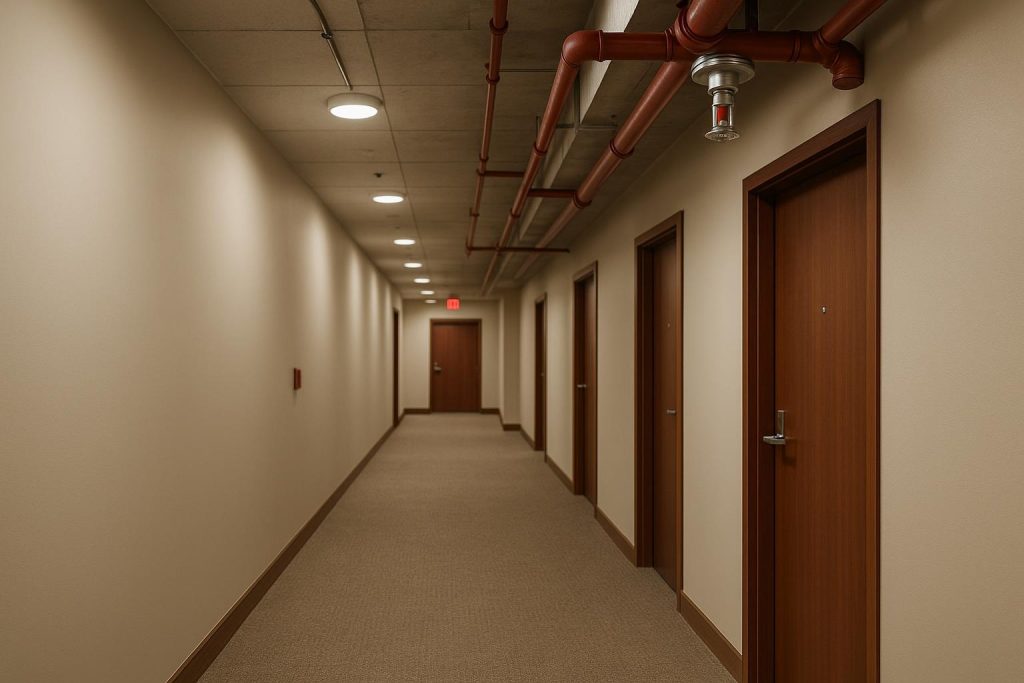
Ensuring Compliance: Key Code Requirements for Fire Sprinkler Systems
Fire sprinkler systems play an essential role in safeguarding lives, property, and operational continuity, making them a cornerstone of modern fire protection services. From warehouses and industrial facilities to multi-residential and commercial buildings, sprinkler systems are critical in mitigating the spread of fire and providing occupants enough time to evacuate safely. This extended FAQ delves into core code requirements, the importance of professional design and compliance, and how to ensure these life safety systems function effectively when they’re needed most.
1. Why Fire Sprinkler Codes Matter
Fire sprinkler system requirements are governed by national, provincial, and local codes. These guidelines ensure your facility meets stringent safety standards designed to protect the public. Non-compliance can lead to not only legal consequences, but also heightened risks for occupants. When your sprinkler system meets the necessary codes, it helps:
- Reduce property damage: Sprinklers activate quickly to contain or extinguish a fire in its early stages.
- Protect building occupants: Early suppression or control prevents the rapid spread of flames, allowing more time to exit safely.
- Minimize business interruption: By limiting fire damage, you can often avoid extended downtime and maintain operations.
- Simplify insurance claims: Insurance companies often look favorably on code-compliant and well-maintained systems.
Given these benefits, ensuring your sprinkler system follows guidelines and is installed by certified technicians is crucial to long-term safety and peace of mind.
2. Identifying Which Buildings Require Sprinklers
Not all facilities carry the same risks, so building codes typically categorize structures based on the level of fire hazard they present. High-occupancy facilities—like large commercial complexes, multi-residential buildings, and industrial sites with flammable materials—are more likely to be required, by law, to install sprinkler systems. Here are some factors that may influence whether a building must have a fire sprinkler system:
- Building use or occupancy classification
- Square footage and building height
- Presence of hazardous or flammable materials
- Local rulings from the Authority Having Jurisdiction (AHJ)
- Any unique structural features that elevate the fire risk
Always verify with local fire marshals or building permit offices to determine your building’s specific requirements. Additionally, it is wise to consult with professional fire protection services to see if a fire sprinkler system is recommended, even in scenarios where it might not be legally mandated.
3. Installation Guidelines and Materials
Fire sprinkler systems must be designed by industry professionals to guarantee optimal coverage. In many jurisdictions, sprinklers must comply with guidelines set by recognized organizations, including national committees and local building authorities. In Canada, compliance with national standards remains essential, and each province may have codes that build upon or adapt these national guidelines.
Some important considerations include:
- Approved components: All parts of the sprinkler system, including pipes, fittings, and sprinkler heads, should be approved for fire protection applications.
- Corrosion resistance: Certain environments, such as industrial plants or areas with high humidity, may need specially coated materials to reduce corrosion over the system’s lifetime.
- Design density: The sprinkler system must be designed to provide adequate water flow and pressure to match the fire risk within the protected area.
- Sprinkler head spacing: Strategic calculations are used to ensure sprinklers deliver water coverage that meets code specifications and properly saturates the hazard area.
Because system design depends on building layout, contents, and occupancy type, professional engineering oversight is not just recommended but often required by code. Engaging a team specialized in fire protection services ensures your system is code-compliant and maximizes occupant safety.
4. Water Supply and Pressure Requirements
A common oversight is assuming any water supply is sufficient for a fire sprinkler system. In practice, fire sprinkler systems must have enough available water at an adequate pressure to effectively control fire growth. Key points to address:
- Flow testing: Local fire authorities often require periodic flow tests to confirm the available water supply from municipal lines.
- Fire pumps: If your facility lacks sufficient water pressure, an automatic fire pump may be needed to boost system performance.
- Backflow prevention: Many municipalities require backflow prevention devices to protect public water systems from contamination, which can also impact pressure and system design.
Since water supply issues can severely reduce a sprinkler system’s effectiveness, close collaboration with a fire protection firm will ensure your system meets all relevant pressure and flow criteria—especially important in high-rise buildings or facilities with variable water pressure.
5. Code-Required Inspections and Maintenance
Fire sprinkler codes emphasize not just installation but also ongoing system inspections and maintenance. Regular checks by certified technicians are necessary to confirm that valves, sprinkler heads, piping, and water supply connections continue performing optimally. Inspection timelines vary; however, they commonly include:
- Weekly or monthly visual checks: Confirm valves are open, gauges show correct pressure, and there are no visible leaks.
- Quarterly inspections: Examine control valves and alarm devices, ensuring they are free of corrosion or obstructions.
- Annual full system inspection: A deeper look at sprinklers, valves, piping, fire pumps, and alarm interconnections to verify the entire setup remains code-compliant.
- 5-year inspections: Inspect internal pipe conditions to identify any friction or buildup that could impede water flow.
These regular maintenance activities are more than just procedural; they are required by various codes and enforced by local authorities. Neglecting proper inspections and maintenance can compromise the system’s performance and result in costly non-compliance penalties. If you have a facility in need of ongoing maintenance, consider reputable fire protection services that offer full-service contracts, ensuring timely inspections and any necessary repairs.
6. Coordinating with Fire Alarm and Suppression Systems
Fire sprinkler systems often work alongside other life safety systems, such as fire alarms and specialty suppression systems. When sprinkler heads activate, the connected fire alarm system typically detects changes in water flow and triggers occupant notifications. This interconnection enhances safety by ensuring early evacuation and alerting emergency services. In buildings containing specialized hazards—such as commercial kitchens or computer server rooms—clean agent or chemical-based fire suppression systems may also be installed to supplement or replace sprinkler coverage.
Professionals who specialize in fire alarm and suppression systems understand the importance of integrating multiple systems seamlessly so that each component works optimally and in compliance with regulations. Properly interconnected systems increase the likelihood of a controlled fire situation and prevent confusion when an alarm sounds.
7. Retrofits and Upgrades
Many property owners find themselves operating in older facilities without modern fire sprinkler systems. While local code may not demand an immediate retrofit unless substantial renovations occur, it is best practice to begin planning upgrades whenever possible. Retrofitting can include adding sprinklers to an unprotected area, enhancing water supply with upgraded pumps, or installing modern alarm interconnections. Although these measures necessitate an investment, they typically increase a building’s value, reduce insurance premiums, and better protect occupants.
Diligent planning can mitigate potential downtime during upgrades. Working with certified technicians who understand both structural and code-related challenges ensures a smooth process with minimal business disruption. Plus, meeting or exceeding current code standards almost always reduces long-term risks and fosters a safer environment.
8. Understanding the Role of Certified Technicians
Proper design, installation, inspection, and maintenance of your fire sprinkler system should only be undertaken by qualified, certified technicians. When you rely on skilled professionals, you gain:
- Expert insight: Technicians who have undergone rigorous training know how to design systems tailored to your unique occupancy type, ensuring code-compliant outcomes.
- Up-to-date knowledge: Fire codes can change over time, so technicians who prioritize continuing education help ensure your system always meets current requirements.
- Quality workmanship: From hazard assessment to final installation, each step is performed with care, reducing the chance of leaks or malfunctions.
- Inspection and testing proficiency: Seasoned professionals can quickly pinpoint and address potential issues before they compromise your building’s safety.
By partnering with a reliable fire protection services provider, building owners can avoid misinterpretations of fire code, unnecessary retrofits, or installation flaws that undermine the system’s effectiveness.
9. Local Authority and Permit Requirements
Most jurisdictions require permits, plan reviews, and site inspections before and after a sprinkler system is installed. Fire marshals or inspectors will evaluate whether the proposed system meets local fire and building codes. You may be asked to:
- Submit detailed plans crafted by a licensed engineer
- Obtain a construction permit or a separate fire permit
- Undergo periodic on-site visits from local inspectors
- Provide up-to-date test results for water flow and backflow devices
While these steps may appear time-consuming, they are vital to ensuring every element of your sprinkler system is designed and installed correctly. Adhering to local authority requirements also helps protect you from fines and further scrutiny should any safety incident arise.
10. How to Stay Proactive in Maintaining Code Compliance
Maintaining your system’s optimal performance isn’t a one-time endeavor. Fire codes and building regulations evolve, and the condition of your facility itself can change over time. Here are a few proactive tips to ensure ongoing code compliance:
- Schedule routine inspections: Establish a clear schedule that includes weekly, monthly, quarterly, annual, and five-year checks.
- Train staff: Make sure designated personnel within your facility have basic knowledge of valves, gauges, and how to spot irregularities.
- Conduct regular fire drills: Simulated evacuations can reveal potential weaknesses in your preparedness measures.
- Keep records up to date: Accurate logs of inspections, repairs, and any alterations to the system ensure a continuous record of compliance.
- Consult experts for changes: Whenever you remodel or change the use of a space, verify the sprinkler system still meets code requirements.
By staying proactive with these measures, you can address small issues early, rather than facing non-compliance notices—or worse, a system failure during an actual emergency.
11. Next Steps for Your Fire Sprinkler Needs
Ensuring your sprinkler system meets essential code requirements is key to protecting lives and maintaining affordable, manageable fire protection. For more specialized guidance on designing or upgrading your sprinklers, or to schedule system inspections and maintenance, consider reaching out to a professional fire safety partner who understands both local and national regulations.
If your facility is located in Edmonton or surrounding areas, you can explore a range of Fire Sprinklers solutions to learn how these systems work in tandem with other life safety services. From initial installation to annual inspections, investing in code-compliant sprinklers is one of the most reliable ways to ensure occupant safety and preserve infrastructure. By working with certified technicians and trusted fire protection teams, you stay in compliance while safeguarding what matters most—your people, your property, and your peace of mind.
