
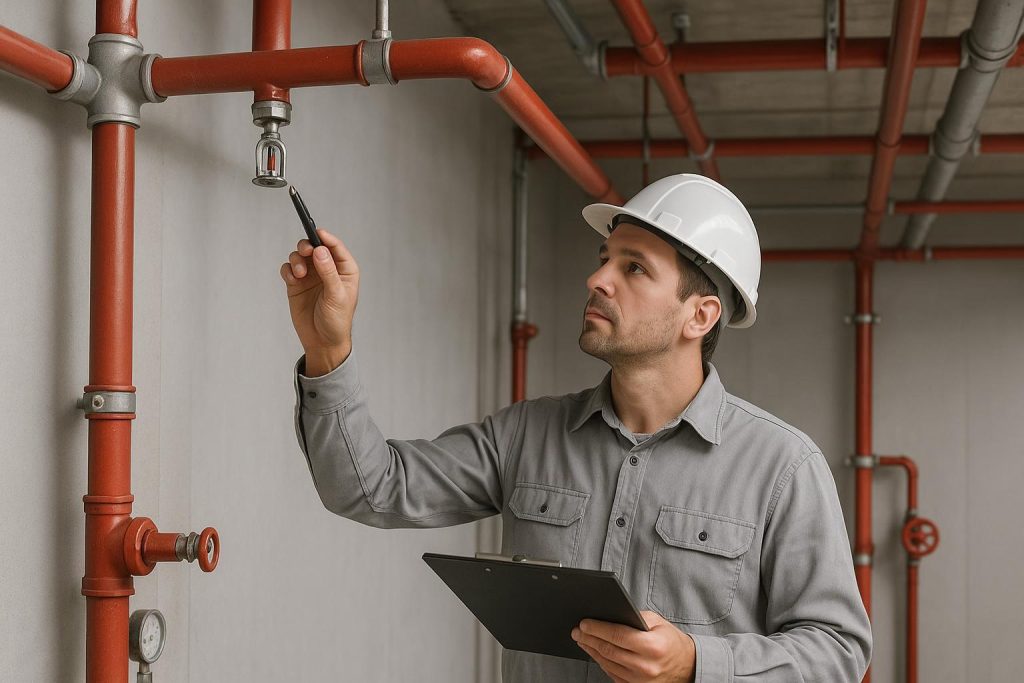
Understanding Regulations for Pipe Pressure Testing in Fire Sprinkler Systems
Pipe pressure testing plays a critical role in ensuring your fire sprinkler system remains responsive and dependable throughout its service life. Whether you oversee a commercial property, manage a warehouse, or own a multi-residential complex, proper testing procedures help confirm that the integrity of your sprinkler system can withstand real-world fire emergencies. In most jurisdictions, including Alberta, satisfying local codes and standards is not optional: it’s essential to staying compliant and safeguarding both people and property.
Why Pressure Testing Matters
Fire sprinkler systems are a cornerstone of modern life safety systems. They’re designed to control or extinguish a fire before it grows out of hand, buying time for first responders and occupants. Pipe pressure testing serves as a confirmation that:
- The system is free from excessive leakage: Tiny leaks can diminish the water flow your sprinklers need, potentially jeopardizing their effectiveness.
- Your system components are secure: Everything from fittings to valves must be fully operational to deliver water pressure that meets design requirements.
- The entire network is code-compliant: Testing confirms that the sprinkler system meets or exceeds relevant code standards, including National Fire Protection Association (NFPA) guidelines, and regional building codes.
All of these points speak to the broader goal of protecting lives and property, aligning perfectly with any organization’s duty to maintain dependable life safety systems. By proactively administering pressure tests, you reduce the risks associated with system failures and help ensure emergency fire services aren’t hindered by an underperforming sprinkler network.
Relevant Codes and Standards
When it comes to fire sprinkler systems, the most commonly recognized standards come from the NFPA, particularly NFPA 13 (Standard for the Installation of Sprinkler Systems) and NFPA 25 (Standard for the Inspection, Testing, and Maintenance of Water-Based Fire Protection Systems). These documents outline comprehensive guidelines for installing, inspecting, and maintaining fire sprinklers across North America.
In Alberta and many other provinces or states, local authorities often adopt or reference NFPA 13 and NFPA 25, as well as provincial building codes. This means your system’s design, installation method, and ongoing testing procedures should all adhere to:
- NFPA 13: Lays out the design and installation requirements for new fire sprinkler systems.
- NFPA 25: Provides instructions for ongoing inspections, testing, and required maintenance of existing water-based fire protection services.
- Local Building Codes: May introduce additional mandates, including minimum test pressures and the duration of tests, based on region-specific requirements.
The Authority Having Jurisdiction (AHJ) interprets, enforces, and sometimes amends these guidelines to suit regional conditions. In areas such as Edmonton, Sherwood Park, St. Albert, Spruce Grove, Fort Saskatchewan, and Leduc, local fire departments and municipal building officials serve as the AHJ. Staying current with their policies ensures your system is code-compliant and recognized as safe under local regulations.
Types of Pipe Pressure Tests
While there can be variations across different jurisdictions, the most common pressure tests include:
- Hydrostatic Test: A hydrostatic test introduces water into the piping at a pressure typically higher than the system’s normal operating pressure (often at least 200 psi or 50 psi above working pressure, whichever is greater). The system is observed for a specified duration—often two hours—to confirm that no leaks or pressure drops occur beyond permissible limits.
- Air Pressure Test: In some instances, pipes may be tested with air, especially if water-based testing isn’t feasible due to environmental conditions or specific design factors. Pressure changes are measured to ensure an airtight seal, though these tests often come with more stringent leak standards, given air’s compressibility.
- Acceptance Test: Conducted on newly installed fire sprinkler systems, acceptance tests verify that all elements—from pipes and fittings to valves and sprinkler heads—perform as designed. This is typically witnessed by both certified technicians and a local fire marshal or AHJ representative.
It’s important to note that each test type typically requires different equipment and procedures, so working with knowledgeable professionals is key. Installing or testing a fire sprinkler system without a thorough understanding of the relevant standards can lead to potential non-compliance and increase your liability.
The Pressure Testing Process Step by Step
Step 1: Preparation and Inspection
Before any pressure test begins, the sprinkler system must be carefully inspected for visible signs of damage or improper installation. Certified technicians look for inadequate fittings, pipe corrosion, or missing components. Conducting a meticulous pre-test inspection helps catch and correct issues before the pressurized phase.
Step 2: Establishing a Safe Test Environment
Proper signage and safeguards should be in place to alert personnel about the ongoing test. If water-based testing is used, drains, valves, and pressure gauges must be set up correctly. In air-based tests, verifying that the system connot sustain pressurization is crucial to avoid potential hazards.
Step 3: Applying and Sustaining Test Pressure
Depending on the local codes and NFPA standards applicable, the system is generally pressurized to at least 200 psi (or, in some cases, 50 psi above the normal operating pressure). Then the pressure is maintained for the required duration—often two hours for hydrostatic tests, although local AHJs may require longer periods. During this time, readings from gauges or digital sensors are carefully monitored.
Step 4: Observation and Documentation
The testing team documents the start time, end time, initial pressure, final pressure, and any changes observed. This record helps confirm whether the system has stayed within the permissible pressure drop threshold, typically allowed to be no more than a few psi. Any greater drop could point to a leak or compromised fitting. Thorough documentation is often mandated by NFPA guidelines and local building codes.
Step 5: Corrective Actions and Approval
If the system passes the test, a final report is filed with the building owner and the local AHJ. If issues arise, additional work—like repairing leaks or replacing faulty components—must occur before retesting. Successful completion indicates you’re compliant with the relevant standards and can proceed with normal fire protection services.
Common Compliance Considerations
Insisting on rigorous pressure testing protocols is critical for long-term reliability. Below are common considerations property owners or facility managers should keep in mind:
- Retesting Intervals: While newly installed sprinkler systems require acceptance testing, periodic inspection, testing, and maintenance sessions are equally vital for older systems. NFPA 25 outlines recommended schedules for these tests. However, local requirements may vary, so always check with your AHJ.
- Documentation: Accurate record-keeping not only satisfies inspectors but also helps facility managers track ongoing repairs and trends. When everything is well-documented, you reduce liability and have a ready reference for future expansions or modifications.
- Professional Guidance: Hiring certified technicians ensures the test meets local codes and industry standards. These specialists are often authorized to certify results and highlight areas requiring further attention.
- Additional Fire Protection Measures: Pressure testing is just one element of an overall life safety plan. Consider adopting complementary strategies, such as gas detection or fire suppression services, to bolster your building’s resilience.
Regional Variations and the Role of Authorities
Every jurisdiction tailors its approach to enforcing building and fire codes. For instance, municipalities in Edmonton or Leduc may have slightly different documentation standards or test scheduling requirements compared to other regions in Alberta. Close coordination with local authorities is essential for a smooth approval process. Beyond that, your insurance provider may also have guidelines that impact your testing intervals.
When confusion arises about local code specifics, consult the AHJ directly or work with a fire protection service provider who engages regularly with municipal officials. Keeping communication lines open from the outset prevents unnecessary project delays or repeated test procedures.
Ensuring Your Fire Sprinkler System Meets Standards
Besides the physical process of conducting a pressure test, you should maintain an overarching compliance strategy. That means scheduling routine system inspections and maintenance to keep your fire sprinkler system in prime operating condition. Routine checks might note corrosion or sediment buildup, test water flow, or confirm that spare sprinkler heads are properly stored. Staying proactive ensures you’re prepared for your next mandatory pressure test while extending the lifespan of the entire system.
Your sprinkler system is only as reliable as the processes you use to verify its performance. If you’re unsure about your current compliance level, seeking guidance from organizations that focus on fire sprinklers can help place you on the right path. This collaborative approach aligns with the broader goal of reducing risk to life and property.
Partnering with Experts
Due to the high stakes involved, handling fire sprinkler code requirements independently can be daunting. When you partner with certified technicians well-versed in NFPA 13, NFPA 25, and local building codes, you’re not just paying for a one-time test—you’re investing in peace of mind. Skilled teams can guide you through initial system design, acceptance testing, routine inspections, emergency fire services, and any adjustments needed to remain thoroughly code-compliant.
Moreover, experts can tailor testing procedures to your building’s unique risks and occupancy type. From large industrial complexes to smaller commercial facilities, professional guidance helps ensure no detail is overlooked. Remember that timely compliance is about more than checking a box—it’s about maintaining a safe environment for everyone inside your property day in and day out.
Taking the Next Step
While pipe pressure testing might feel like a purely technical requirement, it’s fundamentally about protecting lives. When done consistently and correctly, it underscores your commitment to safety and regulatory compliance. Whether you manage a high-rise building, an industrial plant, or a healthcare facility, integrating pressure testing into your regular system inspections and maintenance program provides reassurance for tenants, staff, and local fire authorities alike.
To learn more about fire sprinkler system design, installation, and inspections, consider exploring our Fire Sprinklers page. You’ll find more detail on how robust sprinkler systems are designed, maintained, and updated according to the latest codes and standards. Pressure testing stands out as a key validation step—one that can’t be skipped if you want the most reliable protection.
By aligning with recognized standards like NFPA 13 and NFPA 25 and maintaining open communication with your local AHJ, you ultimately fortify the safety of your facility. Pipe pressure testing, after all, is more than a regulatory requirement; it’s an active safeguard for the people who rely on your building’s fire protection systems every day.
