
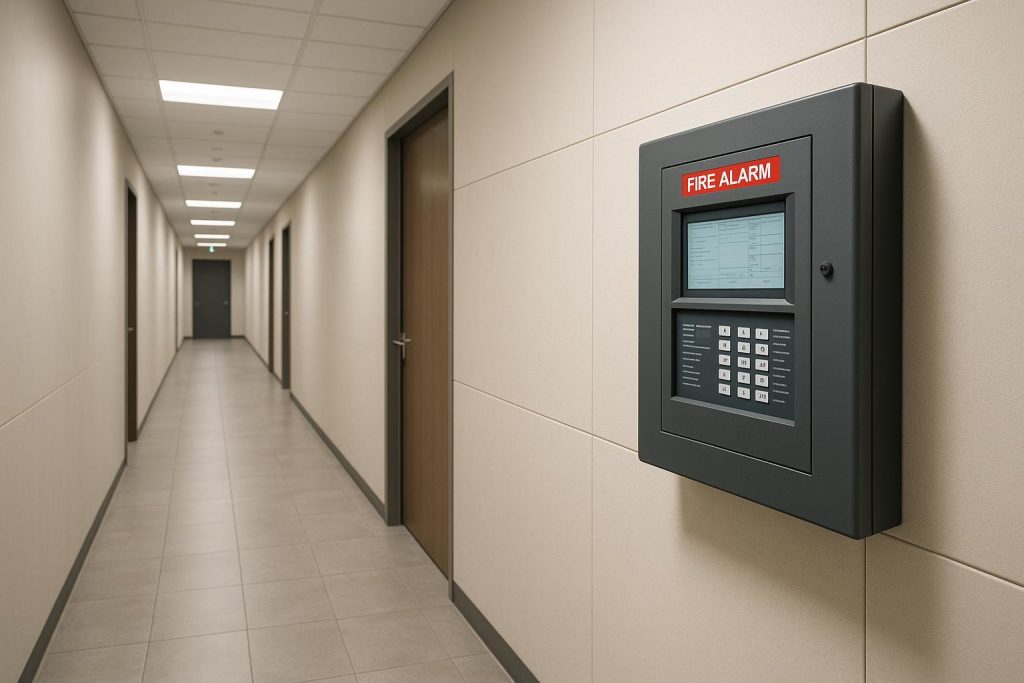
Why It Matters to Review Fire Code Updates Before a Commercial Alarm Upgrade
Keeping your commercial alarm system up to date goes beyond replacing outdated parts or enhancing system performance. A successful upgrade also means ensuring that the work you do aligns with current fire codes and life safety standards. Whether you manage a small warehouse or a large commercial complex, local building rules and recognized standards like the National Fire Code of Canada (NFCC) and NFPA 72 guide the specific requirements for an efficient, code-compliant fire alarm. Below, we delve into key points to consider when reviewing any recent fire code updates before upgrading your commercial alarm.
1. Adapting to the Latest Standards and Regulations
Fire safety authorities regularly enhance codes and regulations to reflect new insights in risk management, technology, and emergency preparedness. These changes can affect anything from the wiring methods used in alarm systems to the placement of alarm devices, the type of notification appliances, or how a system integrates with sprinklers and other fire suppression services. Regularly checking the most recent NFCC amendments and relevant National Fire Protection Association (NFPA) publications, such as NFPA 72, helps you understand new design or installation requirements. By doing so, you reduce the chances of compliance penalties and improve overall safety.
Moreover, your local Authority Having Jurisdiction (AHJ) may introduce amendments that add an extra layer of safety requirements for various facilities. For instance, in some communities, new codes mandate installation of strobe lights in restrooms, expanded coverage in stairwells, or more stringent battery backup standards. In others, your local AHJ might clarify how alarm system monitoring should be handled, especially for buildings with higher occupancy. Staying on top of these adjustments not only keeps your space in line with regulations but also shows your occupants and clients that you prioritize their well-being.
2. Specific Significance of NFPA 72 in Commercial Alarm Upgrades
NFPA 72 sets the broad framework for fire detection, notification, signaling, and emergency communications. While the guidelines are widely adopted, each jurisdiction may choose to adopt them with modifications. When upgrading your commercial alarm system, you should verify that the device models, wiring methods, and overall functionality meet the particular year and edition of NFPA 72 that has been adopted in your area.
For instance, alarm panels might now need to accommodate newer smoke detection technology capable of sending alerts faster than older devices. The spacing and location of detectors could shift based on updated code requirements, and verification processes—like tests for voice evacuation systems—can become more detailed. Staying informed about these nuanced additions makes a difference when you plan out your upgrade. If you want to take a deeper look at integrating advanced technologies into your existing alarm panel, see the related FAQ on how to integrate new smoke detection technology.
3. Local Building Codes: Don't Overlook Regional Amendments
It is vital to remember that every region or municipality might have unique amendments to provincial or national building codes. These can have a direct impact on your commercial alarm upgrade. For example, if your building is situated in Edmonton or Sherwood Park, you'll want to confirm that you are following the amendments specific to Alberta's local building regulations and the NFCC. The amendments may touch on more frequent inspections or alter requirements for system monitoring in high-rise buildings.
Before your technical team begins wiring or replacing devices, consider scheduling a review of these local codes and guidelines. The last thing you want is unnecessary rework or potential noncompliance fees if you discover after the fact that, for instance, your local AHJ demands extra strobe coverage in certain high-traffic areas. Some facility managers choose to consult directly with professionals specializing in their jurisdiction’s fire codes to ensure the entire upgrade process runs smoothly.
4. Occupancy Classifications & Facility-Specific Requirements
Commercial buildings host diverse industries, and their fire protection needs differ accordingly. Fire code updates may delve deeply into how occupancy type affects alarm system design. A new classification might call for additional detection points, different signal patterns, or more robust emergency communication systems. For instance, an assembly occupancy with higher occupant density might require a more extensive notification system than a low-occupancy storage unit.
When you upgrade, confirm that your system design aligns with your building’s current occupancy classification. If you have expanded operations or changed how spaces are used, you may need a more advanced alarm network. That might include voice notification and integration with a mass notification system, especially for universities or large public environments. You can get a better sense of whether your commercial alarm already meets these demands by checking out the FAQ about knowing when a commercial alarm system needs an upgrade.
5. Importance of Alarm Notification Appliances
Audio/visual notification appliances are an essential piece of your fire alarm system. These devices warn building occupants to evacuate or take caution during emergencies. Over time, codes have changed to address improved performance and clarity. Some modern horn strobe devices need to meet higher dB or candela requirements than older models. These updates ensure that all occupants, including those with hearing or visual impairments, receive prompt notification.
In addition, local amendments may now identify stricter placement rules for these devices, making sure they are spaced to provide consistent coverage across large rooms or winding hallway layouts. Some authorities also require low-frequency sounders for sleeping areas in certain facilities such as hotels or senior care residences. Verifying whether your planned upgrade meets these evolving requirements can significantly improve the overall effectiveness of your alarm system and raise the level of compliance within your property.
6. Coordination with Fire Sprinklers and Other Life Safety Systems
Upgrading a commercial alarm system doesn’t happen in isolation. In many locations, fire codes mandate a consistent relationship between alarms, sprinkler systems, fire suppression units, and other life safety components. For example, if your building has a sprinkler system installed, the alarm panel must receive a tamper or waterflow signal from the sprinkler riser and then generate an appropriate alarm.
By checking current regulations, you make certain that the updated alarm panel can receive and process signals from your fire sprinklers correctly, including potential advanced features like supervisory alarms for valve closures. If you’re wondering about the best practices for syncing your alarm with fire sprinklers, explore our dedicated FAQ. This careful collaboration between devices ensures that water is activated promptly if a fire occurs and that occupants are simultaneously alerted to evacuate.
7. Battery Backup and Power Supply Standards
Alarm systems rely on dependable power supplies for continuous operation. Laws and technical standards like NFPA 72 typically outline how long a system should remain operational without primary power. Each new update may shift or refine these requirements. For example, you might now be required to prove that your upgraded alarm system can function for at least 24 hours on standby, followed by a brief yet effective alarm period, without external power.
The battery backup could also need to support more advanced, power-hungry devices such as additional strobes or integrated monitoring technology. Taking the time to review updated power supply and battery backup requirements helps keep your system functioning even under adverse conditions, thereby improving overall life safety. This step is especially vital in large facilities and high-occupancy buildings that may need more robust backup solutions to maintain communication during extended outages.
8. Manufacturer Recommendations and Compatibility
In addition to adhering to official codes, you should keep track of your alarm equipment manufacturer’s updates or advisories. Device compatibility can unexpectedly become an issue when installing new smoke detectors or alarm panels. For instance, older wiring or proprietary protocols might not be compatible with modern device software or hardware. Part of your review process should include confirming that your planned upgrade components work properly together under newer code editions. This prevents scenarios like trouble signals from mismatched devices or partial system failures that compromise occupant safety and code-compliance.
Additionally, manufacturer documentation often addresses the code requirements that the equipment is designed to meet. If your plans involve advanced, networked alarm solutions or new fire alarm system monitoring services, see if the manufacturer’s guidelines match the local AHJ’s specifications. That way, you avoid rework down the road and can deliver a system that both your insurance provider and your AHJ are more likely to approve.
9. Verifying Monitoring and Communication Requirements
Many businesses choose professional monitoring for around-the-clock oversight of fire systems. Depending on code updates, you may find that high-risk facilities—like large industrial warehouses, childcare centers, or assisted-living homes—must have a monitored alarm. Some amendments spelled out by your AHJ could even specify the type of communication method you must use. While phone lines were once standard, digital or cellular-based connectivity methods have grown more prevalent. Certain jurisdictions might require the alarm panel to have redundant pathways, guaranteeing an alert goes out even if one line of communication fails.
Before signing a monitoring contract or selecting communication hardware, verify that your new system matches the updated local regulations. Doing so ensures real-time alerts will be delivered to emergency services or your chosen monitoring center. For more details, you can check out options for Fire Alarm System Monitoring to supplement your in-building notification appliances.
10. The Role of Emergency Lighting Systems
In many modern fire codes, an integrated approach to fire safety includes alarms, sprinklers, extinguishers, and robust emergency lighting. Upgrading your alarm system might also prompt you to review emergency lighting compliance. Properly illuminated pathways help occupants find exits quickly and safely once the alarm sounds. Some codes propose that if you are refurbishing your alarm system, you must also verify your exit signs, emergency lights, and other directional markers. This ensures a comprehensive life safety setup. For more on deciding whether to tackle both projects at once, refer to our FAQ on updating your emergency lighting system.
11. Ongoing System Inspections and Maintenance
The upgrade process does not end once your new components are installed. Inspections and maintenance play a major part in confirming that you stay ahead of both emergent issues and incremental code changes. Requirements for testing intervals or recordkeeping, for example, may vary depending on local regulations. By scheduling routine system inspections and maintenance, you help ensure that your alarm remains in top working order year-round.
Regular maintenance may reveal small issues such as loose connections, outdated device software, or unusual signals from integrated notification appliances. Addressing these concerns early reduces the risk of emergencies and helps maintain the long-term reliability of the system. Many concerns can be corrected on the spot, preventing more expensive repairs or safety risks in the future.
12. Consulting Experts, Staying Compliant
Even with thorough reviews of building codes, local ordinances, and NFPA documents, understanding all the technical details can feel overwhelming. Engaging an experienced fire protection professional or a certified technician who specializes in local fire code compliance can make the process far less daunting. These experts frequently collaborate with AHJs and stay current on new requirements, ensuring your system meets both mandatory codes and best practices for occupant safety.
At Advanced Fire Protection Services, safety is more than a service — it's a mission. Whether you have questions about code updates, system design, or advanced fire alarm and suppression systems, we're here to help you make informed choices. For a deeper dive into our offerings, visit our page dedicated to Fire Alarm Systems. If you'd like to explore other related services under one roof, you can also check out Fire Sprinklers or Fire Extinguishers solutions to further strengthen your building's fire safety.
13. Strengthening Building Safety for the Future
Upgrading a commercial alarm system demands thoughtful review of all relevant fire code updates. From NFCC guidelines and NFPA 72 requirements to local building amendments, these codes exist to protect life and property. By ensuring your system supports cutting-edge detection and communication technology, provides adequate notification coverage, and integrates seamlessly with sprinklers or emergency lighting, you substantially boost your overall preparedness. And with the guidance of certified technicians, you can enhance occupant safety and remain code-compliant for years to come.
When faced with the evolving landscape of fire safety regulations, the most effective strategy is thorough preparation. Checking these updated guidelines not only helps prevent lapses in code compliance, but also shows that you're serious about the well-being of your employees, customers, and visitors. A code-compliant, well-planned commercial alarm upgrade is ultimately an investment in peace of mind for everyone who relies on your building’s safety. Should you have ongoing questions about meeting codes or selecting the best components, you can reach out to our experts or use our available online resources for further clarity. With awareness and expert help, staying prepared and safe is simpler than ever.
